



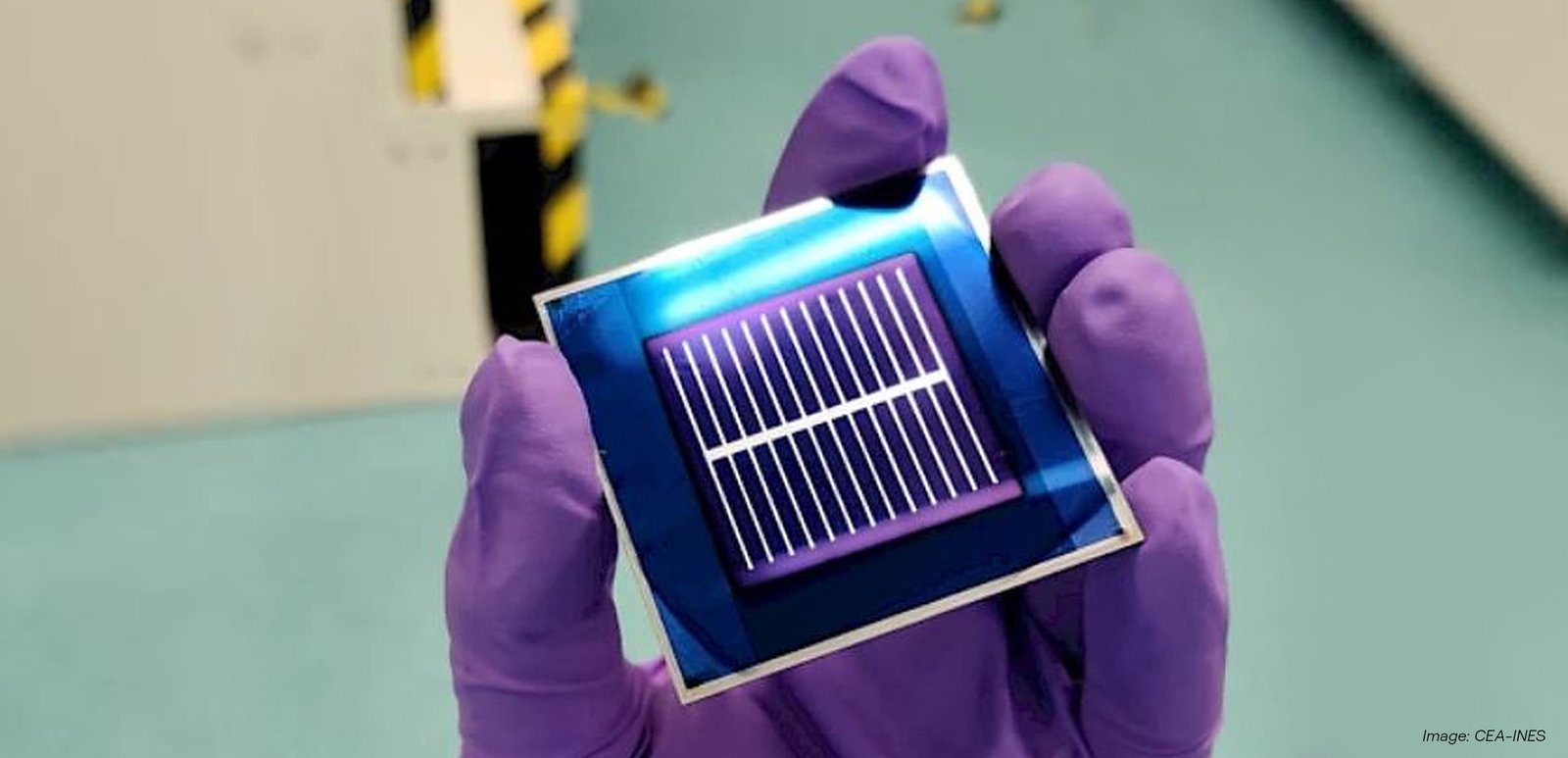
Scientists are nearing a solar breakthrough as tandem cells capture more sunlight than conventional panels and generate much higher power output. The technology combines two light-absorbing materials in stacked layers. Each layer captures a different part of the solar spectrum. This reduces the energy loss seen in standard silicon-only cells.
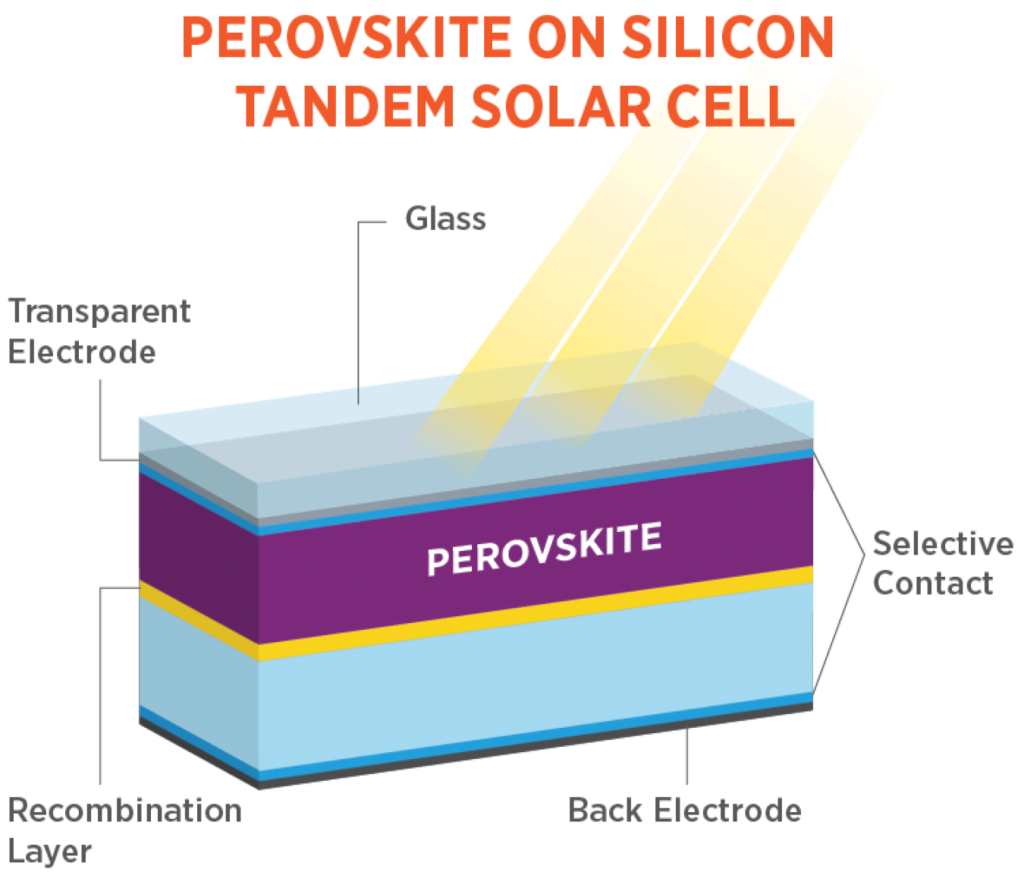
Conventional commercial silicon panels usually deliver about 21% efficiency, while crystalline silicon cells in advanced labs reach nearly 27%. By contrast, tandem perovskite-silicon structures are now crossing the 28% to 33% efficiency band.
Researchers say the gain comes from a simple design. One layer captures visible light. The second absorbs infrared photons usually lost.
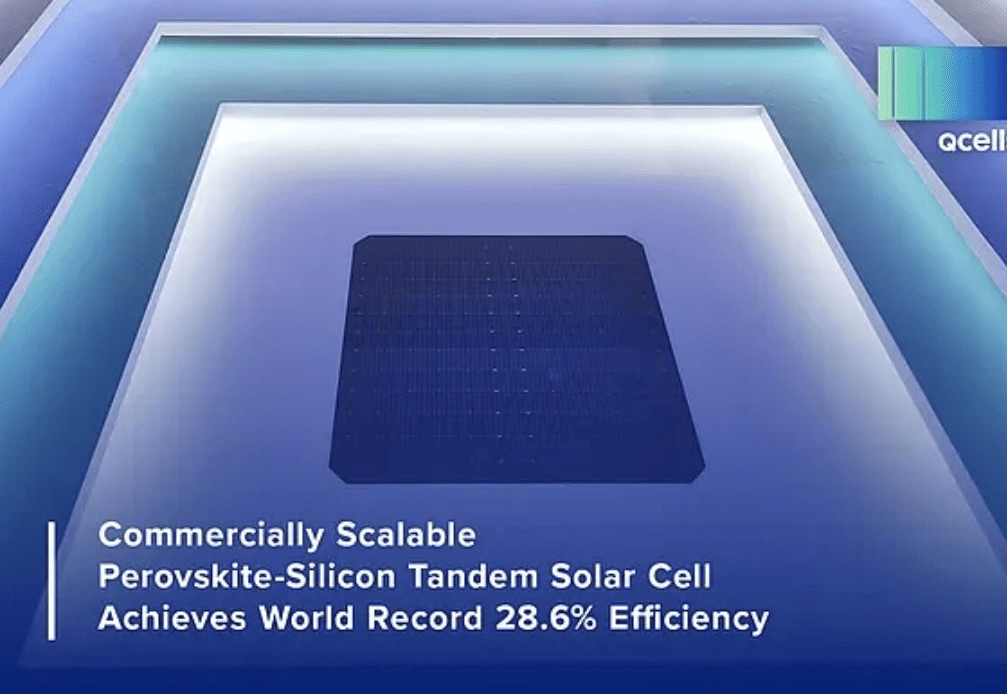
A recent peer-reviewed study reported 33.6% efficiency in flexible perovskite-silicon tandem cells. This is among the highest verified levels for lightweight devices. Another study in Nano-Micro Letters showed tandem structures reaching 26.49% efficiency. It also reported record fill-factor performance, suggesting improving commercial reliability.
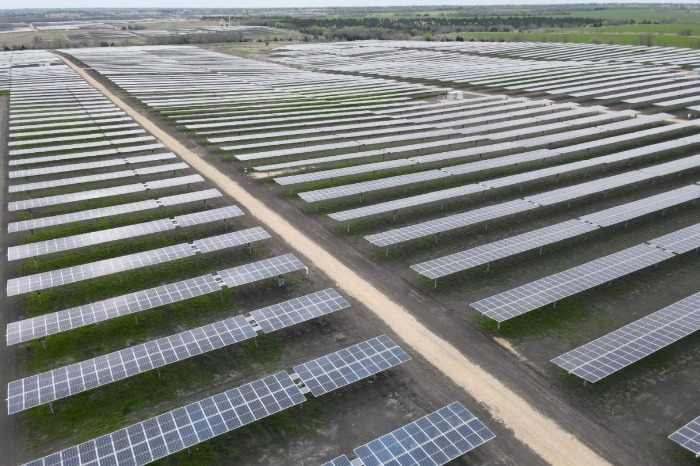
The industry sees major economic implications.
Hanwha Qcells, one of the world’s largest solar manufacturers, said higher-efficiency tandem modules could sharply cut land use, steel mounting, labor and installation costs because fewer panels would be needed for the same electricity output.
“If you have 100 solar panels in the field, but you can get the same power output for only 60 or 80,” Qcells Chief Technology Officer Danielle Merfeld told Reuters, “you are using less rails and less labor.”
That matters as utility-scale solar projects face rising land constraints globally.
Scientists also note that tandem architecture is not just a laboratory novelty. A March 2026 techno-economic review said perovskite-silicon tandems now offer one of the clearest paths beyond the physical efficiency ceiling of single-junction silicon modules.
However, one issue remains unresolved: durability.
While efficiency records continue to climb, tandem cells must still prove long-term field stability before full mass deployment. Manufacturers are now racing to solve that reliability challenge.
The solar industry may therefore be approaching its next leap—not by installing more panels, but by making every panel produce much more.
Reference- Reuters, Nature, Futurism, Nano-Micro Letters, SPRINGER