




Climate scientist and ecologist Thomas Crowther argues that ecosystems can recover faster than expected when restored natural feedback loops support regeneration. His new book, Nature’s Echo, explains how forests, soil systems and biodiversity regenerate once humans reduce environmental pressure.

An excerpt published by TIME highlight’s his belief that nature already contains mechanisms for recovery. According to the book, ecosystems function through “feedback loops” where one positive ecological change triggers another.
Crowther is a professor at ETH Zurich and founder of Restor, a global ecological restoration platform. He has worked extensively on reforestation and soil biodiversity research.
The argument comes at a critical time for the planet. The United Nations estimates that nearly 40% of Earth’s land is degraded, affecting food security, biodiversity and climate resilience worldwide. Meanwhile, global deforestation continues at an alarming pace despite conservation pledges.
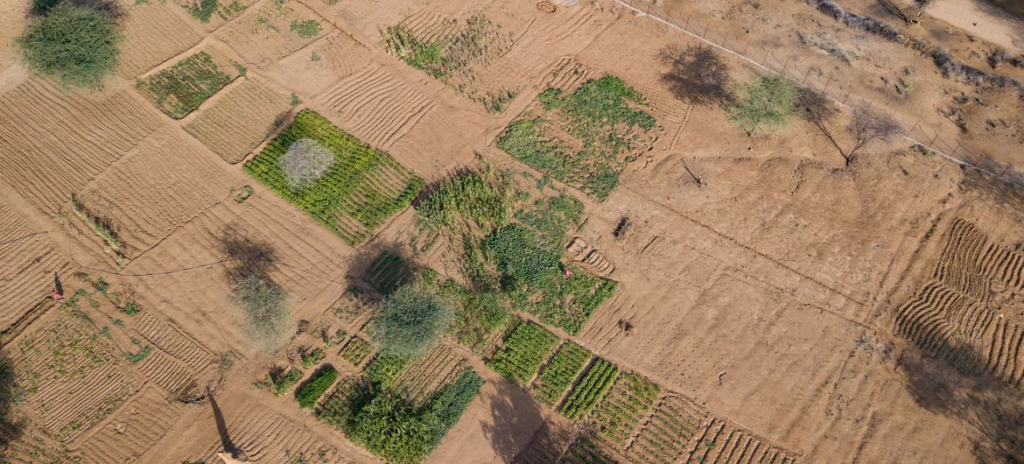
Crowther says ecological collapse is not always irreversible. In many cases, damaged systems can rebound if industrial pressure declines and native species return. He points to forests, fungi and microorganisms as central actors in restoring environmental balance.
“Nature wants to heal, and we can help,” the book states.
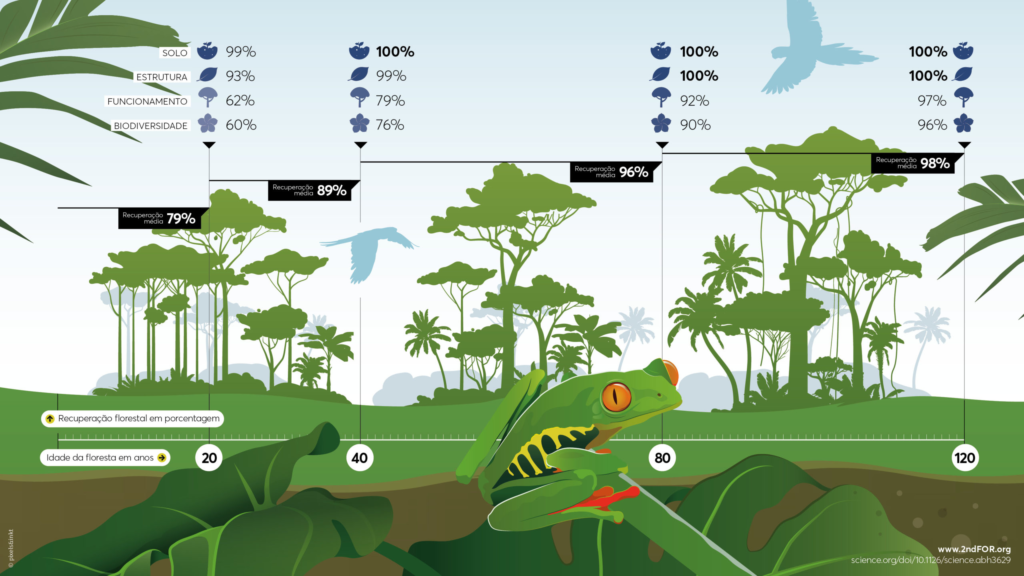
Researchers increasingly support this view. A 2021 study published in Nature found that tropical forests can regain significant biodiversity within two decades of restoration efforts. Scientists have also identified soil fungi as a major contributor to carbon storage and nutrient recycling.
Crowther warns against climate strategies focused only on carbon emissions. He argues that ecosystems function as interconnected living systems, not as isolated natural resources. Therefore, restoring biodiversity may be as important as reducing fossil fuel use.
The book also challenges the “doom narrative” around climate change. Instead of focusing entirely on collapse, Crowther emphasizes regenerative models already working across communities worldwide.
However, experts caution that restoration cannot replace emissions cuts. The Intergovernmental Panel on Climate Change says rapid decarbonization remains essential to limit global warming below 1.5 degrees Celsius.
Still, Crowther’s message offers cautious optimism. If ecosystems are allowed to recover naturally, the planet may prove more resilient than many scientists once believed.
Reference- TIME, ETH Zurich, United Nations Environment Program, Reuters