



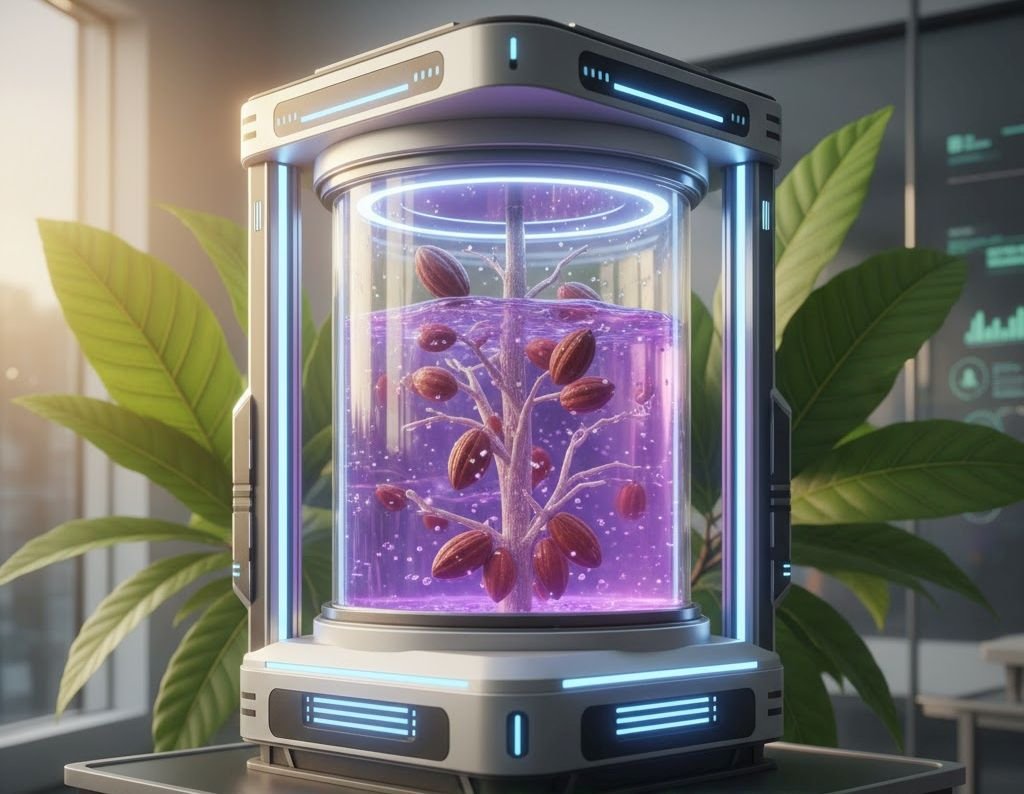
Chocolate is facing a quiet crisis. Cocoa crops are under pressure from climate change, disease and rising demand. Scientists and food companies now believe the solution may come from laboratories rather than plantations.
Global chocolate demand continues to grow. Yet cocoa production remains concentrated in a narrow equatorial belt. Around 75% of the world’s cocoa comes from Ghana and Ivory Coast, where climate stress and deforestation threaten yields.

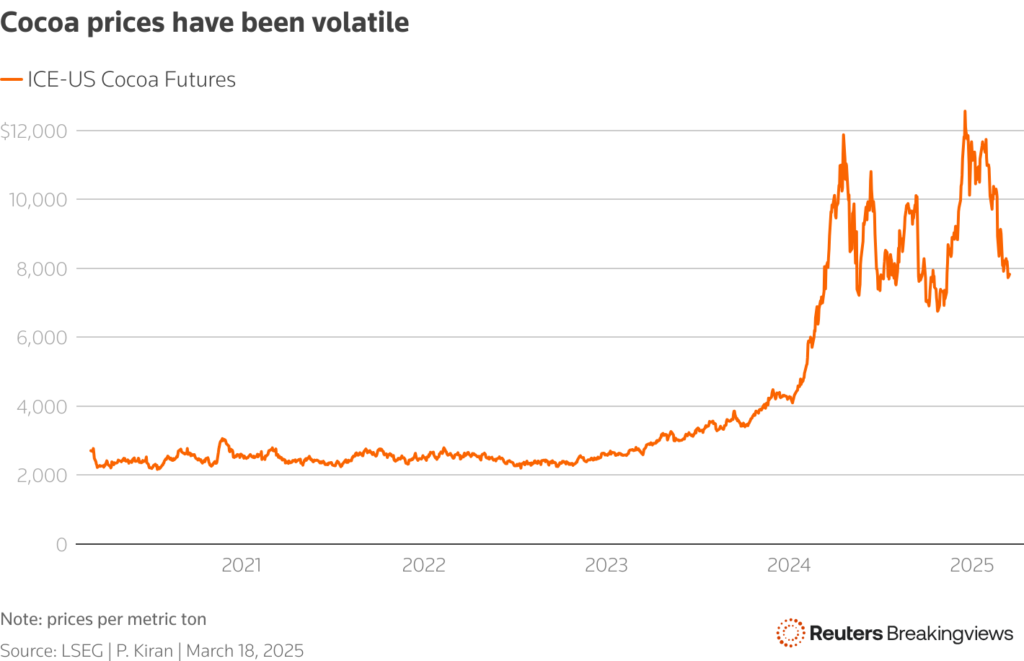
At the same time, prices have surged. Cocoa prices exceeded $12,000 per metric ton in 2024, a historic peak driven by supply shortages and weather disruptions.
Against this backdrop, a new technology is gaining attention: lab-grown cocoa.
Scientists extract cells from cocoa plants and grow them in controlled environments. The cells are placed in nutrient-rich solutions and cultivated in bioreactors. After growth and fermentation, they produce cocoa ingredients similar to conventional beans.
The concept resembles cultivated meat. Instead of growing trees on plantations, companies grow cocoa cells directly.
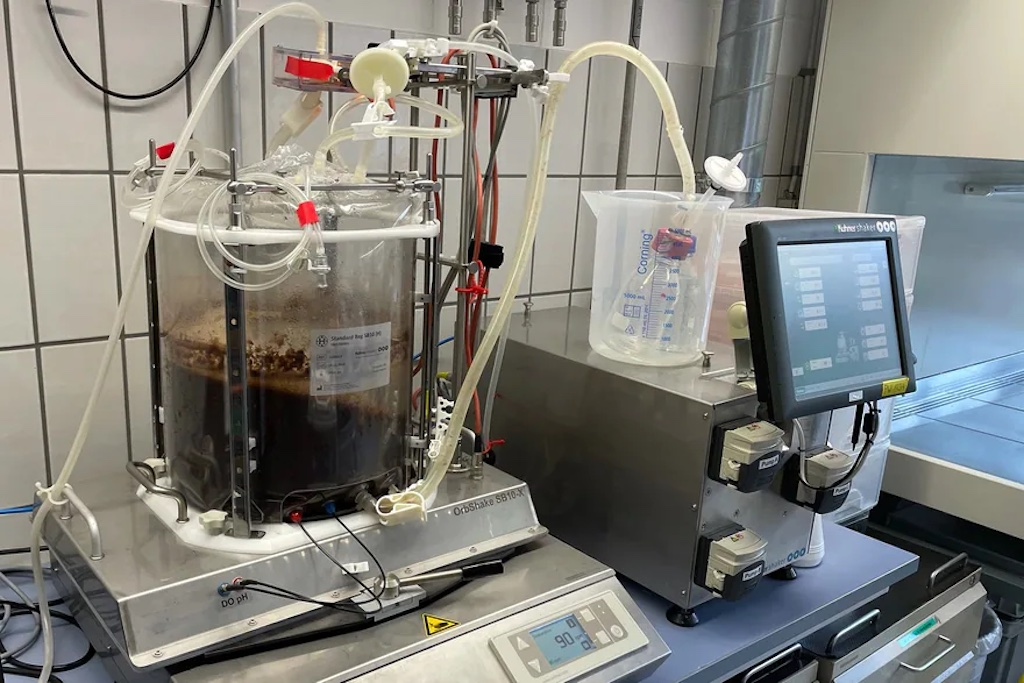
Supporters argue the technology could stabilize supply and reduce environmental damage. Cocoa farming has long been linked to deforestation and biodiversity loss in tropical forests.
Lab cultivation could avoid those impacts. Pesticide use may fall. Water consumption may also drop significantly.
However, the technology remains expensive. Industry analysts say cell-based cocoa can cost about five times more than conventional cocoa because production has not yet scaled.
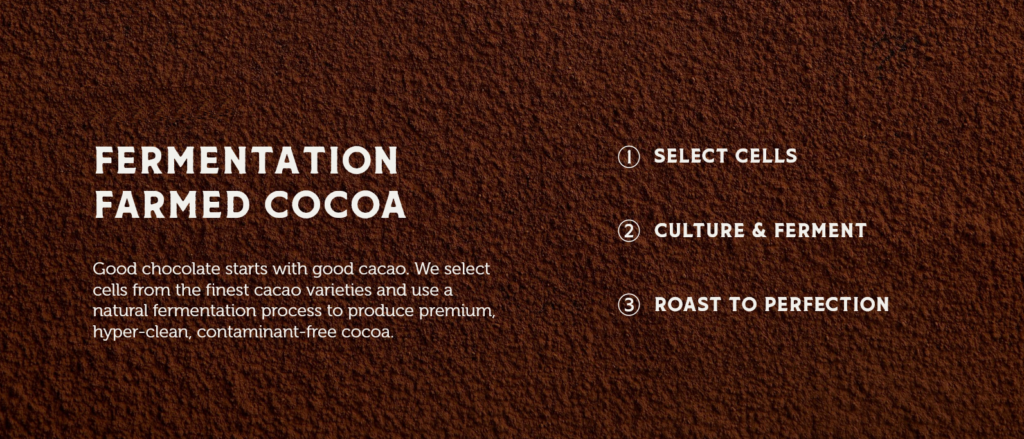
“Chocolate derived from lab-grown cocoa still costs substantially more than traditional chocolate,” analysts note, largely due to limited industrial capacity.
The economics will determine whether the technology succeeds. For now, large confectionery companies and startups are experimenting with pilot projects. Scientists are also testing fermentation methods that mimic cocoa flavors without beans.
The stakes are high. The global chocolate market is estimated at around $130 billion, making cocoa supply disruptions a major concern for the food industry. Still, experts caution against viewing lab-grown cocoa as a complete replacement. Millions of small farmers depend on cocoa cultivation. Worldwide, about 4.5 million cocoa farms support rural livelihoods.
The likely future is hybrid. Traditional farms will continue producing cocoa. Biotechnology may supplement supply when climate shocks hit.
Chocolate lovers may not notice the change. But behind the scenes, a scientific experiment is underway. If successful, the technology could reshape how the world produces one of its most beloved foods..
Reference- Futurism, Reuters, Kearney, The Guardian