



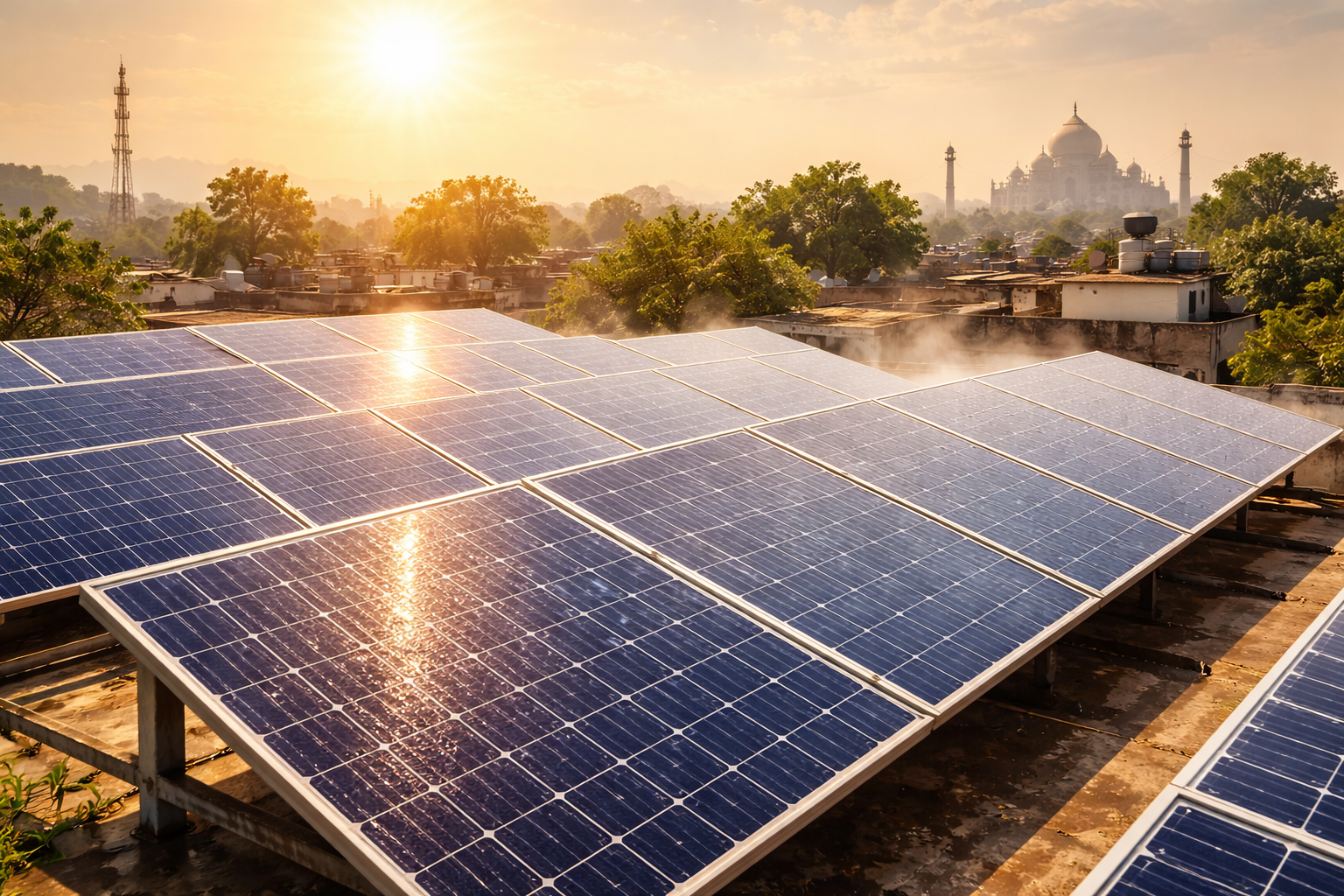
Under a blazing summer sky, solar panels seem to promise peak performance. However, science tells a more complex story. As extreme heat intensifies across India, it is reducing the very efficiency that solar systems depend on.
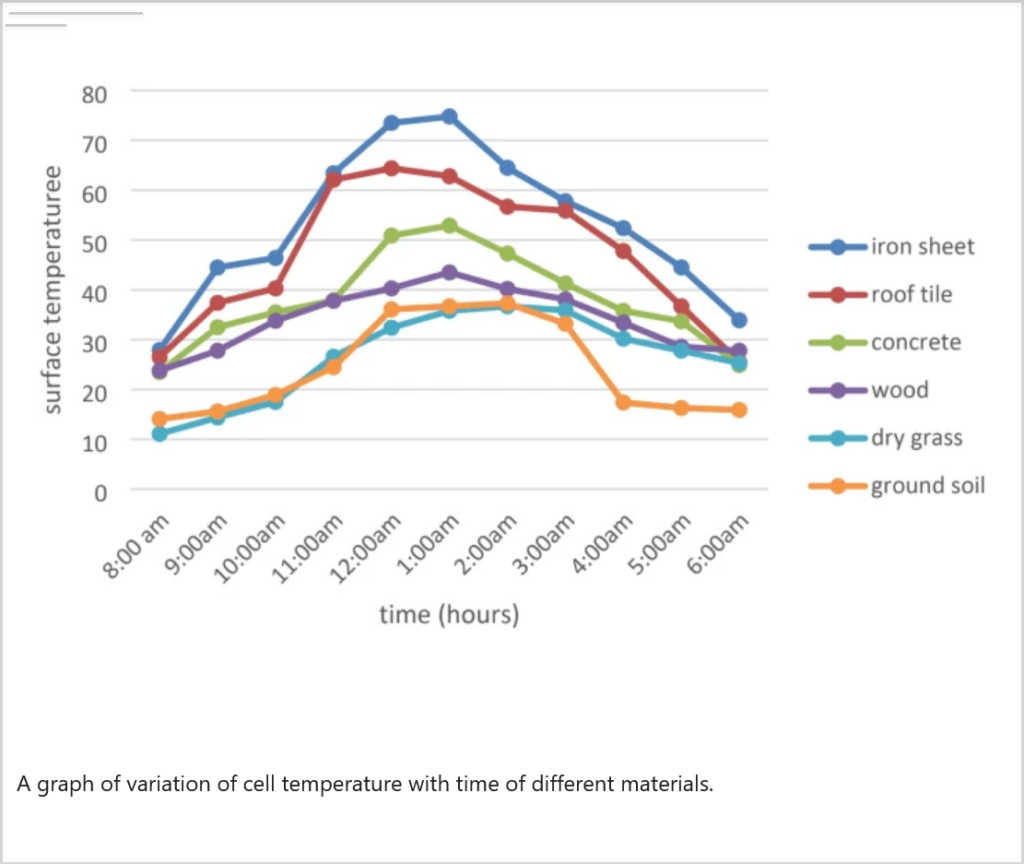
Solar panels are tested at 25°C, the industry’s standard condition. However, real-world temperatures often exceed this benchmark. On hot days, panel surfaces can reach 50–70°C, far above ambient air levels.
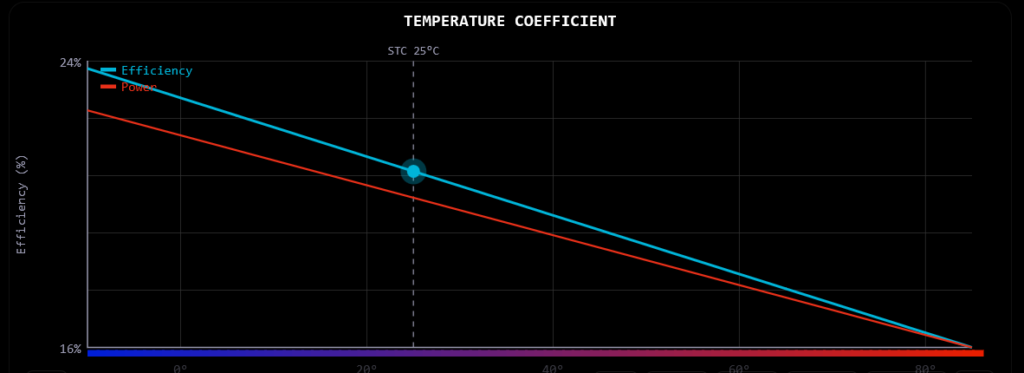
At these temperatures, efficiency drops steadily. Most photovoltaic panels lose 0.3% to 0.5% output for every 1°C rise above 25°C, according to multiple studies. This decline is linked to basic physics. Heat reduces voltage, which lowers power generation.
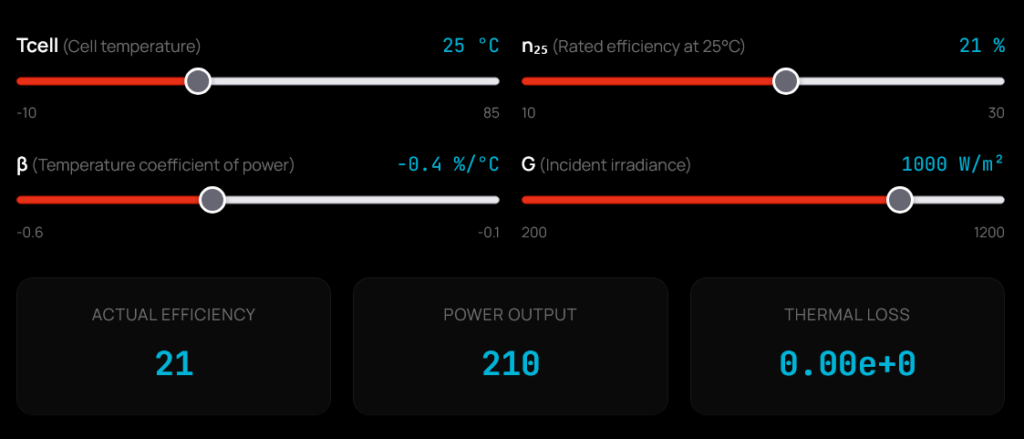
In practical terms, the losses are significant. Research shows efficiency can fall from 21% to nearly 17.6% when temperatures climb from 25°C to 45°C. In extreme conditions, solar panels can lose 10% to 25% of total output.
“Heat translates to a loss of energy,” notes industry analysis, underscoring a counterintuitive truth: more sun does not always mean more power.
The implications are critical for India. The country crossed 150 GW of installed solar capacity in 2026, and expansion continues rapidly. Yet many regions regularly experience temperatures above 40°C during peak summer. In such conditions, panels operate far from ideal efficiency.
Urban installations face an added burden. Rooftop panels absorb heat from buildings, raising their temperature further. Still, the story is not entirely bleak. Solar energy remains a cornerstone of India’s clean transition.
Even with thermal losses, panels continue to generate substantial power. Moreover, technological improvements are underway. New materials and cooling techniques aim to reduce heat impact and stabilize output.
Some solutions are already known. For instance, elevated mounting allows airflow. In addition, reflective surfaces reduce heat absorption. Moreover, thin-film panels, with lower temperature sensitivity, offer alternatives in hotter climates.
Yet the challenge is growing. As climate change drives more frequent heatwaves, efficiency losses may increase. Energy demand also peaks during these periods, placing further strain on the system.
The paradox is clear. The same sunlight that powers solar panels can also weaken them. For India, managing this balance will be crucial.
Reference- ScienceDirect, Popular Science, Scientific American, Nature, Solar.com, Homo Deus Lab