


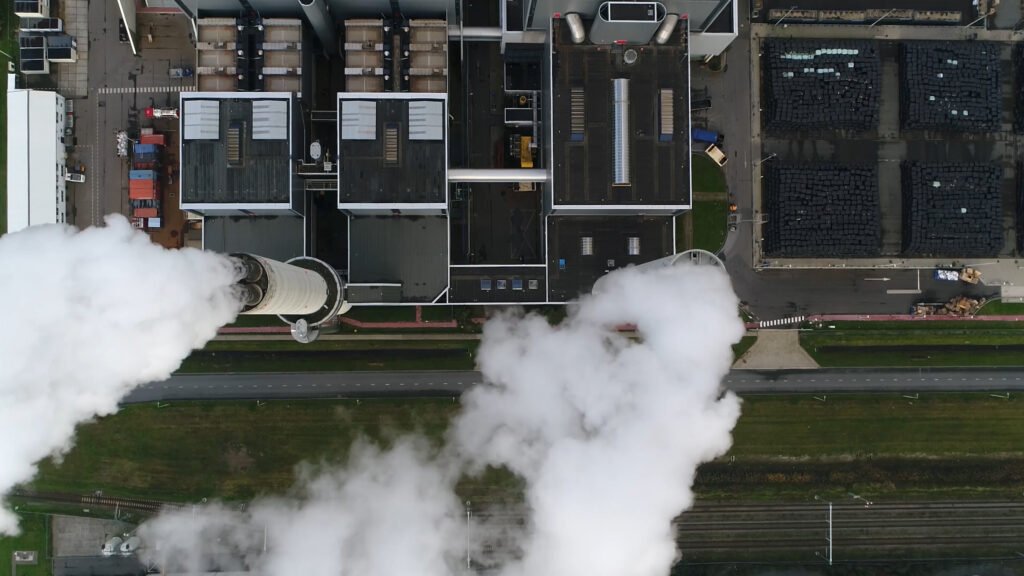
Carbon capture technologies aim to reduce greenhouse gas emissions by trapping carbon dioxide (CO₂) before it enters the atmosphere. These systems include Carbon Capture and Storage (CCS) and Carbon Capture, Utilization and Storage (CCUS). They are used in heavy industries and power plants. However, questions remain about how effective they really are.


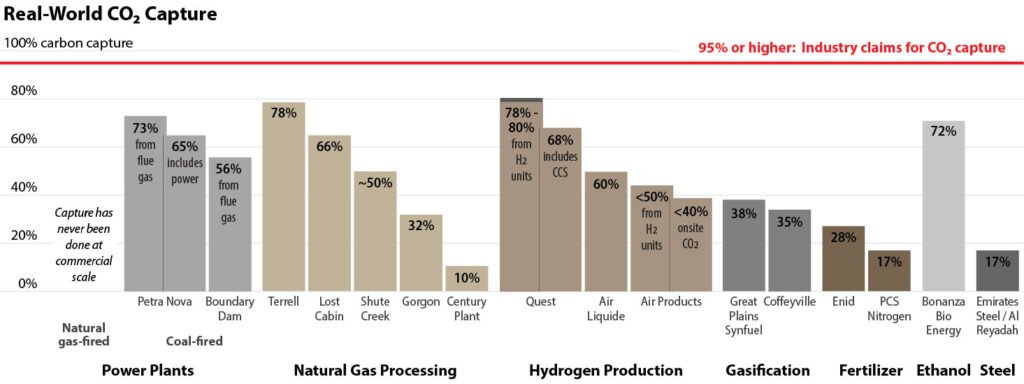
Most carbon capture systems aim to capture around 90% of CO₂ from flue gas at industrial sites. Yet research shows that hitting this target consistently can be costly and energy-intensive. To capture more than 90%, systems need extra equipment, more process steps, and more energy, which raises costs further.
Moreover, a recent energy analysis shows that some projects under-perform. Many CCS facilities never reach their design capture rates, and only a few large projects capture significant carbon over the long term. Independent reviews of past CCS plants found frequent delays, cost overruns, and lower-than-expected results.

At the same time, technological progress continues. Novel materials such as advanced sorbents and more efficient solvents are improving capture efficiency and lowering costs in labs and pilot plants. Solid sorbents like Metal-Organic Frameworks (MOFs) have shown promise in early tests.

Critics point out that CCS is not a standalone climate solution. High costs, underdeveloped infrastructure, and long payback periods make it less attractive than renewable energy and efficiency improvements. Also, permanent storage still poses risks, since CO₂ must remain underground for centuries without leaking.
However, proponents argue CCS remains important for “hard-to-abate” sectors such as steel, cement, and chemicals. They say improved policy support and innovation could help the technology scale.
In conclusion, carbon capture works in certain settings, but its overall effectiveness and scalability are still evolving. It may complement, but not replace, renewable energy and emissions reduction strategies.
Reference- International Energy Agency (IEA), Institute for Energy Economics and Financial Analysis (IEEFA), The Guardian, BBC, Brian D. Colwell