



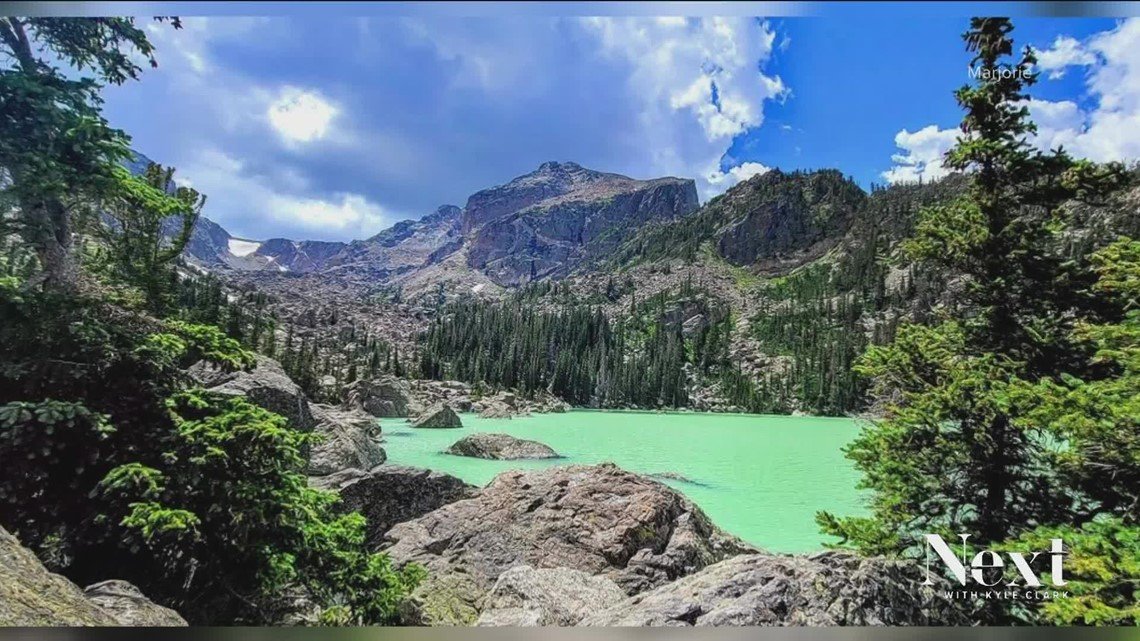
High-altitude lakes once symbolized purity. Today, many are turning an alarming shade of green. Scientists say the shift is global, fast, and human-driven.
A 2022 survey by the U.S. Environmental Protection Agency (EPA) found that 73% of 1,000 lakes in the United States are now eutrophic. A decade earlier, the figure stood at 57%. Eutrophic lakes are rich in nutrients that fuel algal growth. This surge is not limited to lowland regions. Blooms are now reported across the Andes, the Alps, and the Himalayas.
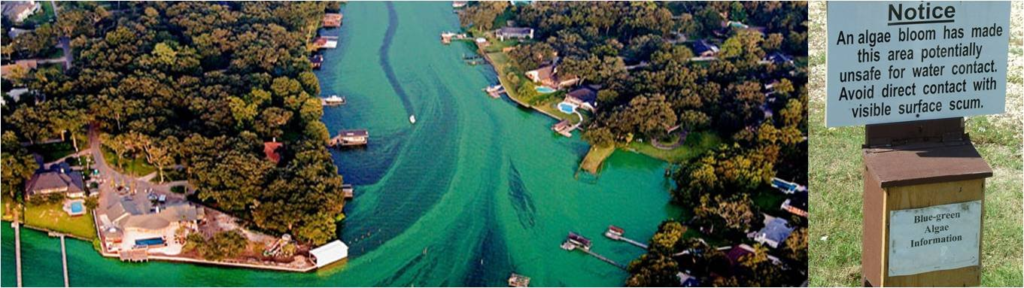
India is not immune. Studies by the Centre for Science and Environment (CSE) and reports from the National Mission for Clean Ganga (NMCG) show rising nutrient loads in Himalayan water bodies. Lakes in Uttarakhand and Himachal Pradesh are witnessing seasonal greening. Experts warn that climate change is accelerating the process.
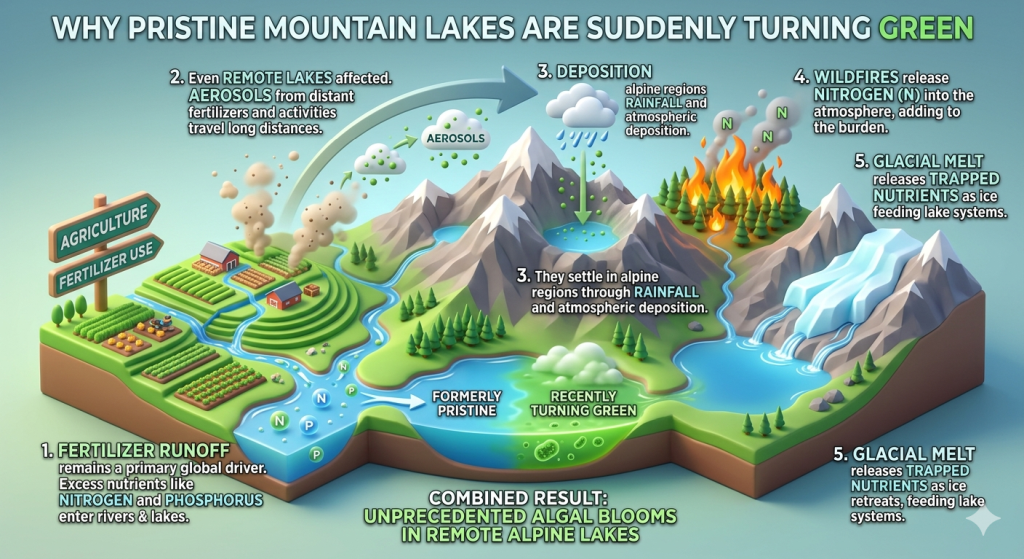
The causes are layered. Fertilizer runoff remains the primary driver worldwide. Nutrients like nitrogen and phosphorus enter rivers and lakes. However, even remote mountain lakes are being affected. Aerosols from fertilizers travel long distances. They settle in alpine regions through rainfall. Wildfires add to the burden by releasing nitrogen into the atmosphere. Glacial melt also plays a role. As ice retreats, trapped nutrients are released into lake systems.
Local ecological changes also matter. For instance, dead vegetation around lakes contributes organic matter. Meanwhile, in some regions, pest infestations have weakened forests. As trees die, therefore, chemical runoff increases. Consequently, this creates a nutrient-rich environment where algae thrive.
The consequences are severe. When algae die, they sink and decompose. This process consumes dissolved oxygen. Fish and aquatic life often suffocate. Such low-oxygen, or anoxic, conditions can persist. They also make future blooms more likely.
More troubling is the rise of cyanobacteria. These organisms produce toxins. They can contaminate drinking water and harm livestock. In India, lakes like Bellandur in Bengaluru already show toxic blooms. While that case is urban, the risk is now spreading to fragile mountain ecosystems.
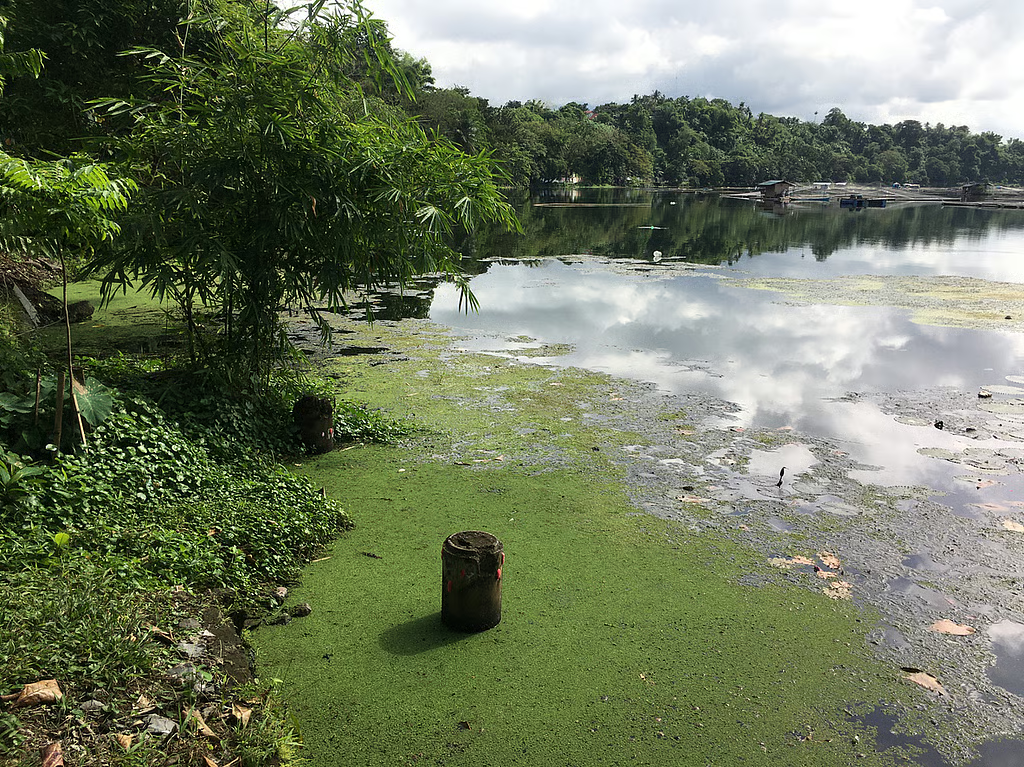
Climate change acts as a force multiplier. For instance, warmer temperatures extend the growing season for algae. Meanwhile, changing rainfall patterns increase nutrient runoff. As a result, the cycle becomes self-reinforcing.
The greening of mountain lakes is not just an aesthetic loss; rather, it signals a deeper ecological imbalance. Therefore, policymakers must act. They need to improve fertilizer management. In addition, authorities must restore forest health. Finally, agencies should strengthen monitoring systems in Himalayan regions.
The world’s highest lakes are sending a clear warning. What was once pristine is now under pressure.
Reference- U.S. Environmental Protection Agency (EPA), Centre for Science and Environment (CSE), National Mission for Clean Ganga (NMCG)