




Tea is one of the world’s most popular beverages, second only to water in global consumption. In 2022, billions of cups were enjoyed daily in homes and cafes worldwide. At the same time, tea farming and processing face serious environmental challenges. Climate change makes tea cultivation more unpredictable because the plants are sensitive to small shifts in temperature and rainfall. This affects yield, quality, and livelihoods for millions of smallholder farmers.
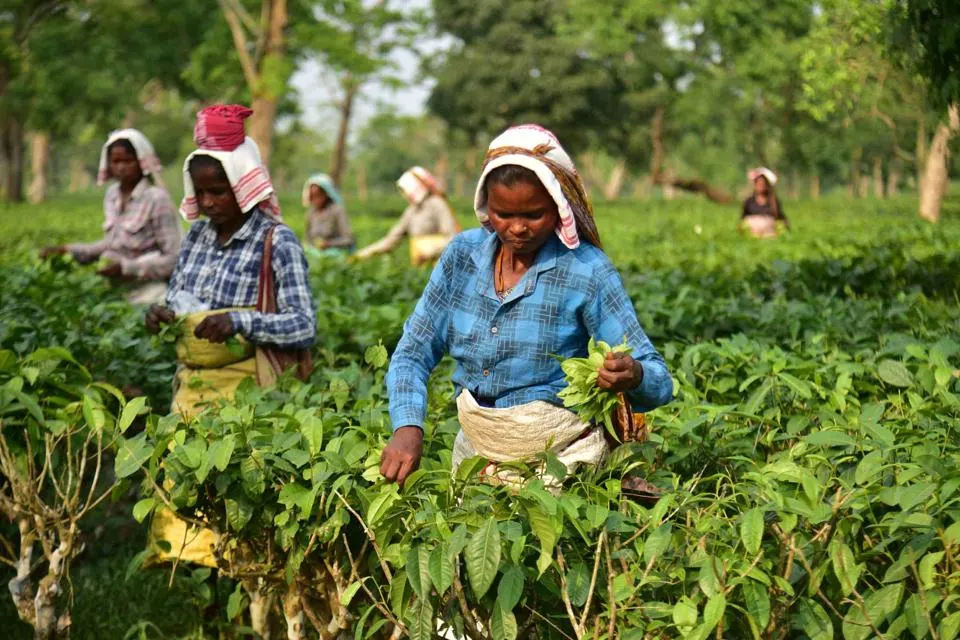
Tea plants are extremely climate-vulnerable. Rising heat, droughts, and erratic rainfall have already reduced harvests in major regions such as Kenya and India. Meanwhile, popular products such as matcha face similar stress in Japan’s Kyoto, where hotter weather has cut summer yields by as much as 25% according to local growers.

Beyond climate impacts, tea production carries an environmental footprint. Conventional farming often leans on pesticides and synthetic fertilizers. These chemicals can degrade soil health, pollute waterways, and harm ecosystems. Also, tea processing and transportation contribute greenhouse gas emissions. Research shows tea factories in India produced over 500,000 tonnes of CO2 in a single month from energy-intensive processes.

However, solutions exist. Sustainable practices such as organic farming, using natural fertilizers, and adopting water-saving methods can reduce environmental harm. In addition, many producers are earning certifications like Rainforest Alliance and Fairtrade, which promote biodiversity, ethical labor, and reduced chemical use.
Consumers can also help by choosing ethically sourced tea and organic products. Every choice toward sustainability supports better outcomes for farmers, ecosystems, and our climate.
Reference- EARTHDAY.org, Frontiers, Forbes, Rainforest Alliance website, Carmién Tea websie