



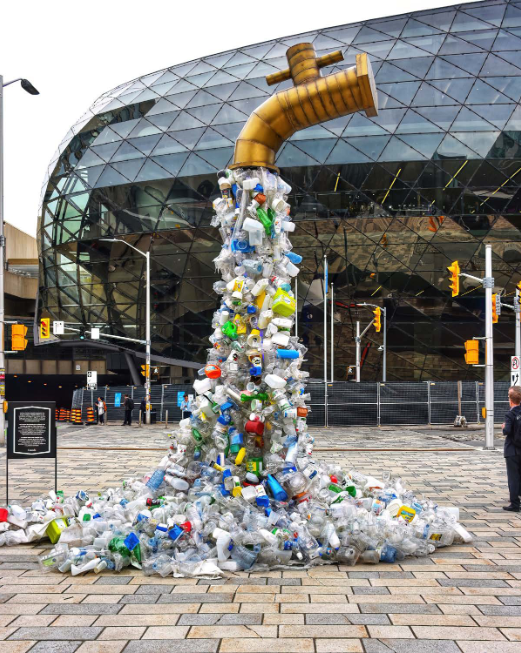
The fashion industry has a recycling problem. Its preferred solution may be contributing to another environmental crisis. Recycled polyester offers a sustainable alternative to virgin plastic. However, new research suggests that this transition could be increasing microplastic pollution.
A December 2025 investigation, Spinning Greenwash, commissioned by the Changing Markets Foundation and conducted by researchers at Çukurova University, tested 51 garments from Adidas, H&M, Nike, Shein and Zara. Its findings challenge the industry’s sustainability narrative.
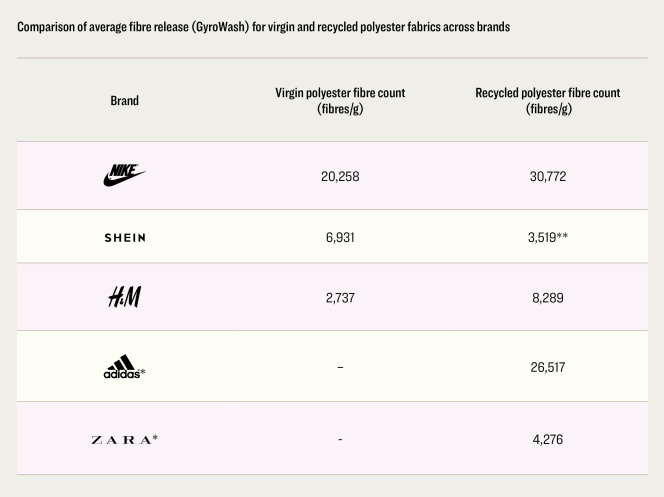
The study found that recycled polyester released approximately 12,430 microfibres per gram during testing. This was 55% higher than virgin polyester, which released 8,028 fibres per gram. Recycled polyester fibres were also smaller, averaging 0.42 mm against 0.52 mm for virgin polyester.
The findings raise questions about the environmental cost of fashion’s recycling strategy.
The wider industry figures add to the concern. According to Textile Exchange’s 2026 Materials Market Report, global polyester production reached 82.5 million tonnes in 2025. Recycled polyester accounted for just 11.8% of production. Moreover, approximately 97% of recycled polyester feedstock came from plastic bottles. Textile-to-textile recycling remained marginal.
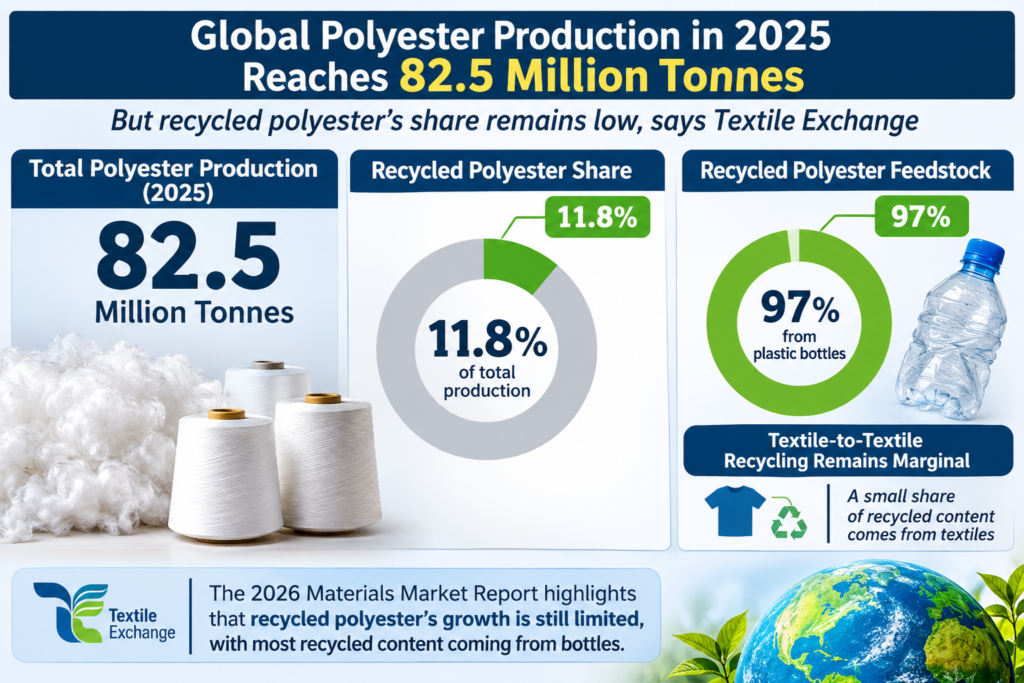
This exposes a fundamental weakness in the circular fashion model. Plastic bottles are converted into clothing, but the resulting garments continue to release synthetic microfibres during washing and everyday use. They also remain difficult to recycle into new textile products.
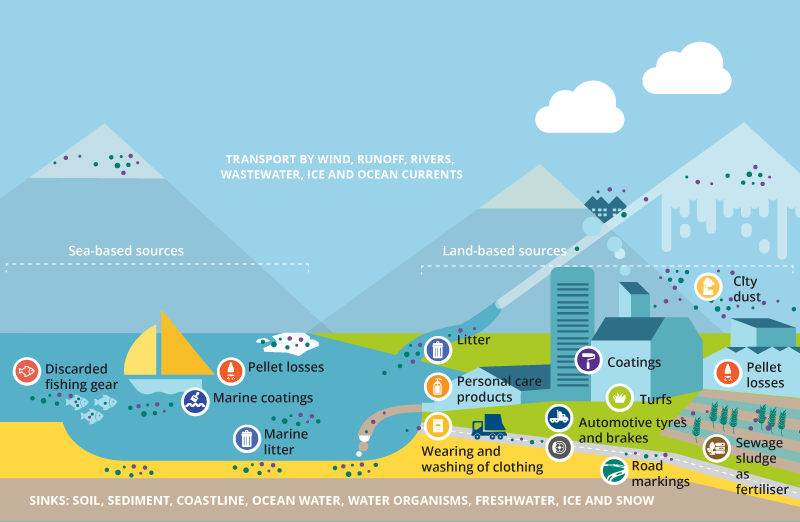
The European Environment Agency has already identified synthetic textiles as a significant source of microplastic pollution. Its research estimates that 200,000 to 500,000 tonnes of textile-derived microplastics enter the global marine environment annually.
The problem is not limited to washing machines. Microfibers are released during manufacturing, wearing and disposal. Consequently, recycling alone cannot address the full environmental footprint of synthetic clothing.
There are also questions about transparency. The Changing Markets investigation identified discrepancies between online recycled-polyester claims and garment care labels in samples from some brands. These findings underline the need for independent verification and stronger product labeling.
However, the study has limitations. Its 51-garment sample provides an important comparison, not a complete measurement of the global fashion industry’s emissions. Further research across fabrics, production methods and washing conditions remains necessary.
The policy implications are clear. Governments must introduce measurable standards for textile shedding, transparent fibre labelling and stronger producer accountability. Manufacturers should invest in low-shedding materials, better garment construction and genuine textile-to-textile recycling.
Consumers also have a role. Buying fewer garments, choosing durable products and extending clothing lifespans can reduce demand for resource-intensive production.
The fashion industry cannot recycle its way out of overproduction.
The real measure of sustainable fashion is not how much plastic it recycles. It is how much new plastic it prevents from entering the system.
Reference- Changing Markets Foundation – Spinning Greenwash, Textile Exchange – 2026 Materials Market Report, European Environment Agency – Microplastics from Textiles