




Climate change is not just an environmental threat. It is now shaping prices and inflation across the globe. Scientists and economists are raising alarms about this emerging trend. A working paper explains that rising global temperatures are starting to drive cost pressures in many sectors. Researchers say this could mark an inflection point where costs climb faster than before.
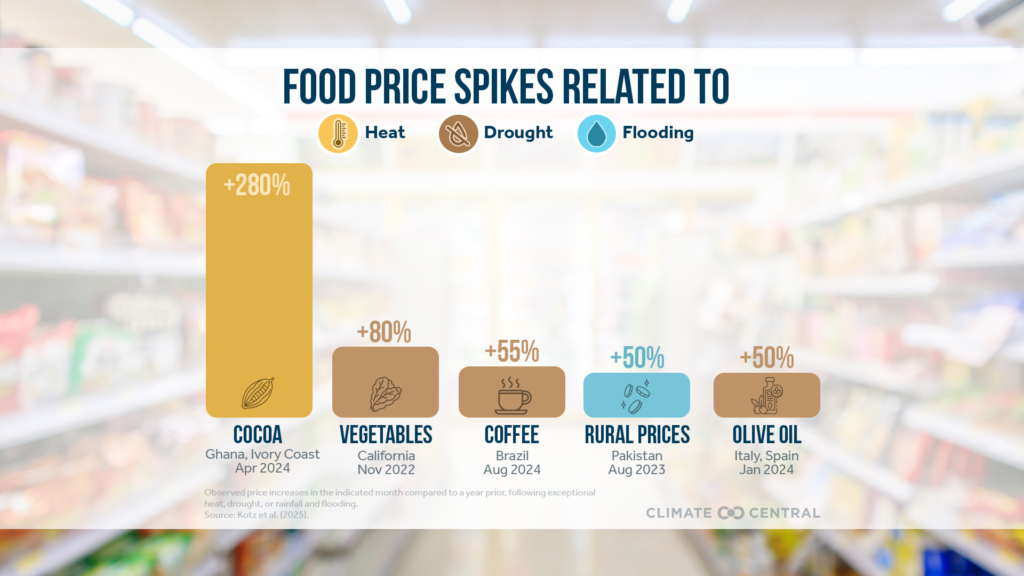
Food prices are among the first to respond. Climate impacts such as heatwaves, floods and drought disrupt crop yields and supply chains. A study covering 121 countries found that a 1°C rise in monthly temperatures can push food price inflation higher for at least 12 months.
That research also projects that by 2035, warming could add 1.4–1.8 percentage points annually to food price inflation in North America alone.
Climate change also complicates broader inflation dynamics. The European Central Bank and Potsdam Institute analysis indicates warming temperatures may raise overall inflation by up to 1 percentage point per year by 2035 if global adaptation is slow.
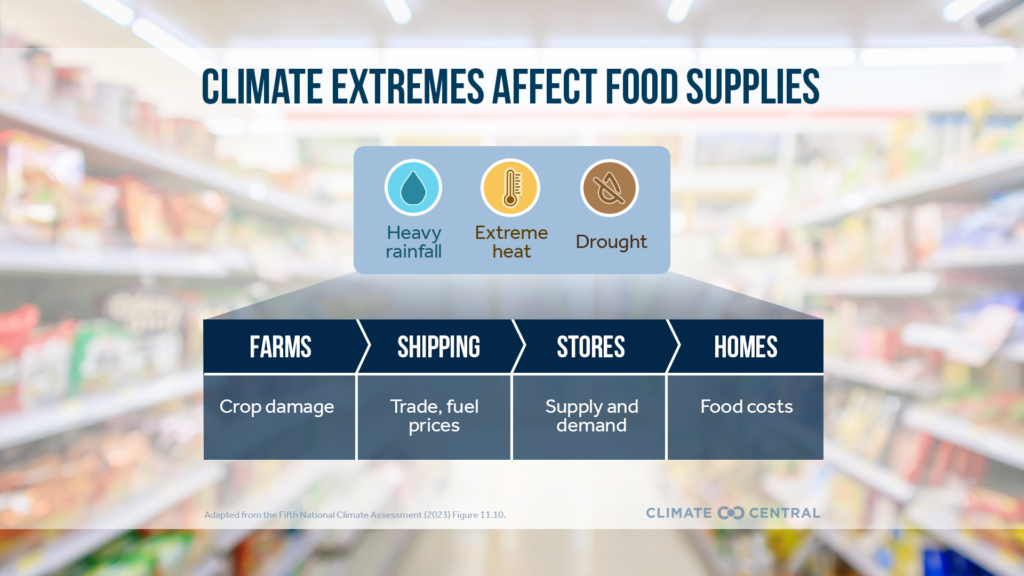
Floods and extreme rain have already begun to affect markets. Reports from Mediterranean farming regions warn of significant crop losses and supply shortages. These impacts trickle through to consumer shelves and push prices up.
Heavy rain and drought damage infrastructure and add to the cost of transport. That adds to inflationary pressure. Moreover, disrupted supply chains reduce output and raise retail prices. Research shows that climate shocks can act like supply shocks, fueling inflation in the short term.
Economists worry central banks will find it harder to control price stability as climate pressures mount. Extreme weather also affects energy and food markets, which are large components of inflation measures.
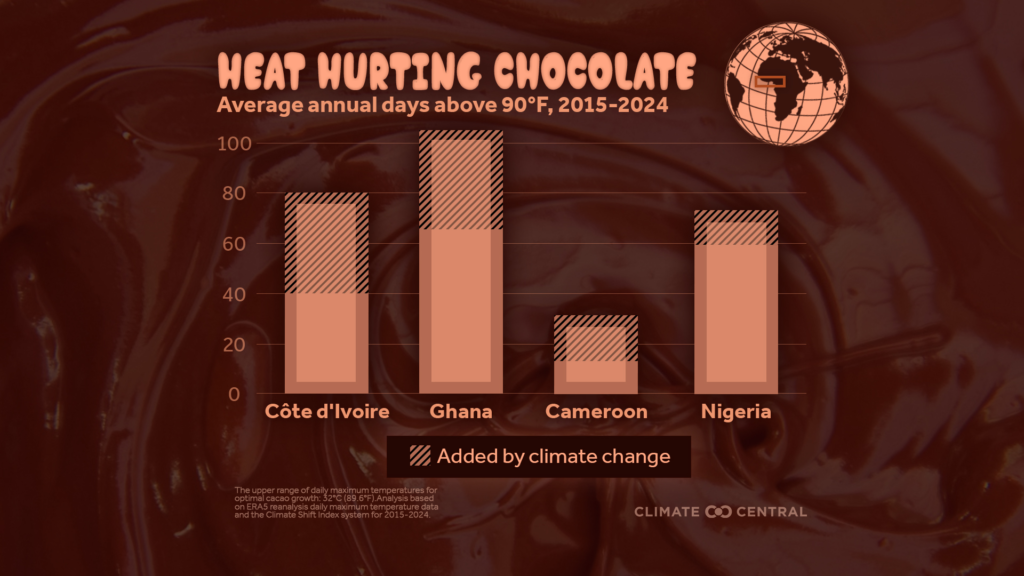
Climate-linked inflation is already visible in coffee and crop markets. Heat stress in key growing regions has helped push up global coffee prices sharply in recent years.
Price increases are not uniform. Regions heavily dependent on agriculture and imports feel the effects most. Poorer households are particularly vulnerable because they spend larger shares of income on food.
Climate change will not stop affecting prices soon. Its effects are structural. Policymakers and markets must adapt. Without action, consumers worldwide may face higher and more volatile prices for food and essentials.
Reference- The New York Times, MIT Climate Portal, The Times of India, Financial Times