




Rising tensions in the Middle East are reshaping global energy markets. Oil prices have surged. Shipping risks have increased. As a result, the biodiesel sector is turning again to palm oil.
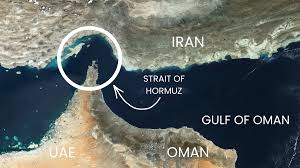
Brent crude briefly approached $100 per barrel during the latest geopolitical escalation. Prices jumped sharply as fears grew over supply disruptions through the Strait of Hormuz, a route that carries nearly 20% of global oil trade.
Higher crude prices change the economics of biofuels. Biodiesel becomes more competitive. Palm oil is one of its key feedstocks.
Industry analysts say this price shift could trigger new demand from biodiesel producers. “Palm oil is trading at a steep discount to gasoil,” said Anilkumar Bagani of Sunvin Group, noting that the spread is “lucrative enough to boost demand.”
Palm oil demand also rises because supply chains are shifting. Freight costs have increased. Asian buyers are seeking faster shipments. Palm oil often arrives quicker from Southeast Asia than alternative vegetable oils.
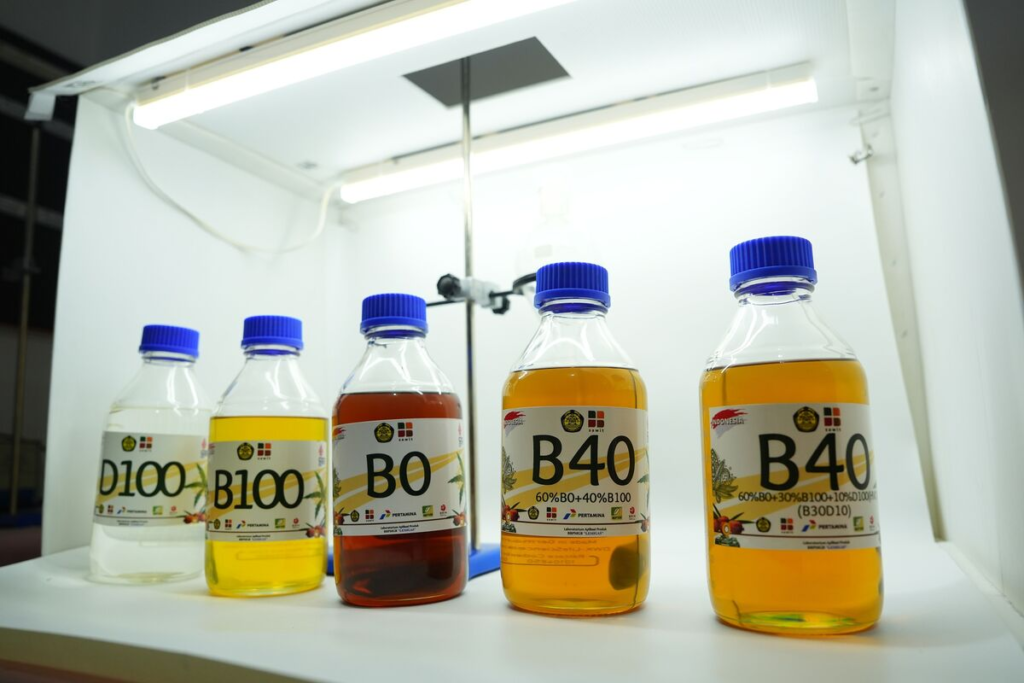
The largest driver remains Indonesia. The country already runs a B40 biodiesel blending mandate, meaning diesel contains 40% palm-based biodiesel. Officials are now considering a B50 blend later in 2026 if oil prices remain high.
Indonesia dominates the global market. It produces about 46% of the world’s palm oil and supplies over half of global exports.
For India, these developments carry mixed implications.

India is the world’s largest importer of edible oils and relies heavily on palm oil imports from Indonesia and Malaysia. Imports reached about 6.9 million tonnes of palm oil during recent trading periods.
At the same time, shipping disruptions linked to Middle East tensions have already pushed vegetable oil prices higher in India. Refiners are now cautious about fresh purchases as freight costs rise.
The biodiesel trend also matters for India’s energy transition. The country aims to expand biofuel blending to reduce crude oil imports. However, heavy dependence on imported edible oils creates a policy dilemma between food security and fuel production.
Experts note that palm oil’s strong link with crude prices makes it sensitive to geopolitical shocks. When oil prices rise, biodiesel demand increases. When oil prices fall, demand weakens.
For now, the Middle East conflict has revived interest in biofuels globally. Palm oil sits at the center of this shift. Energy markets are volatile. Yet the biodiesel sector is responding quickly. The next few months may determine whether palm oil demand rises sharply again.
Reference- Reuters, Business Standard, S&P Global, CNBC