



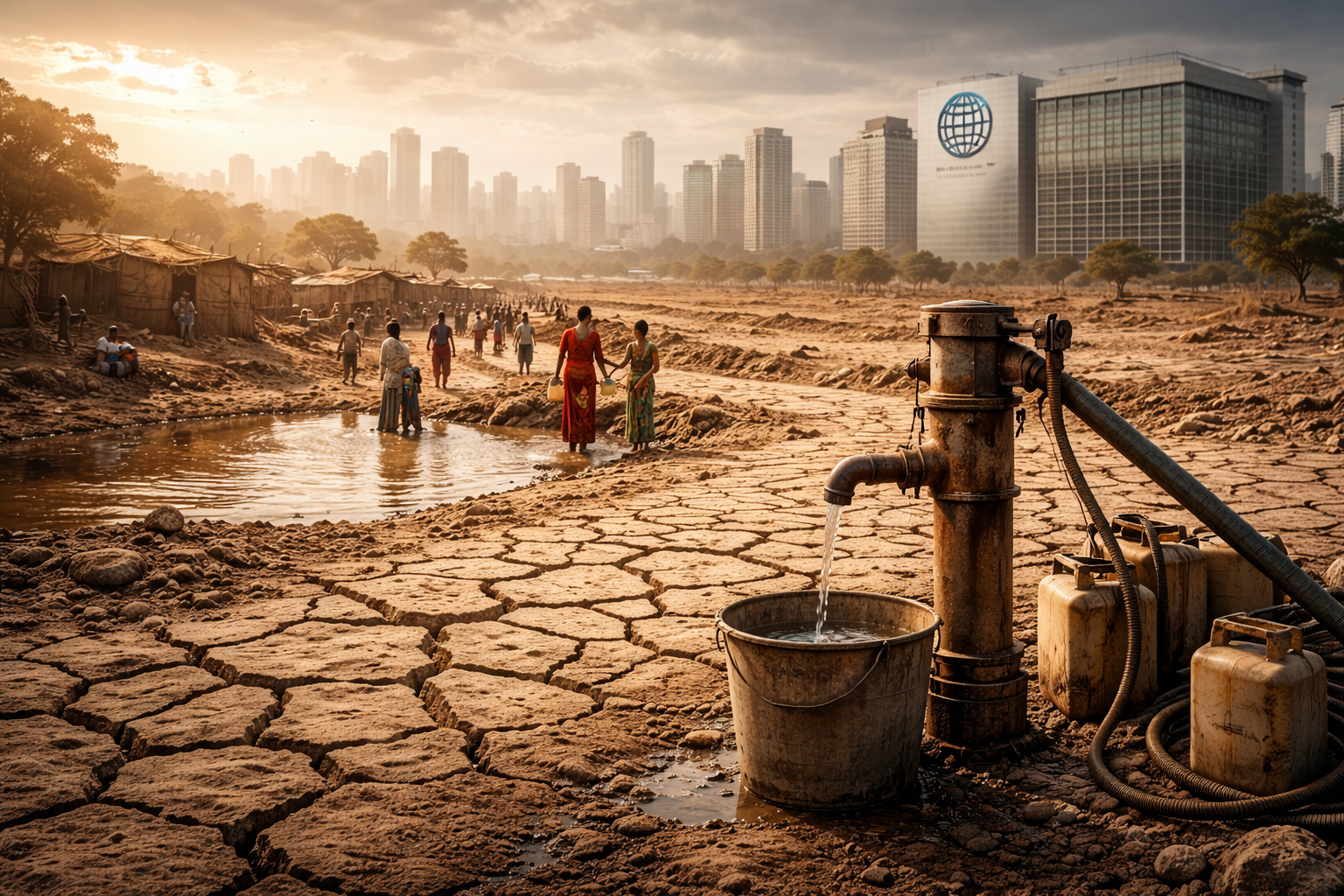
A fresh international attempt to tackle water shortages has kicked off; however, the challenge is overwhelming. This time, the World Bank has revealed its “Water Forward” programme. It aims to extend the availability of water security to one billion people by 2030.
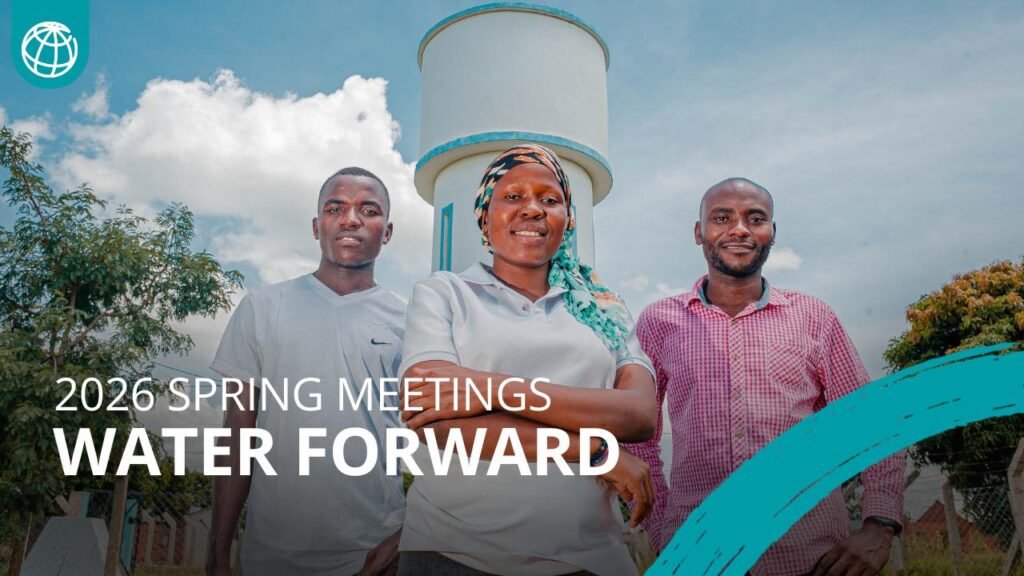
The new scheme was developed in conjunction with prominent figures within development financing institutions like the European Investment Bank and the Asian Development Bank. Its focus is the countries facing water shortages in Africa, the Middle East and South Asia. In total, it concerns 14 states.
Primarily, the programme looks at water as a business resource. Investments will include efforts to minimize leakage, re-use water from sewage treatment plants and upgrade agricultural practices to use advanced irrigation techniques.
This is urgent. As per the World Bank, there will be an expected 40% deficiency in water supply relative to demand in 2030. But the problem is prevalent today. Almost 4 billion people suffer from water insecurity in one or more months during the year.
The World Bank states that 1.7 billion jobs around the world depend on water systems. They include industries involved in agriculture, manufacturing goods and producing energy. In the absence of sufficient supplies of water, efficiency falls along with economic growth.
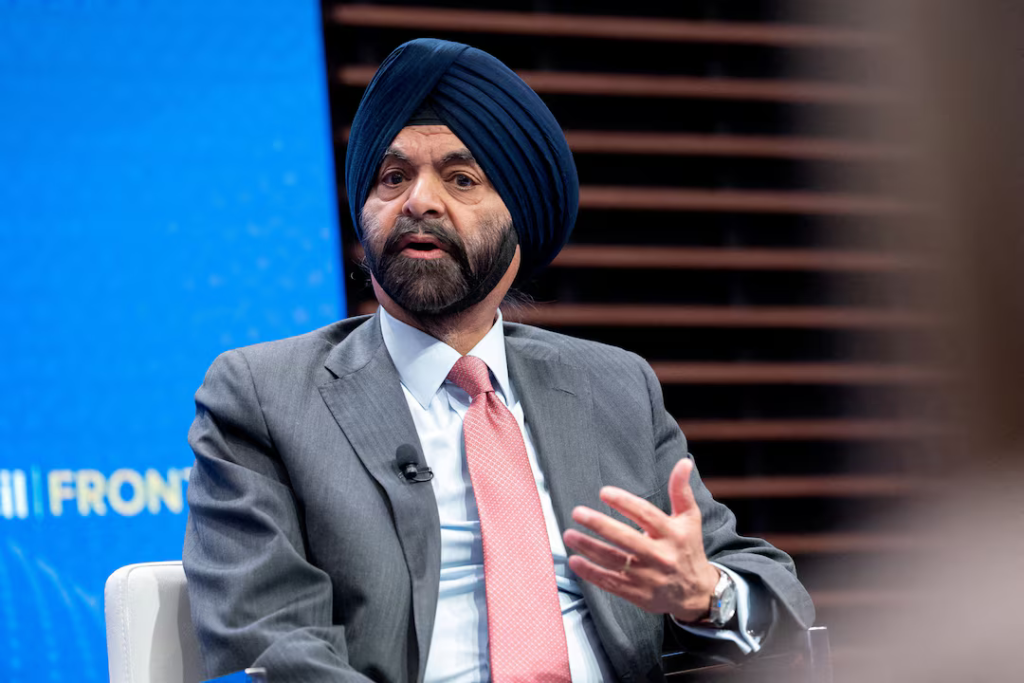
The programme aims to shift this pattern. “Water is foundational to how economies function,” said World Bank President Ajay Banga.
Nevertheless, some obstacles need to be taken care of. Insufficient governance, low prices, and weak infrastructural conditions hampered progress in many countries. The lack of proper policies and economically viable utility companies has impeded investment in several countries.
Meanwhile, experts warn that funding might not solve the challenge. Climate change is likely to make water shortages even worse as a result of increased droughts and floods. Over 75% of the world’s population reside in water-insecure regions based on UN-connected assessments.
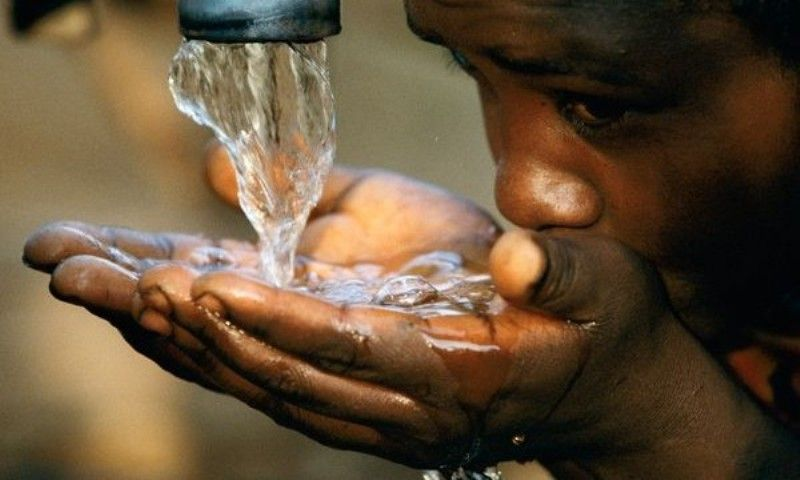
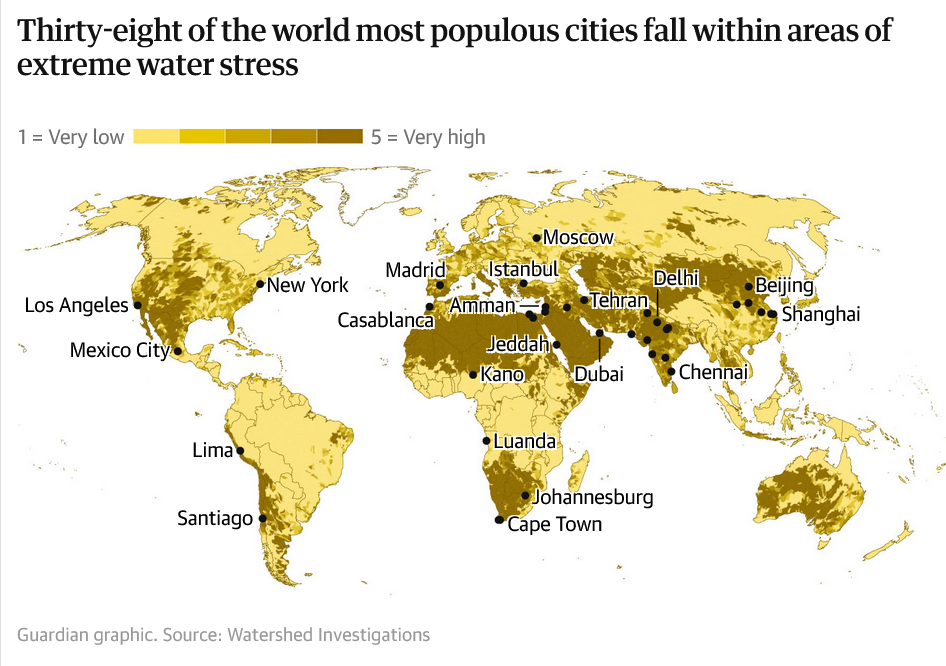
Urban centers are also not immune. About half of the largest cities in the world face a high risk of water shortage because of growing demand and ineffective management.
Thus, the Water Forward initiative takes a good course of action. However, implementation will determine its success. Weak governance, inadequate prices, and flawed policies will hinder it otherwise.
Reference- World Bank website, Reuters, The Print, The Guardian