




According to a recent analysis from the McKinsey consulting firm, the cost of tackling climate change would require the world’s governments to spend $9.2 trillion year for many years to transition to a zero-carbon economy powered entirely by renewable energy.
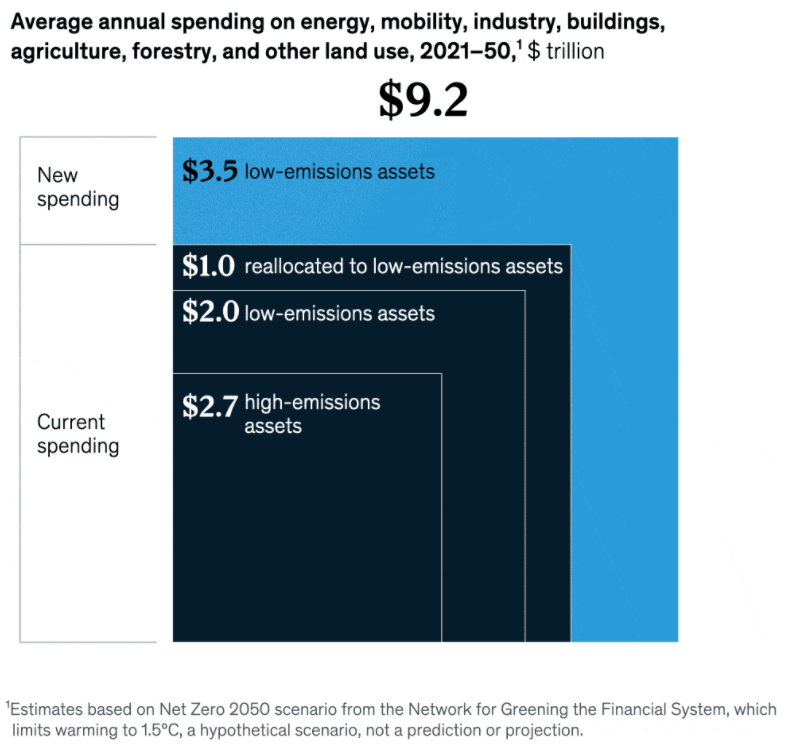
McKinsey report acknowledge’s that $9.2 trillion is a large amount — large enough for anybody to notice — yet it is not an implausible one. It’s not as if we haven’t transformed ourselves before in various ways. The shift from an agricultural economy to one centered on urban life is a recent example of such a costly adjustment.
To those who wring their hands and lament that the world cannot afford such large expenditures, the obvious response is that the world cannot afford not to make them, not if the human species is to exist after the richest of the affluent decamp to Mars.
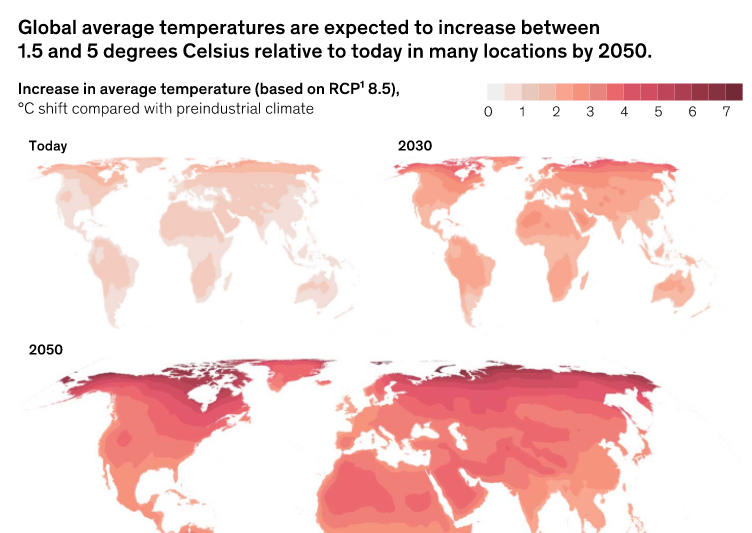
According to the research, attaining net zero is critical if we are to prevent the most devastating effects of global warming, which would affect billions of people.
Additionally, low-carbon initiatives provide chances for economic development and would result in a more cost-effective economy. The transition grows more costly as time passes. The McKinsey investment calculations are not the net costs of achieving global net zero, but rather the yearly upfront costs before benefits are considered.
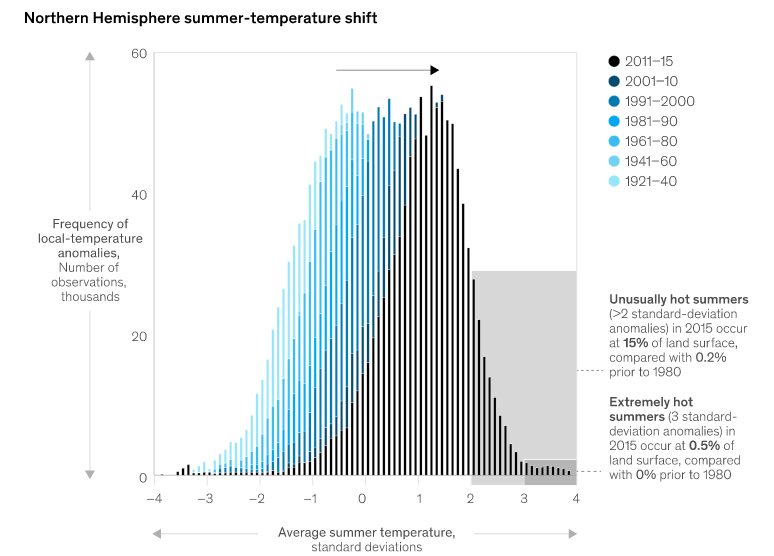
Clean infrastructure investments will generate jobs, growth, and enormous savings, particularly by eliminating the need to purchase ruinously expensive fossil fuels, and will yield significantly higher returns when the avoided loss of lives and livelihoods due to air pollution and climate change is considered.
This article is based on “McKinsey on Climate Change” report.