



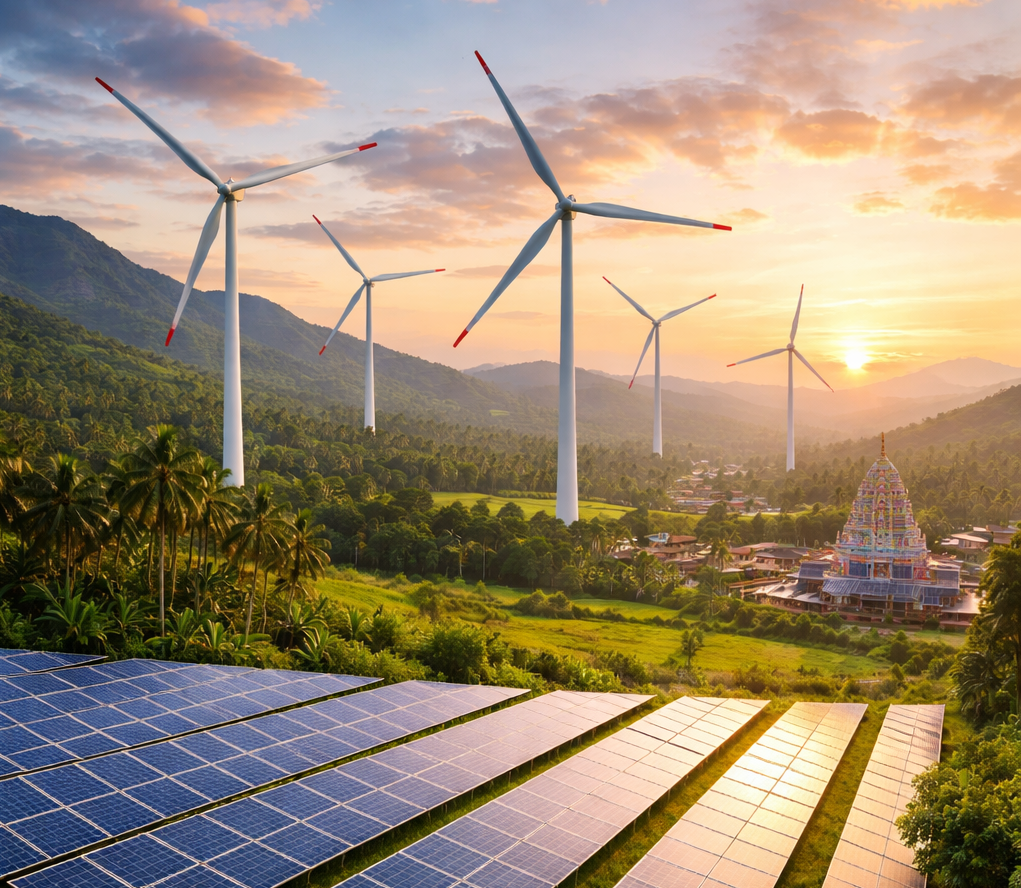
India’s clean energy transition is accelerating. Nowhere is this more visible than in the southern states. Tamil Nadu, Karnataka, and Andhra Pradesh are emerging as renewable energy pioneers. Yet the story is not without contradictions.
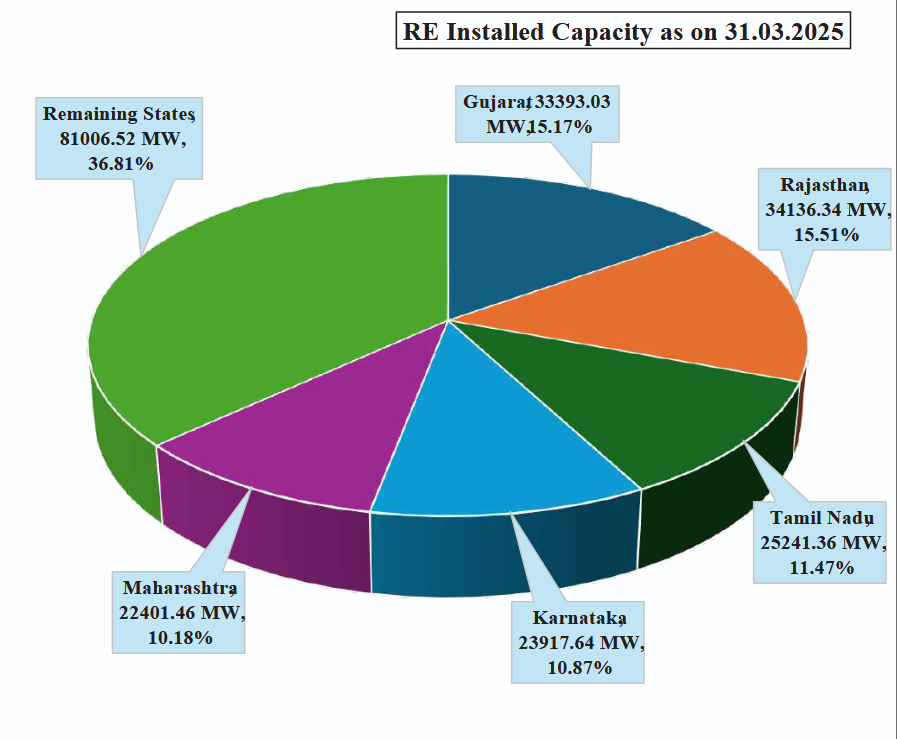
South India has become a backbone of India’s green push. For instance, Karnataka now sources nearly 48% of its electricity from renewables. Meanwhile, Tamil Nadu continues to lead in wind energy capacity. At the same time, Andhra Pradesh is attracting multi-billion-dollar clean energy investments. Therefore, this regional momentum matters. Notably, India aims for 500 GW of non-fossil capacity by 2030.
However, progress is uneven. Renewable capacity is rising faster than grid readiness. Storage systems are still limited. Power transmission remains a bottleneck. Recent energy analyses highlight these gaps. One report states that clean energy growth requires “sufficient storage capacity” to ensure reliability.
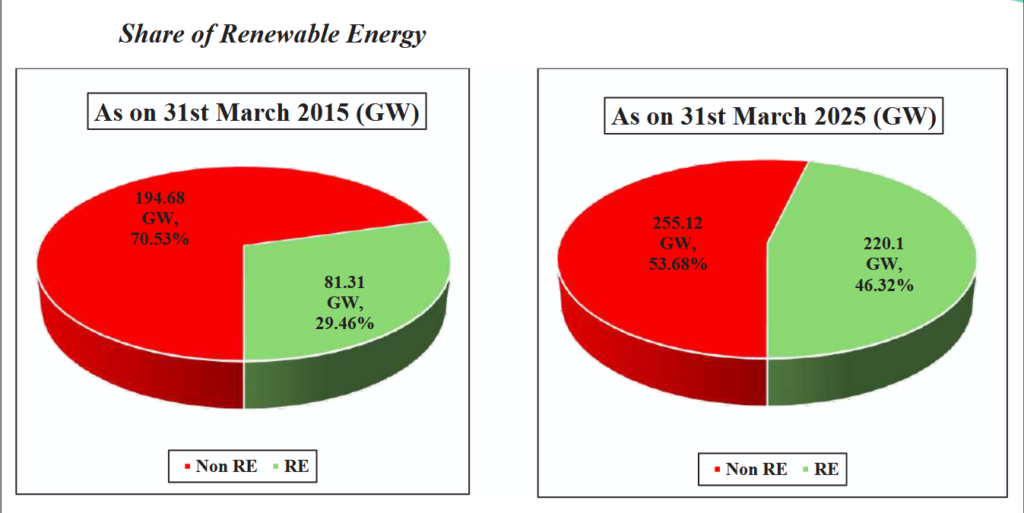
The numbers are impressive. India added around 48 GW of renewable capacity in 2025 alone, driven largely by solar and wind . The country has also crossed 50% installed power capacity from non-fossil sources ahead of its 2030 target . But installed capacity does not equal actual generation. Coal still dominates electricity output.
This is where South India’s role becomes critical. The region has better solar irradiation and wind corridors. It also has policy momentum. Hybrid renewable projects are being scaled. Battery storage is slowly entering the mix. Yet transmission infrastructure often lags behind generation.
The deeper issue is structural. India’s power distribution companies remain financially strained. Renewable integration is complex. Peak demand still depends on fossil fuels. Clean energy is being added. But it is not yet fully dependable.
There is also a social dimension. Land use conflicts and local resistance are growing concerns. Large solar parks often require vast land parcels. This raises questions about sustainability beyond carbon metrics.
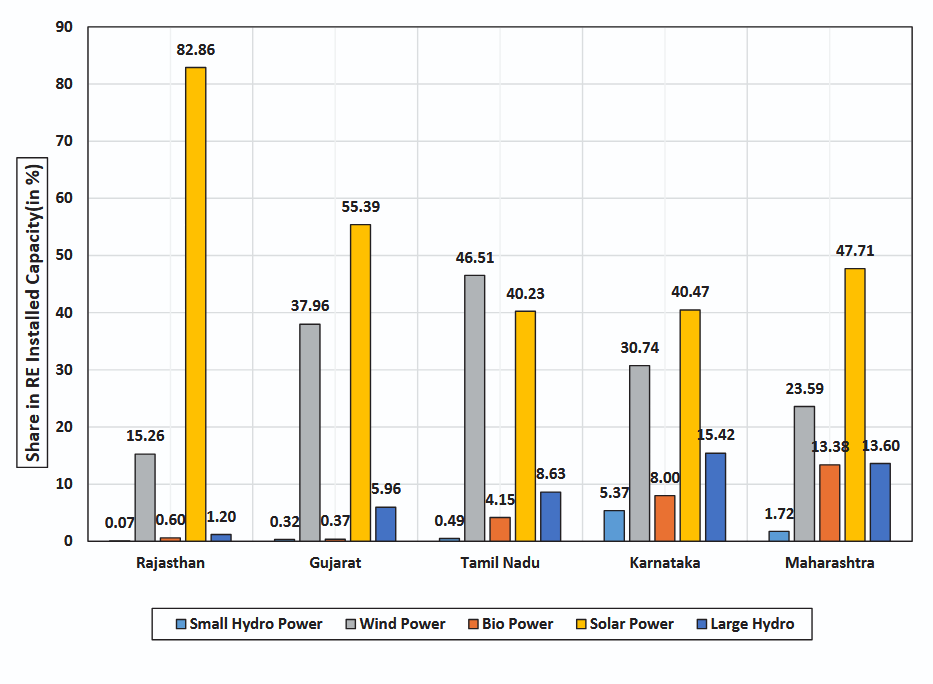
South India offers a glimpse of what is possible. It shows that rapid renewable expansion can be achieved. But it also exposes the limits of current policy and infrastructure.
The transition is real. It is also incomplete.
India’s energy future will not rely on capacity targets alone. It depends on delivering clean power reliably, affordably, and equitably. That challenge remains unresolved.
Reference- Down To Earth, Reuters, JMK Research, Times of India