



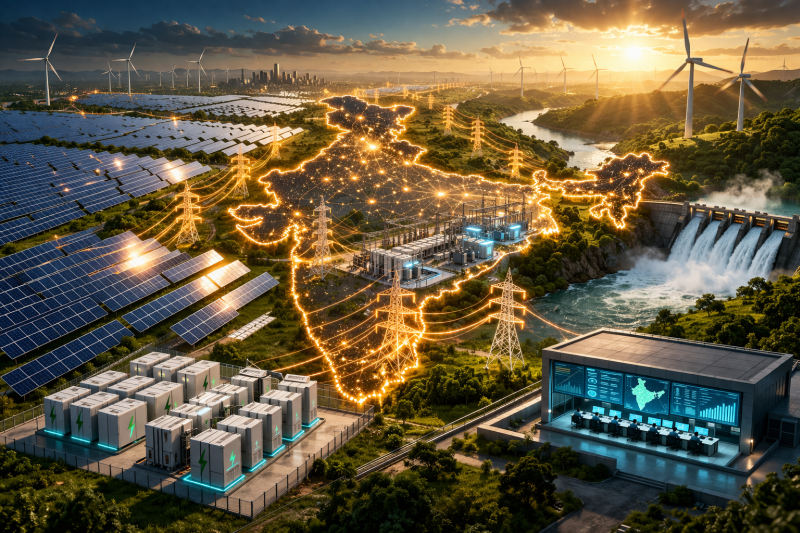
India’s power grid is expanding fast. Yet its readiness for large-scale renewable energy remains uneven. The country has made strong progress. But structural gaps still exist.
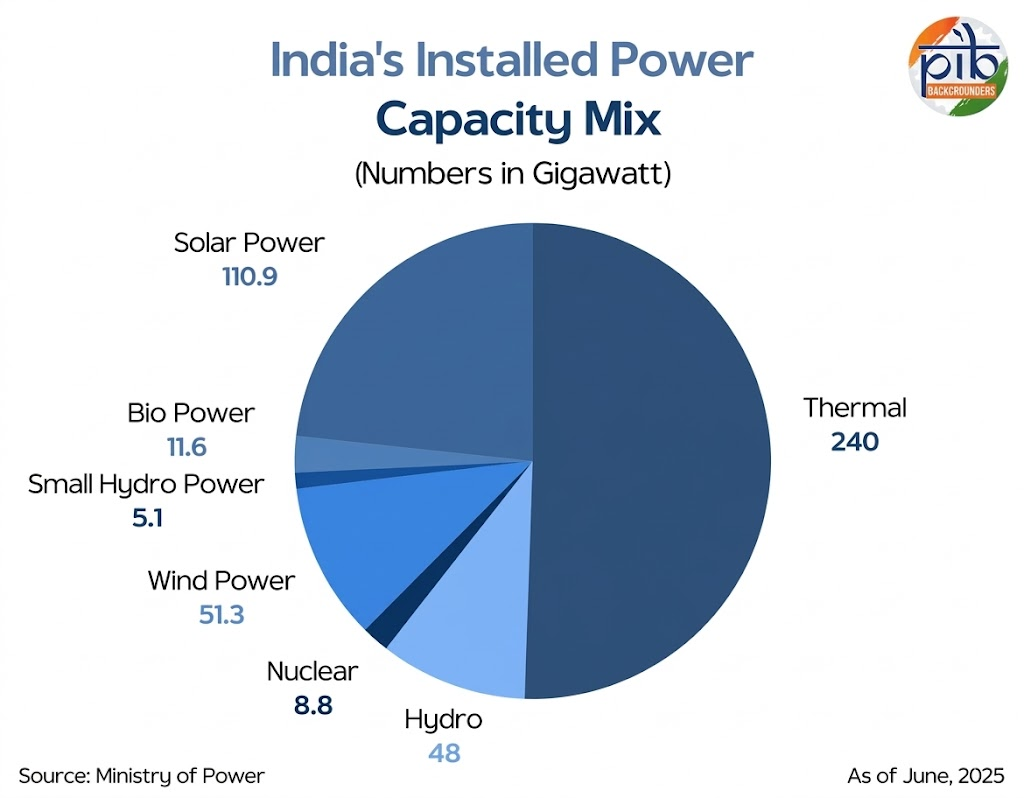
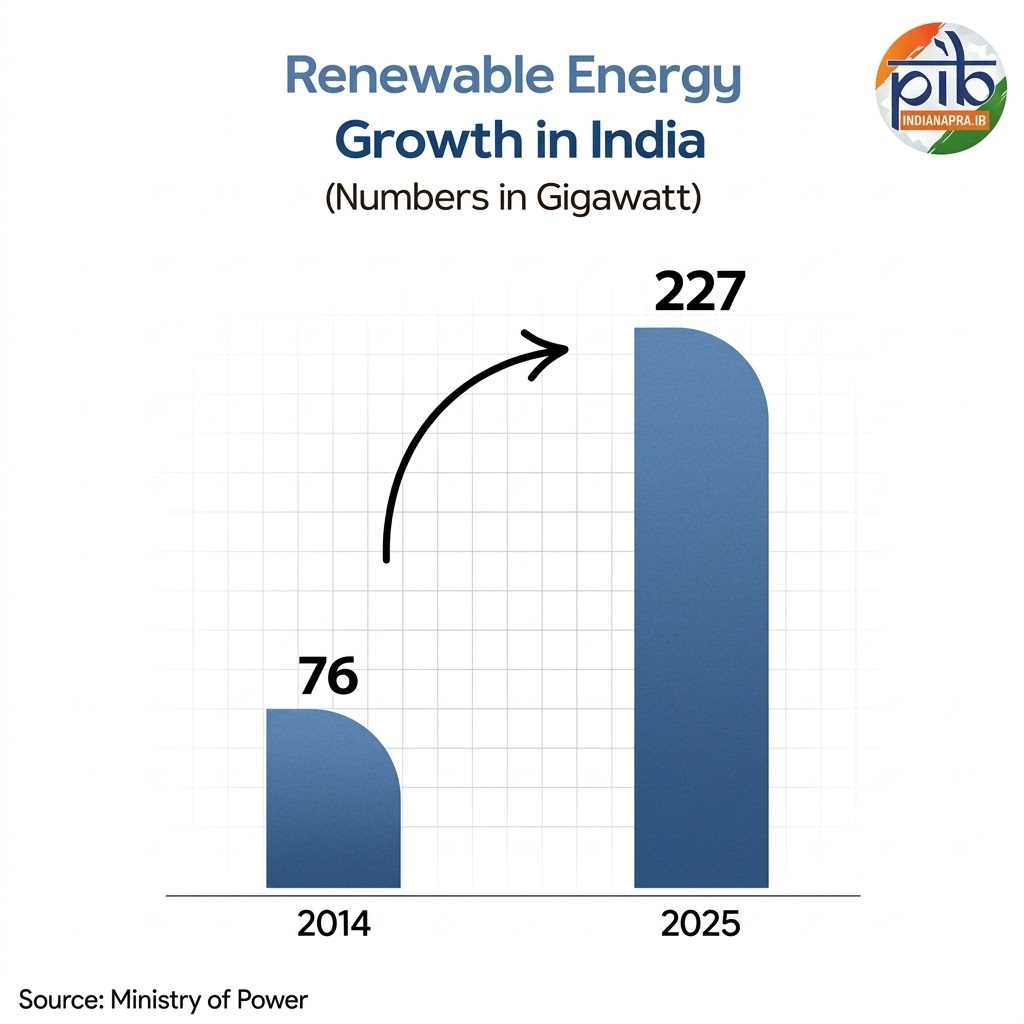
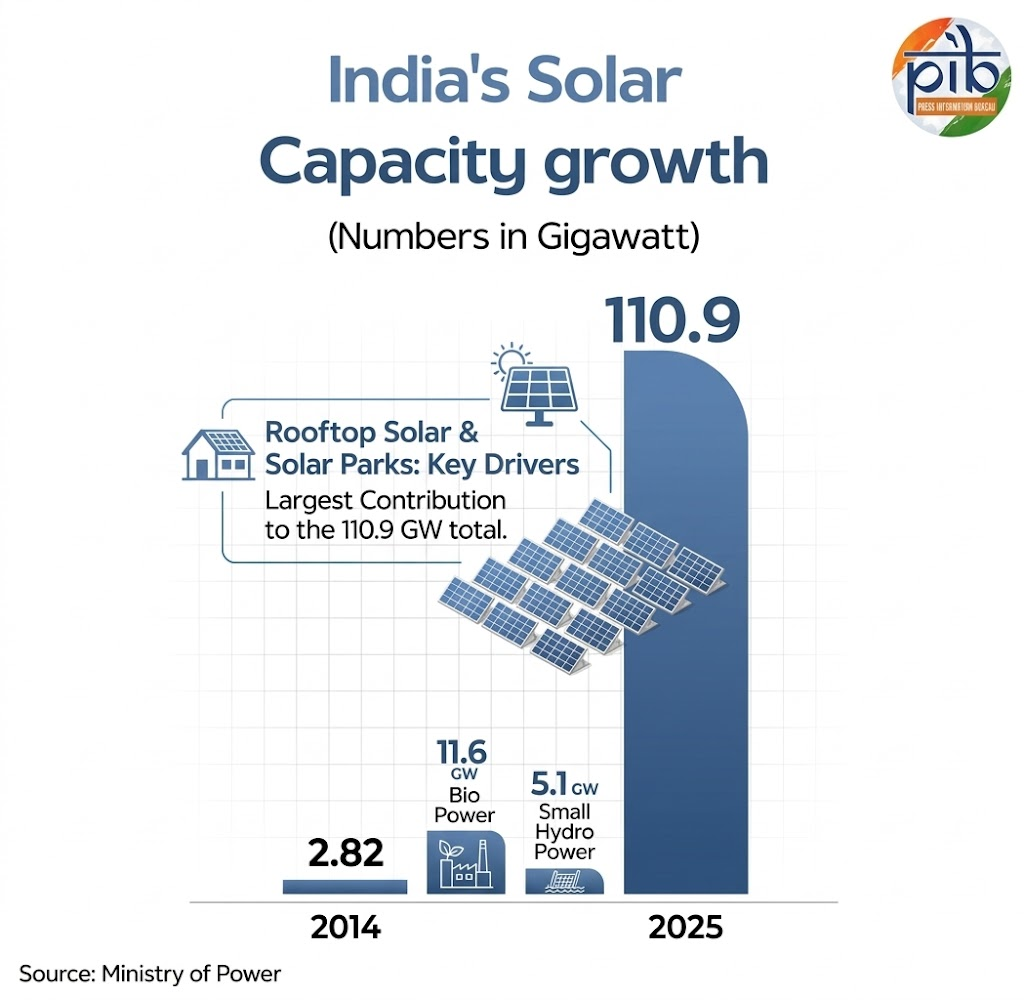
India’s total installed power capacity crossed 476 GW in 2025, with solar at over 110 GW and wind above 50 GW, according to government data. This marks a clear shift toward clean energy. Notably, non-fossil sources now account for more than 50% of installed capacity, achieved ahead of the 2030 target.
However, capacity alone does not ensure grid readiness. Integration is the real test.
The grid has improved reliability. Peak demand of 242.49 GW was successfully met, while shortages fell to just 0.03% in 2025. Transmission losses have also declined to around 2.19%, reflecting efficiency gains. These are strong indicators. Still, experts caution that future demand will stress the system.
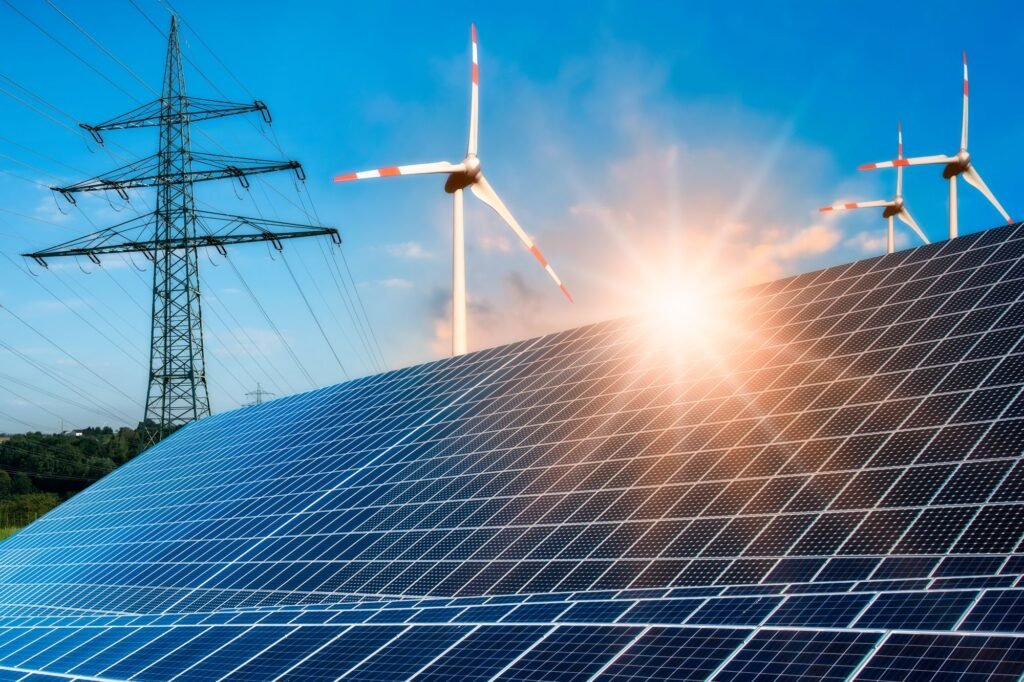
Renewable energy is variable by nature. Solar peaks during the day. Wind depends on weather cycles. As a result, balancing supply and demand becomes complex. A study notes that “high RE without storage… is insufficient to meet rising demand” in real time.
India is investing heavily to address this. A ₹2.4 lakh crore transmission plan aims to connect renewable-rich regions like Rajasthan and Gujarat to demand centers. These projects are expected to unlock over 200 GW of renewable capacity.
Yet progress is gradual. Grid infrastructure often lags behind generation capacity. Delays in transmission lines and land acquisition have been reported. Meanwhile, storage remains limited. Battery capacity is still small, though it is projected to rise sharply in the next decade.
There are operational challenges as well. Renewable output is rising fast. In July 2025, renewables met over 51% of electricity demand at peak moments. This shows potential. But such peaks are not consistent across time or regions.
Policy is evolving to address these gaps. Regulators are tightening forecasting rules for renewable producers. However, industry concerns have led to delays in implementation.
India’s renewable ambitions are massive. The country targets 500 GW of non-fossil capacity by 2030. It may even reach 786 GW by 2035-36, according to official projections.
The direction is clear. The grid is improving. Investments are rising. But readiness is still a work in progress.
For now, India’s power system is partially ready. It can support rapid renewable growth. Yet without faster transmission expansion, storage deployment, and smarter grid management, integration risks will persist.
Reference- Press Information Bureau, Reuters, Power Line Magazine, PV Magazine