



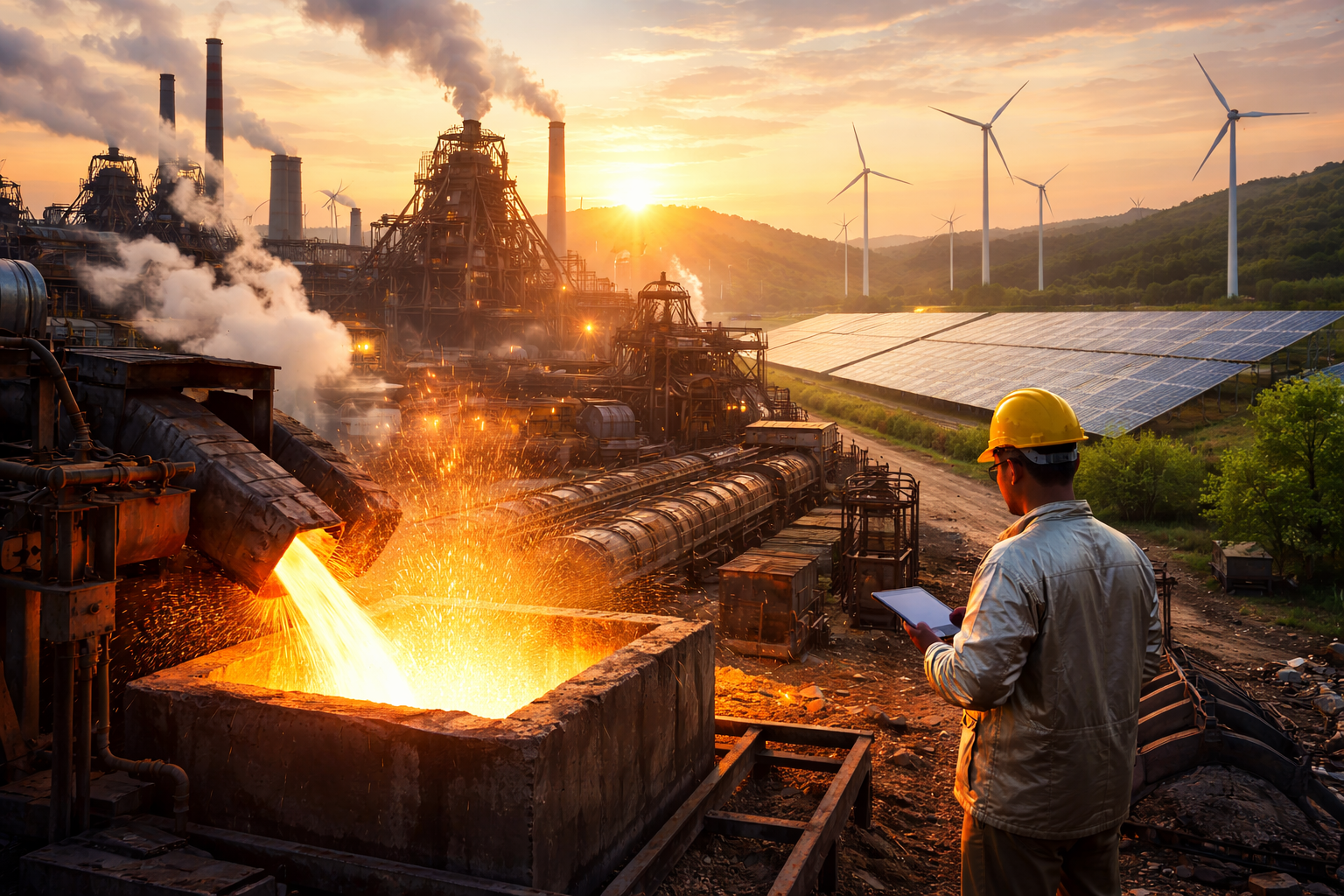
India is attempting a delicate balancing act. It wants to expand its steel industry while cutting emissions. The numbers are ambitious. The risks are real.
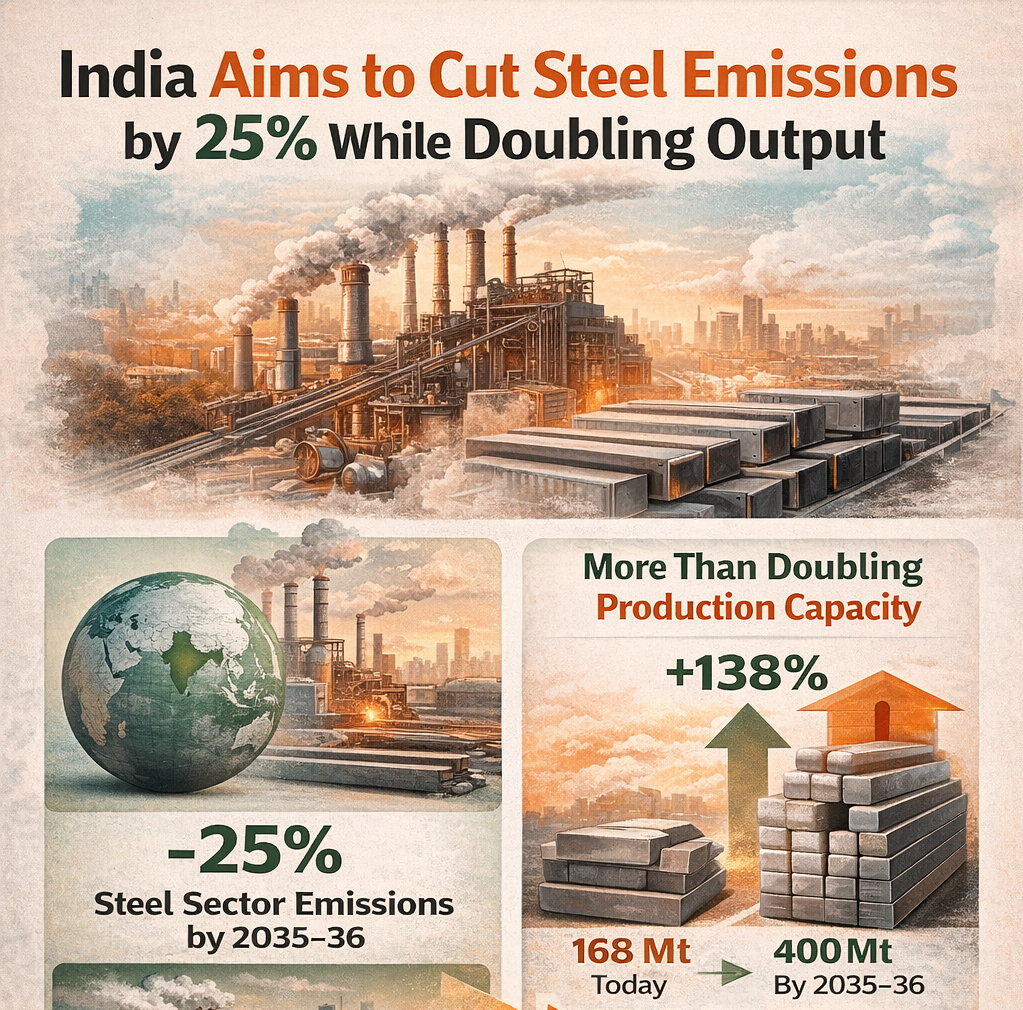
A draft policy reviewed by Reuters shows India plans to cut steel sector emissions by 25% by 2035–36. At the same time, production capacity will more than double to 400 million tonnes, rising from about 168 million tonnes today.
This is not a marginal shift. It is a structural transformation.
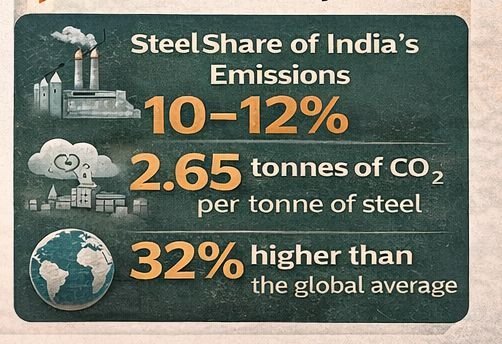
Steel currently contributes 10–12% of India’s total emissions, making it one of the country’s most polluting industries. Emissions intensity stands at 2.65 tonnes of CO₂ per tonne of steel, around 32% higher than the global average.
The target is clear. Emissions must fall to 2 tonnes per tonne of steel by 2035–36.
However, the path is complex.
The strategy focuses on reducing emissions intensity, not absolute emissions. That means total emissions could still rise as production expands. This approach reflects a broader trend among emerging economies. Growth remains a priority.
Policy measures are being outlined. The government will promote gas-based steel-making. It will increase scrap usage. It will also offer incentives for cleaner production.
Yet infrastructure gaps persist. Limited gas pipeline access could slow adoption of cleaner fuels. Only a small share of capacity connects to gas networks today.
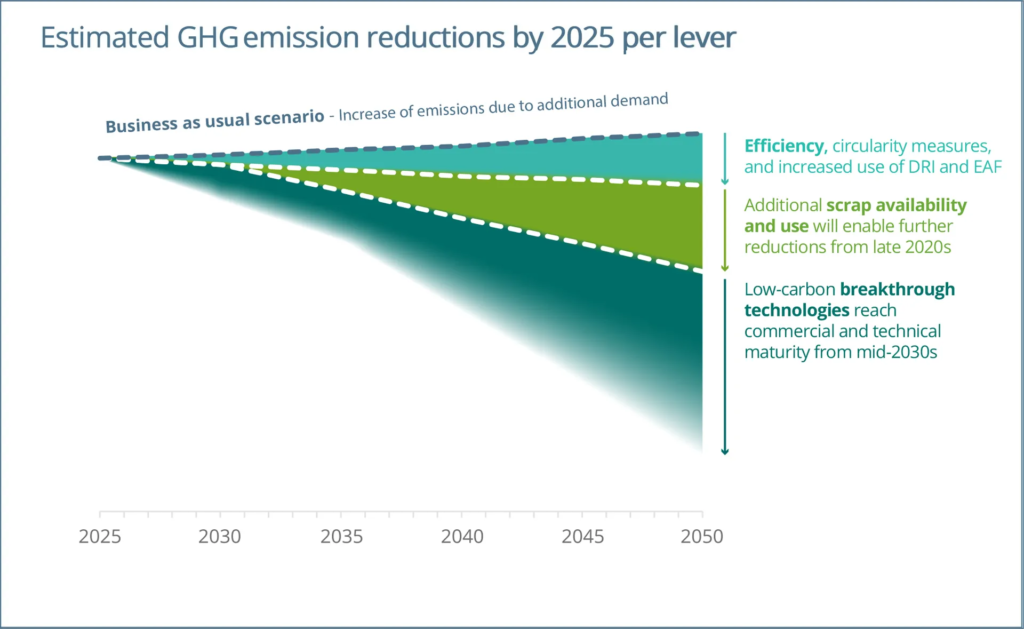
Global pressure is also mounting. The European Union’s carbon border tax has already begun affecting exports. As a result, it imposes costs on high-emission steel, forcing Indian producers to rethink markets and production methods.
The economic stakes are high. For instance, the expansion will require an estimated ₹17 trillion ($183 billion) in investment. Moreover, it could generate over 3 million new jobs.
That scale cannot be ignored.
Still, the contradiction remains. More steel will be produced. Cleaner methods will be used. But total demand is rising fast, driven by infrastructure and urbanization.
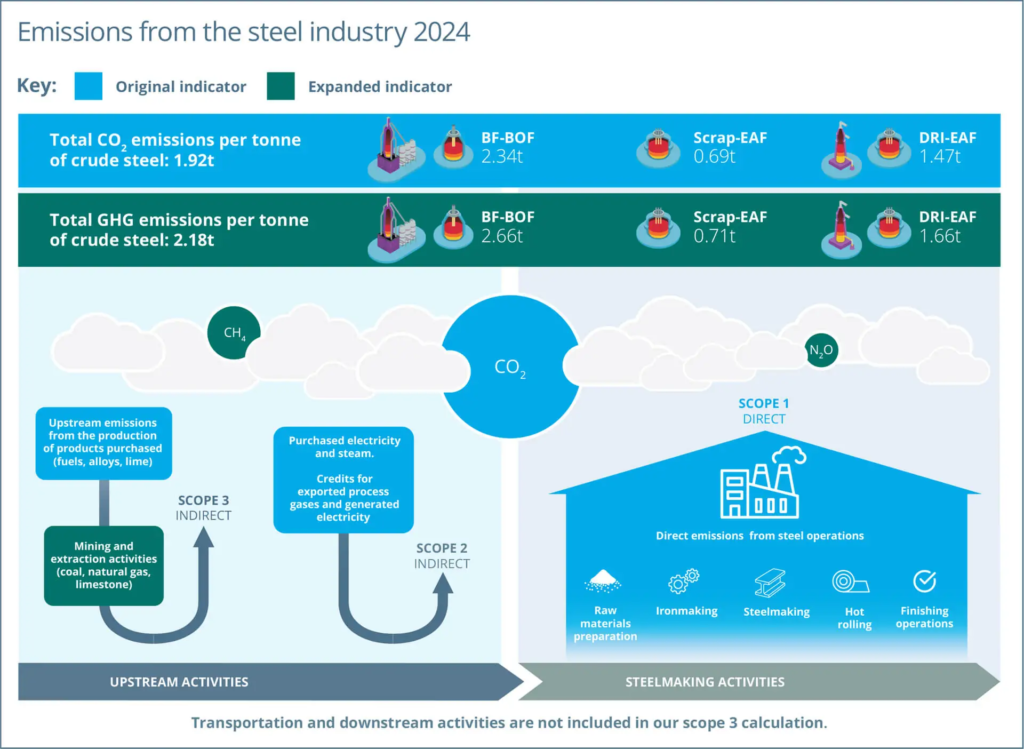
Globally, steel accounts for 7–9% of emissions, underscoring the sector’s climate impact.
India’s move signals intent. It also exposes the limits of incremental change. The success of this strategy will depend on execution. Technology adoption must accelerate. Financing must align. Policy enforcement must remain consistent.
Otherwise, emissions may fall on paper—but rise in reality.
Reference- Reuters, Wikipedia, The Financial Express, The Economic Times, Mercom India