



A climate event is forming in the Pacific Ocean. Scientists say it could be the worst in 150 years — and India is directly in its path.
Weather models are tracking an unusually powerful El Niño for 2026. Ocean temperatures in key monitoring zones are already running approximately 0.5°C above the long-term average, according to the India Meteorological Department (IMD). The World Meteorological Organization (WMO) warns this event could intensify between May and July — potentially rivaling the catastrophic cycles of 1997–98 and 2015–16.
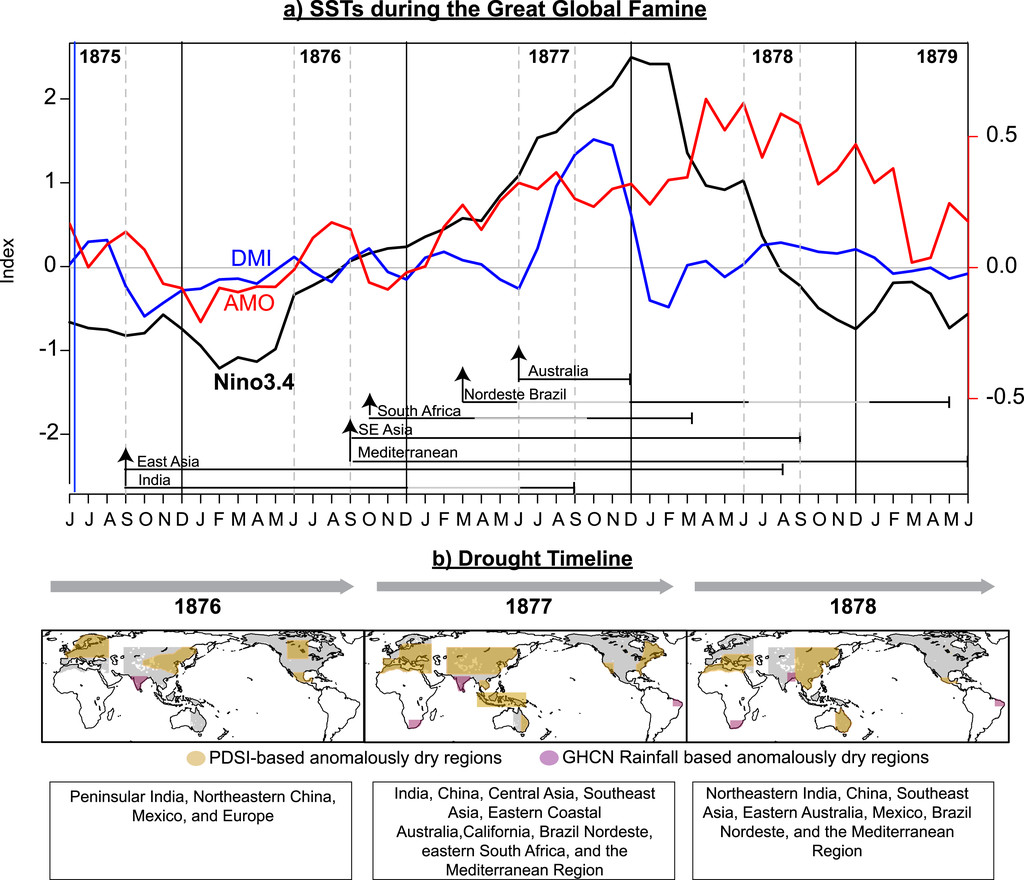
The last time an El Niño of comparable scale struck, it killed an estimated 50 million people. Scientists writing in the Journal of Climate (2018) called it “arguably the worst environmental disaster to ever befall humanity.” That was 1877.
India Knows This History Personally
Monsoon failures over two consecutive years triggered the Great Famine of 1876–1878. Historical records show that the famine affected more than 58 million people across southern and central India. Colonial policies then turned drought into a mass casualty event. British authorities continued grain exports even while millions starved. India never fully recovered from the scars of that era.
Today’s risks are different. The country is not under colonial rule. Yet the vulnerability of agriculture remains structurally unchanged.
What IMD Is Saying Now
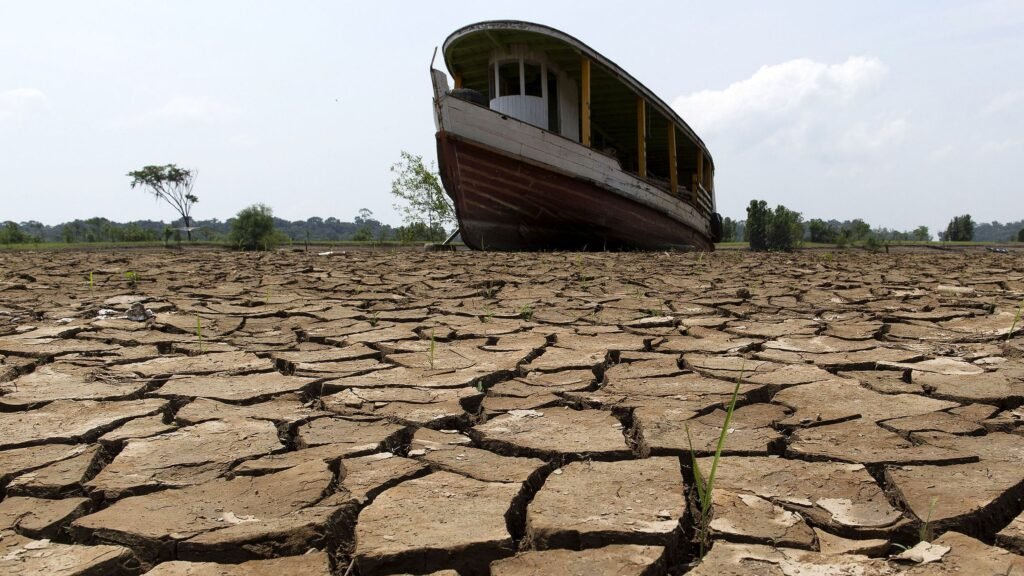
The IMD’s April 2026 long-range forecast projects monsoon rainfall at just 92% of the Long Period Average (LPA) of 870 mm. The probability of a deficient season — below 90% of LPA — stands at 35%. That figure is more than double the historical baseline of 16%, as reported by Down to Earth magazine.
Approximately 60% of Indian farmers depend entirely on monsoon rains for the kharif crop season. Nearly two-thirds of cultivated land is rainfall-dependent, according to IMD data . States including Maharashtra, Karnataka, Madhya Pradesh, and Odisha face the highest drought risk. Chennai and coastal Andhra Pradesh, by contrast, face the opposite threat — dangerous flooding.
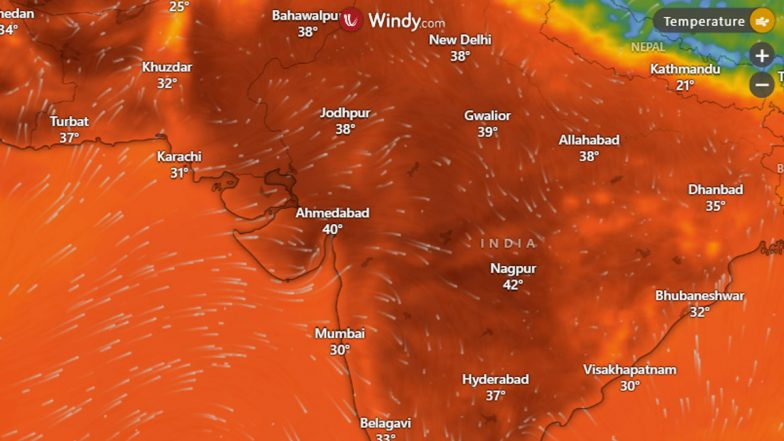
During the 2015–16 super El Niño, Maharashtra’s Marathwada region recorded a 40% rainfall deficit. During the El Niño year of 2023, India logged a 36% rainfall shortfall in August alone.
The Road Ahead
The IMD is expected to release an updated forecast in late May 2026. Climate scientist and former IMD Director General K.J. Ramesh has warned that “the worst-case scenario could be a slightly negative rainfall during the monsoon.”
India has the knowledge, the institutions, and the technology to respond. Whether it has the urgency is the question.
The future is not written. But history does not grade on a curve.
Reference- IMD Long-Range Forecast (April 2026), World Meteorological Organization, Down to Earth (May 2026), LatestLY, Journal of Climate (2018), The Globalist, Wikipedia: Great Famine of 1876–1878