



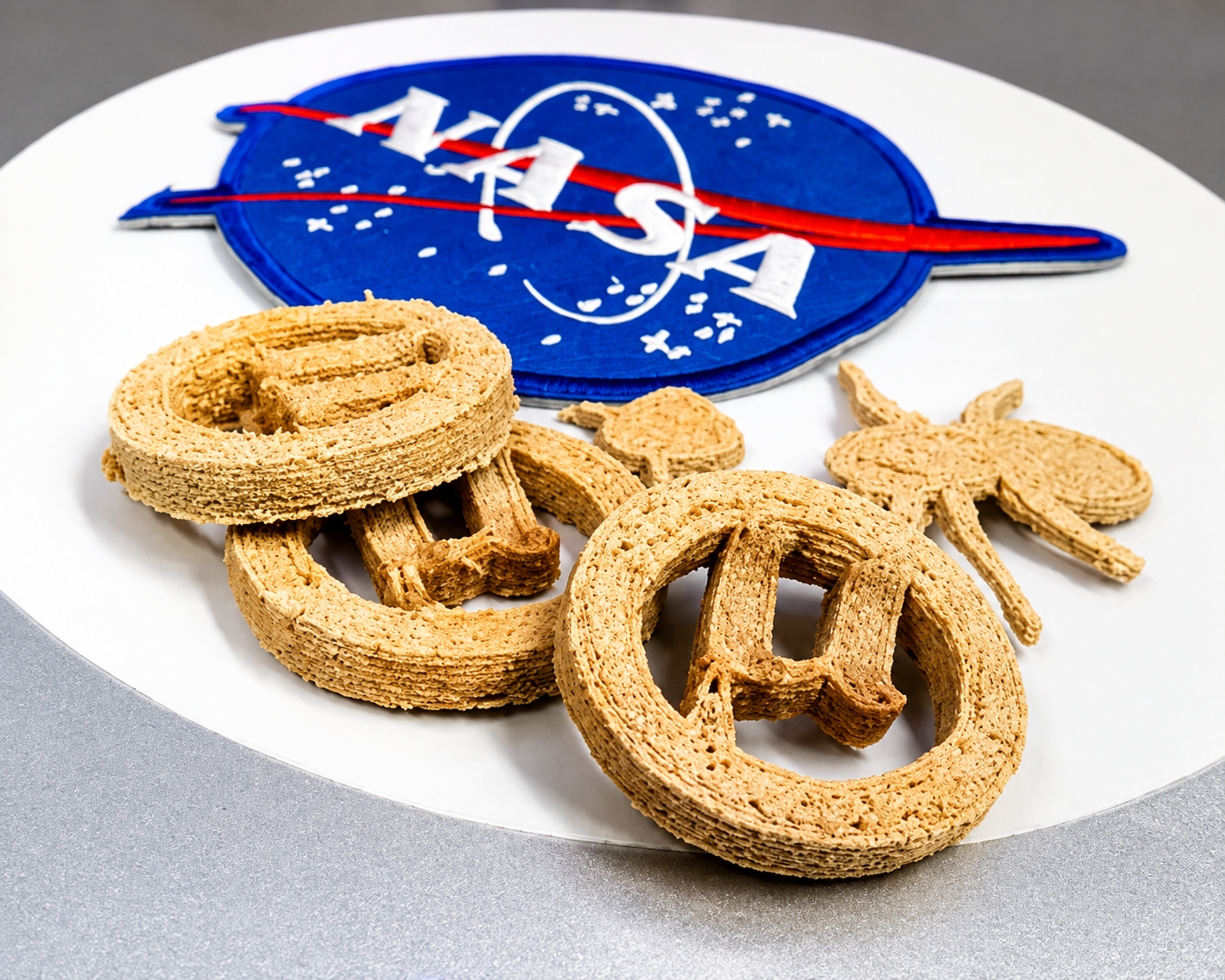
Researchers at Southern Illinois University Carbondale are exploring a surprising way to tackle two problems at once: plastic waste and limited food supplies. Their solution? Turning discarded PET plastic bottles and crop waste into protein-rich cookies.
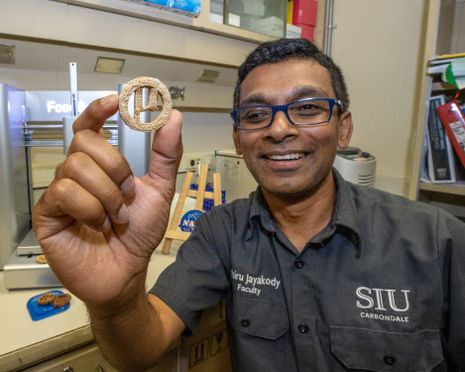
The project forms part of a NASA-funded effort under the Deep Space Food Challenge. It is being led by microbiologist Lahiru Jayakody and uses genetically modified yeast to transform waste materials into potential food.
The team used CRISPR gene-editing to reprogram yeast strains. These microbes can process polyethylene terephthalate, or PET, the plastic widely used in water bottles and food packaging. They can also digest agricultural waste such as corn stalks and leaves.
The process begins with a technique called oxidative hydrothermal dissolution. Heat, water and oxygen break the waste down into smaller chemical compounds. The yeast can then consume these compounds.
Once the process gets underway, the yeast converts the carbon into useful ingredients. These include proteins, fats, organic acids, vanilla flavoring and beta-carotene, which the body can use to produce vitamin A. The researchers then add fiber, starch and sweetener to the mixture and extrudes the mixture through a 3D printer to create small, edible shapes called µBites, or microbites.
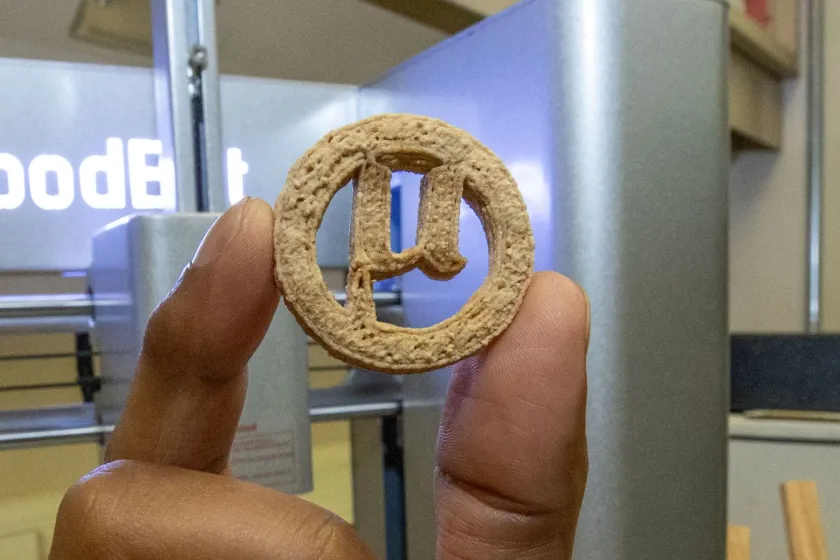
So, what do they taste like?
The answer remains unknown. Jayakody told New Scientist that the product has “a pleasant, appealing aroma” and should taste good. However, the researchers have not yet eaten the cookies because the university still needs to approve human taste tests.
Safety checks have provided some early reassurance. Independent testing found no toxic chemicals, heavy metals or pathogens in the product.
For now, the technology remains expensive, with production costs of around $60 per kilogram. Researchers expect costs to fall as they scale up the process and develop more efficient yeast strains.
The potential impact, however, is significant. Every year, the world generates around 400 million tonnes of plastic waste. At the same time, researchers stress that this technology cannot simply turn all of that plastic into food.
Jason Hallett of Imperial College London has also cautioned against viewing the technology as a complete solution to plastic pollution. As he put it, “You’re not going to turn it all into cookies.”
Instead, the idea is to develop a specialized system for situations where conventional food supplies are difficult to maintain. Future applications could include long-duration space missions, submarines and disaster-hit regions. More testing will be needed before these waste-derived foods can move beyond the laboratory.
Still, the concept is intriguing. It shows that carbon locked inside waste materials could potentially be recovered and converted into nutrition.
The next challenge is making the process safe, affordable and scalable. If researchers can achieve that, yesterday’s waste could become tomorrow’s food—at least in places where traditional food production is not an option.
Reference- New Scientist, Futurism, American Chemical Society presentation, The Guardian