



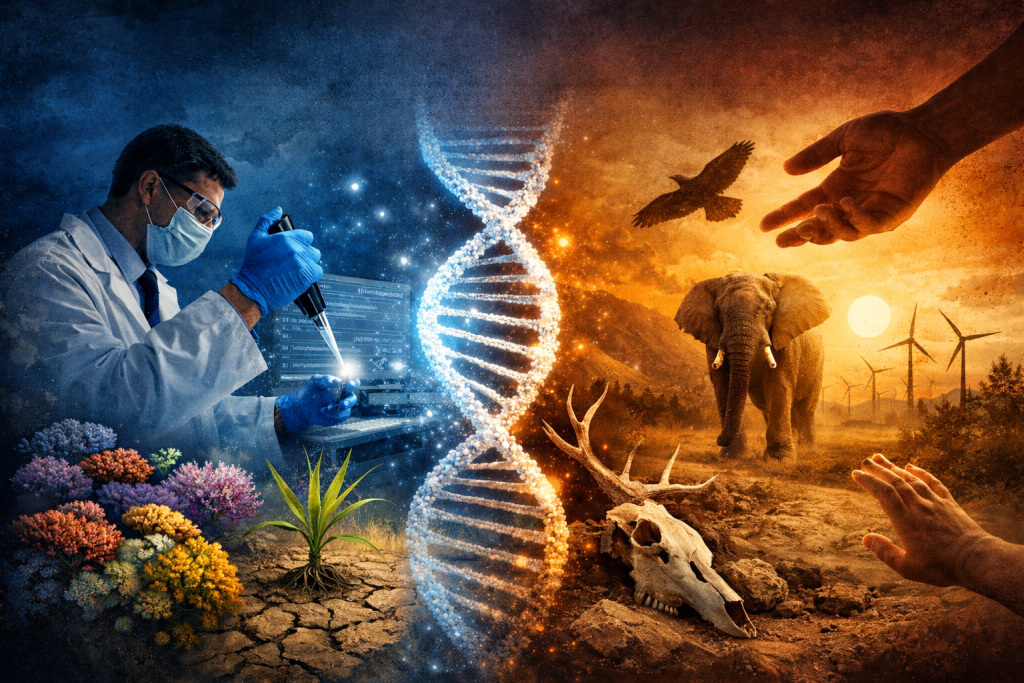
Human influence now shapes the biosphere in unprecedented ways. Species are disappearing under climate change, pollutants, and invasive organisms. Scientists and ethicists now ask: should we intervene in evolution to save life that is at risk?
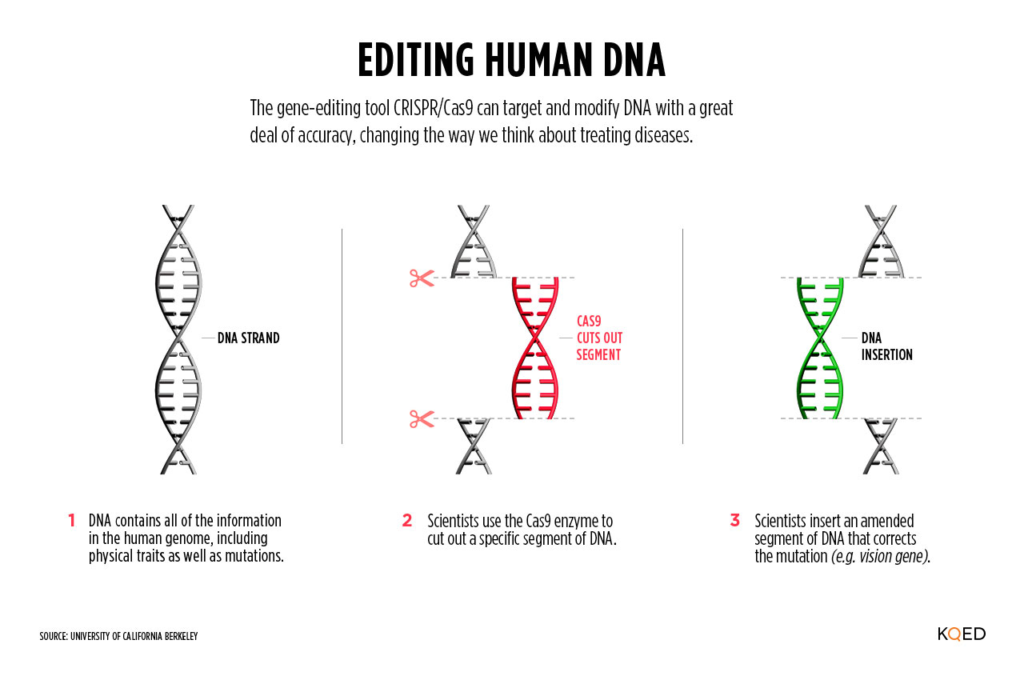
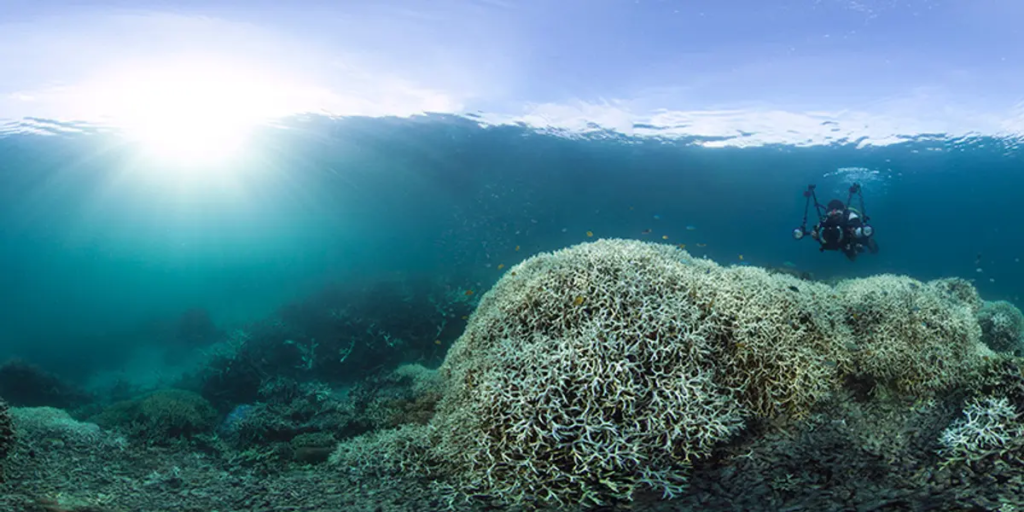
New gene-editing tools like CRISPR-Cas9 are precise. They can change DNA at the level of single letters. These techniques make it possible to boost traits that help species survive. For example, plants could endure drought and microbes could break down pollution. Coral reefs, which are dying from heat stress, could gain resilience through assisted evolution.
Some see this work as necessary. They believe non-intervention means accepting mass extinctions. Close to 50,000 species are at risk worldwide, according to the IUCN Red List.
However, the science is not simple. Editing genomes does not always change complex ecological relationships. Species live in networks of interaction. Changing one part can affect the whole system. Ethical concerns are deep. Directing evolution can feel like playing God. The question of who decides what to change is unresolved.
Further, the idea that nature remains untouched is a myth. Human emissions and land use have already reshaped evolution. So stepping back is not truly possible.
In some cases, efforts of assisted evolution resemble traditional breeding. For instance, they use selection to favor traits that support survival. However, newer technologies like gene drives could spread engineered traits through populations over generations. As a result, the risks and rewards increase at scale.
Critics warn that creating new traits could lead to unintended consequences. They say we must tread cautiously. Others argue it is immoral to leave species to die when tools exist to help them.
Ultimately, the debate is both scientific and moral. It asks what role humans should play in the living world. If we intervene, can we do so wisely and ethically? The question has no simple answer, but it will shape the future of life on Earth.
Reference- Aeon, Nature, Springer, bioethic.com, SCRIBD