



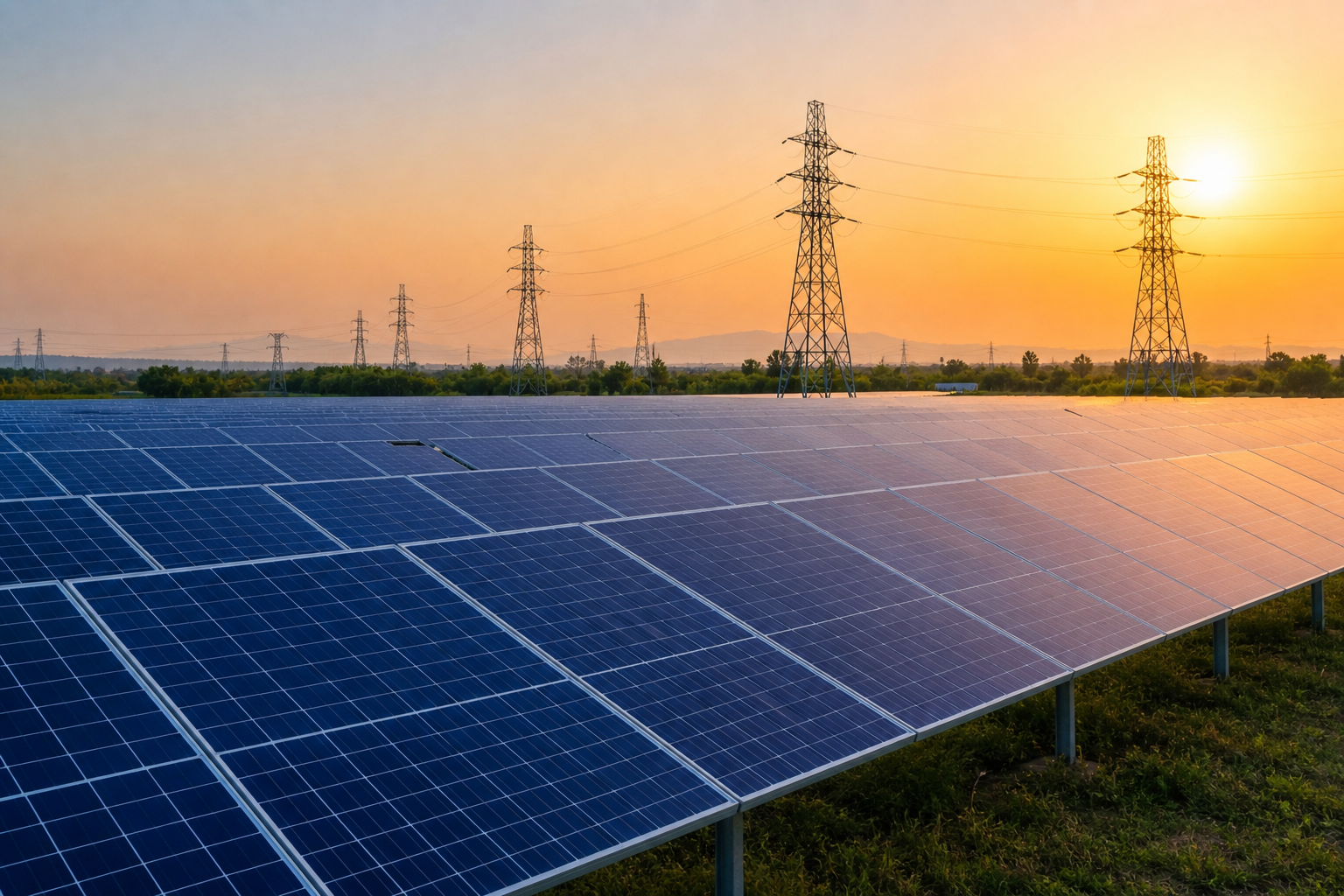
India’s electricity grid faced its toughest summer test yet in April. It passed.
As temperatures crossed 45 degrees Celsius in several states, national peak power demand touched a historic 256.11 gigawatts (GW) on April 25, the highest ever recorded in the country. Yet there was no major blackout, no widespread shortage, and no panic buying in the power market.
What changed was not the heat. It was the sun.
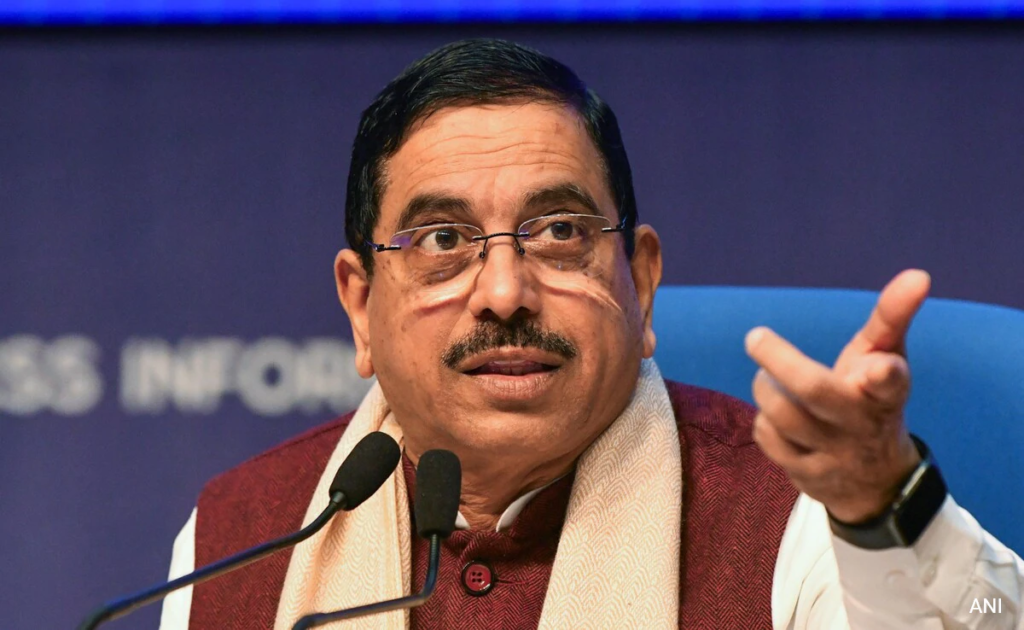
At the afternoon peak, solar generation contributed nearly 57 GW, while midday output climbed above 81 GW, supplying almost one-third of total electricity flowing into the grid. Union Power Minister Pralhad Joshi called it proof that renewable energy is now “a dependable pillar” of India’s summer electricity management.
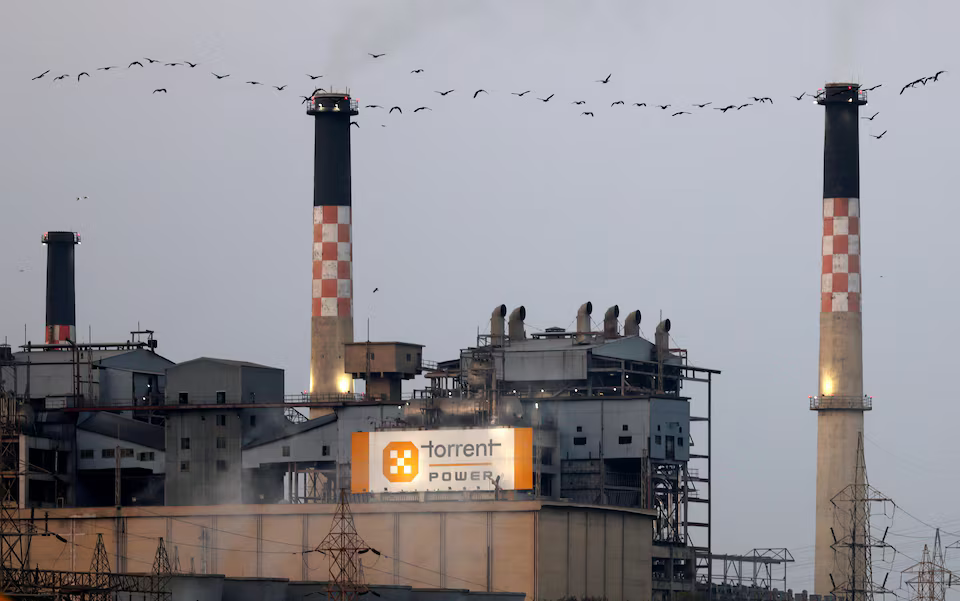
For years, India relied on coal stations to absorb sudden spikes in cooling demand. They still matter. Thermal plants supplied roughly 67% of the total generation mix in the quarter ended March. But this April showed a structural shift. Solar power carried the daytime burden when air-conditioners, commercial cooling systems and irrigation loads surged together.
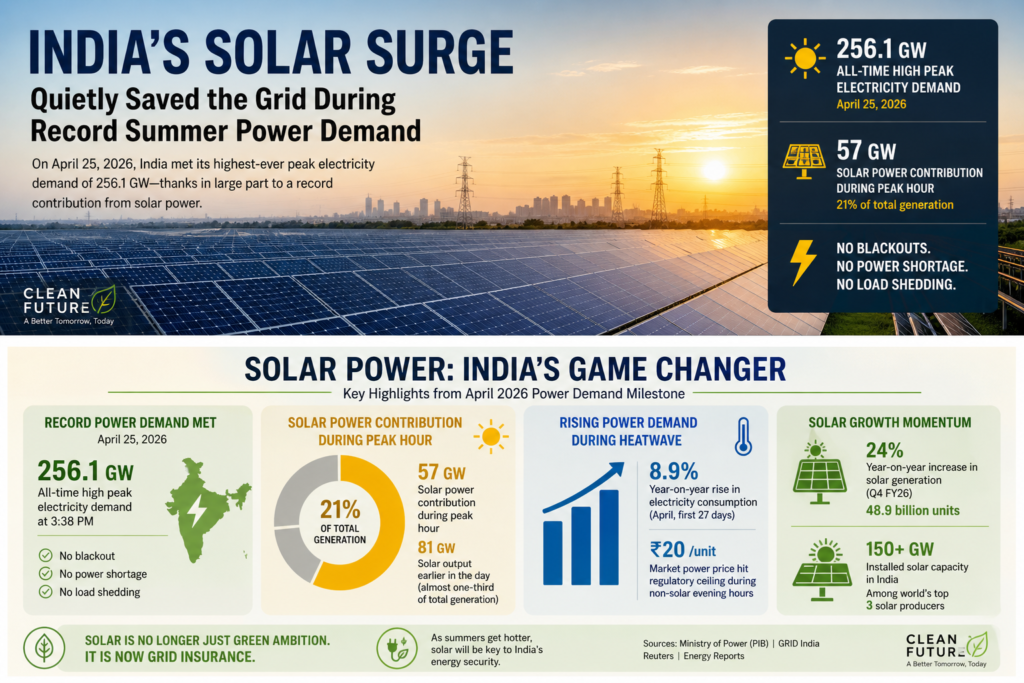
This matters because India’s power demand is only rising. Total electricity consumption in April rose to 153.99 billion units, up 4.04% year-on-year. Officials now expect peak summer demand to touch 270 GW before the monsoon offers relief.
The achievement is significant, but not complete.
Once the sun sets, the pressure returns to coal, hydro and costly spot market purchases. On several evenings last week, exchange-traded electricity prices hit the regulatory ceiling of ₹20 per unit, exposing the gap between daytime solar abundance and night-time supply stress.
That is India’s next energy challenge: not generation, but storage.
India has already built more than 100 GW of installed solar capacity and continues to add utility-scale projects at speed. Yet experts say battery systems, pumped hydro reserves and smarter demand-response networks will decide whether renewable success can become round-the-clock resilience.
April delivered an unmistakable signal. Solar power is no longer a climate accessory. It is now part of India’s grid survival toolkit.
Reference-Wikipedia, India Today, Reuters, Press Information Bureau, IANSlive