



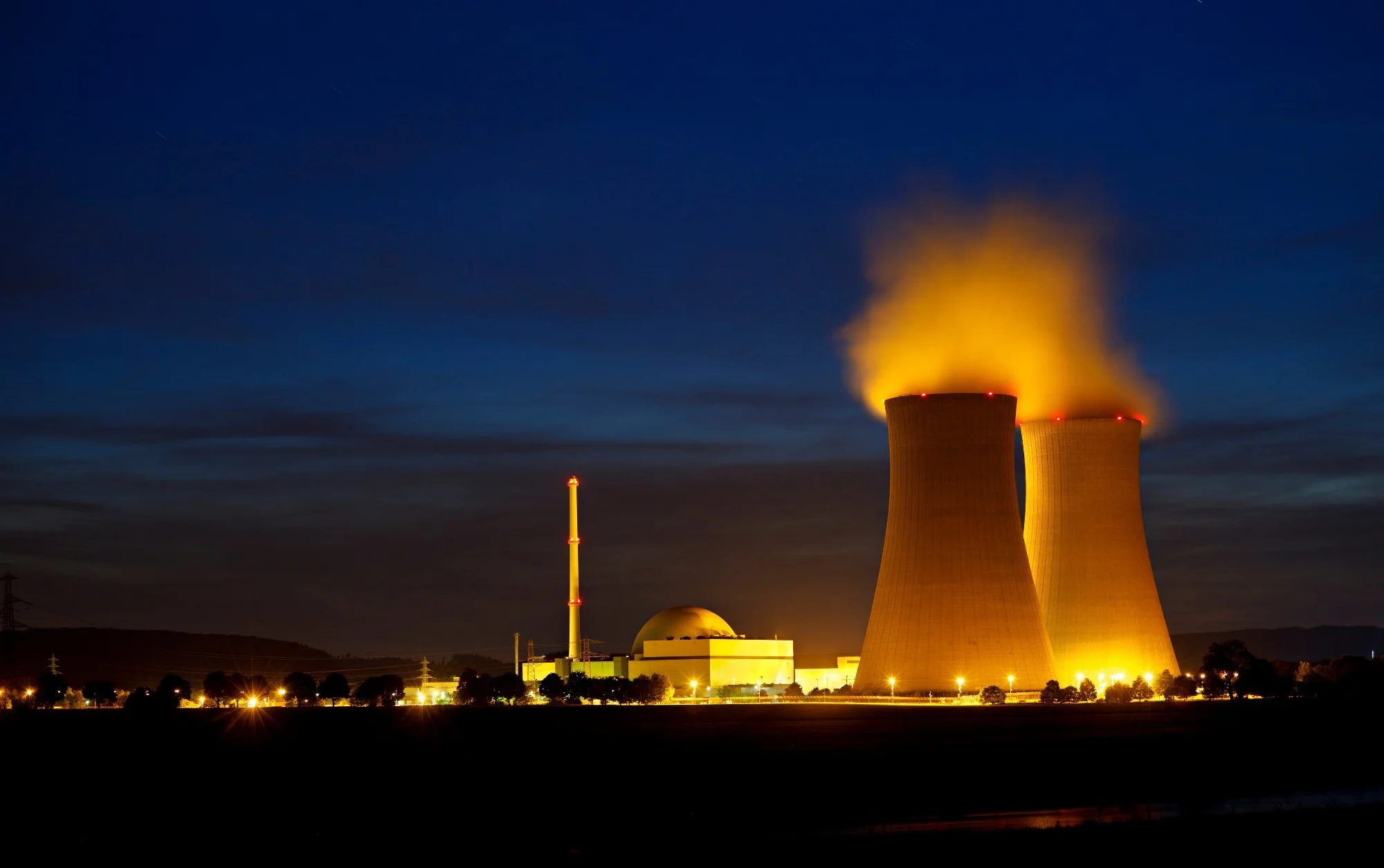
Nuclear power is returning to the global energy debate. Governments see it as a low-carbon solution to climate change. Yet a long-standing question remains. Does living near nuclear power plants increase cancer risk?
Recent research has reignited the discussion. A nationwide study led by scientists at the Harvard T.H. Chan School of Public Health analyzed U.S. counties located near nuclear power plants between 2000 and 2018. The findings were notable. Cancer death rates were higher in communities located closer to operating nuclear facilities, even after adjusting for smoking, income, healthcare access, and environmental conditions.
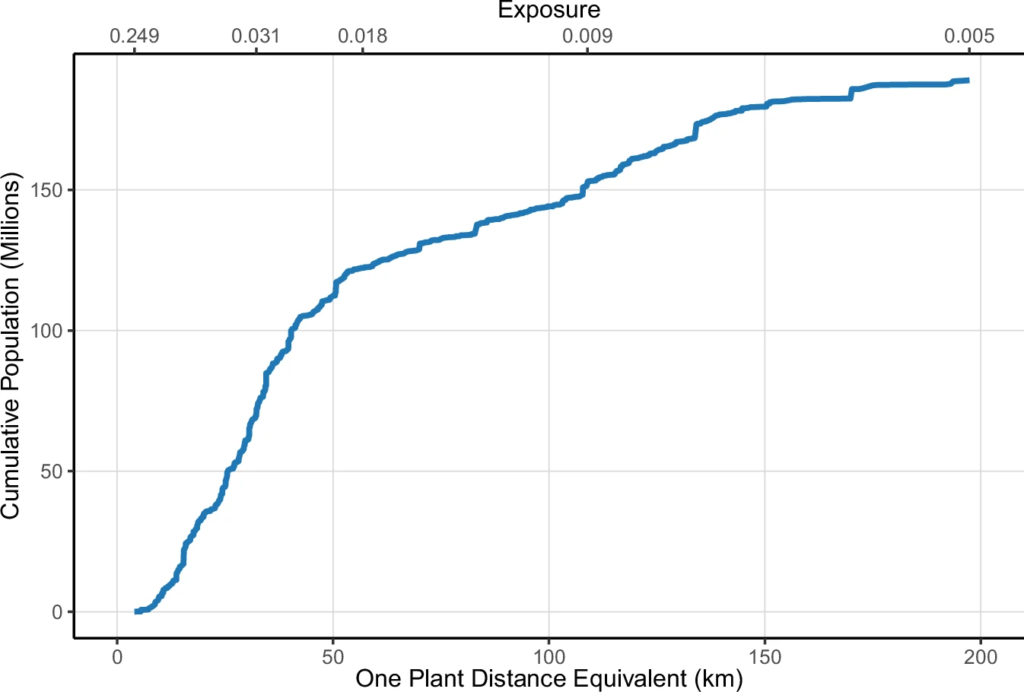
The study adds to a growing body of epidemiological work. A meta-analysis reviewing 47 studies across 17 countries examined health outcomes for 480,623 nuclear industry workers and more than 7.5 million residents living near 175 nuclear power plants. The results were mixed. Workers generally showed lower overall cancer risk but higher rates of mesothelioma. Residents living near plants, however, showed elevated risks for all cancers, thyroid cancer, and leukemia.
Still, scientists emphasize that the evidence remains complex. Nuclear plants operate under strict radiation limits. Under normal operations, radiation exposure for nearby populations is extremely low. In some studies, cancer mortality among nuclear workers was actually lower than the general population. Researchers often attribute this to the “healthy worker effect,” where employed populations tend to be healthier overall.
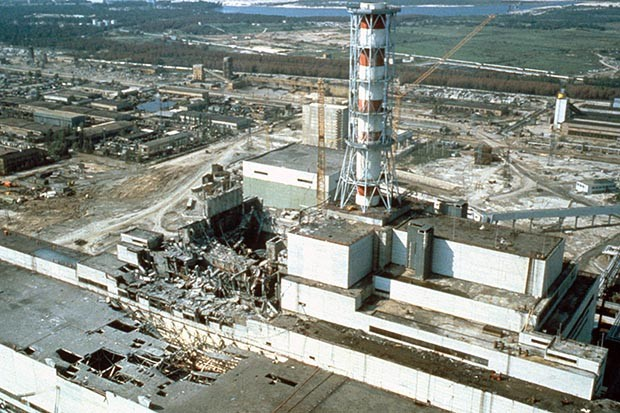
The largest health impacts from nuclear radiation have historically followed accidents. The 1986 Chernobyl disaster remains the most studied example. Hundreds of plant workers received high radiation doses. Many suffered acute radiation sickness. Long-term health monitoring has linked exposure to increased thyroid cancer, particularly among children exposed to radioactive iodine.
However, experts caution against oversimplifying the risk. Ionizing radiation can increase cancer probability. But the dose matters. Exposure near normally operating nuclear plants is typically thousands of times lower than the levels seen in major accidents.
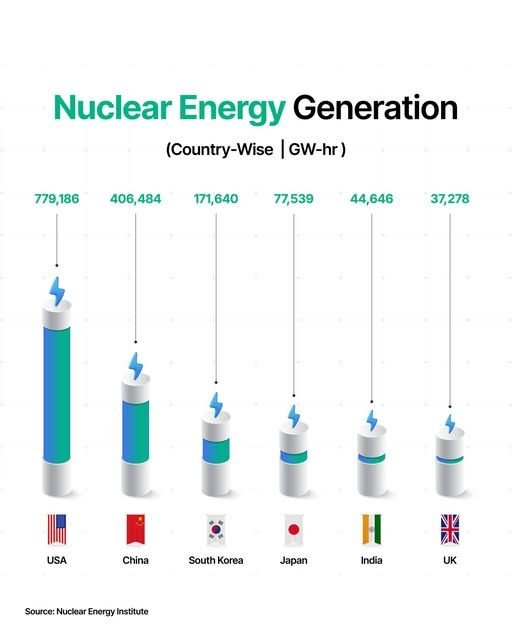
Public perception often diverges from scientific nuance. Nuclear energy carries an invisible risk. Radiation cannot be seen or smelled. Communities therefore demand stronger monitoring and transparency.
At the same time, the climate crisis is forcing difficult trade-offs. Nuclear power produces almost no operational carbon emissions. Global electricity demand continues to rise.
The debate is therefore shifting. It is no longer simply about nuclear safety. It is about balancing energy security, climate goals, and long-term public health. For policymakers, the message is clear. Nuclear energy may remain part of the clean-energy mix. Yet rigorous health monitoring must accompany its expansion.
Reference- Futurism, ScienceDaily, The Week, National Library of Medicine, CNN, Journal Nature Communications,