



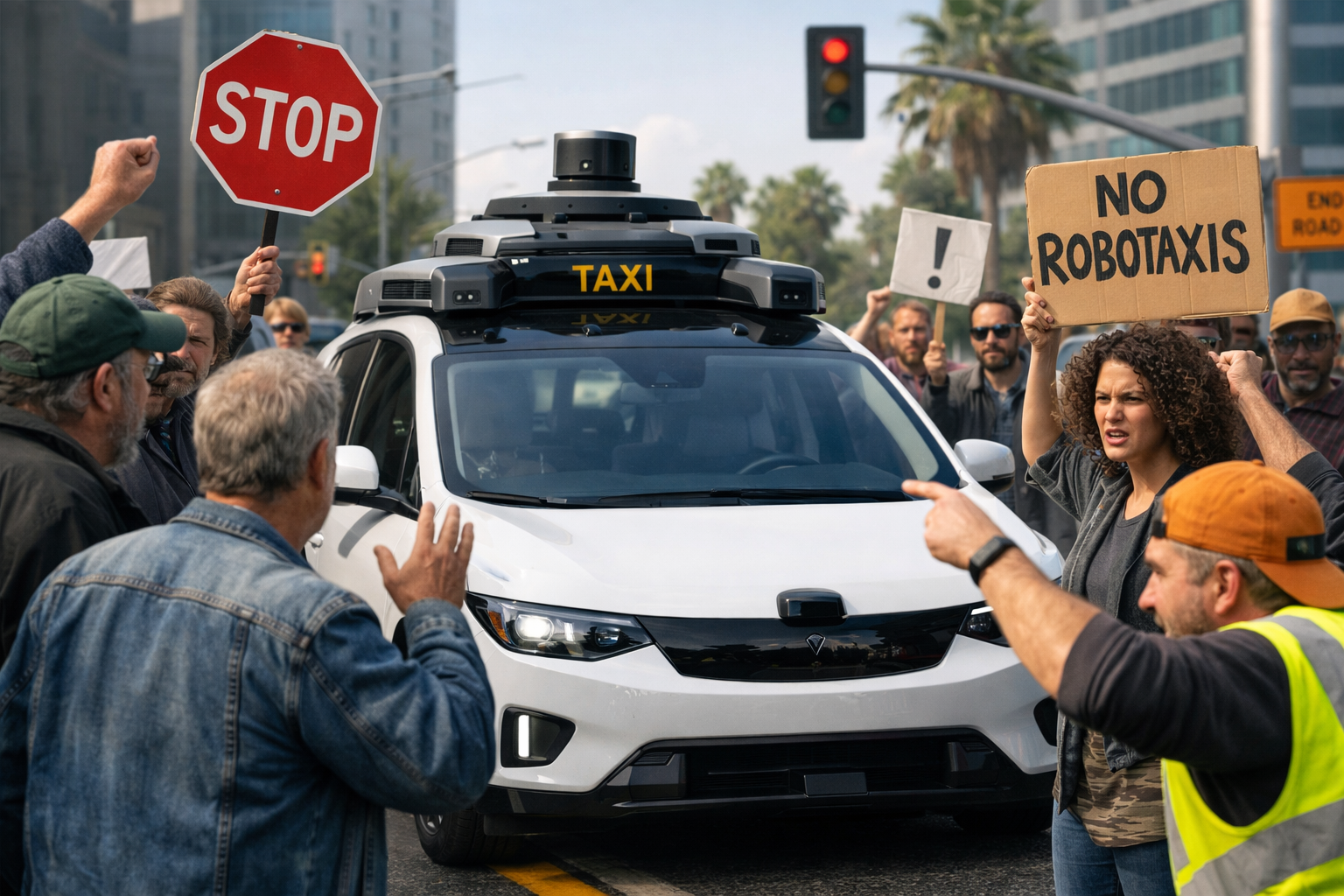
Self-driving taxis were once framed as the next revolution in urban mobility. Tech companies argued that autonomous vehicles would cut emissions, reduce crashes, and transform city transport. However, the rollout has met growing resistance from regulators, workers, and residents.
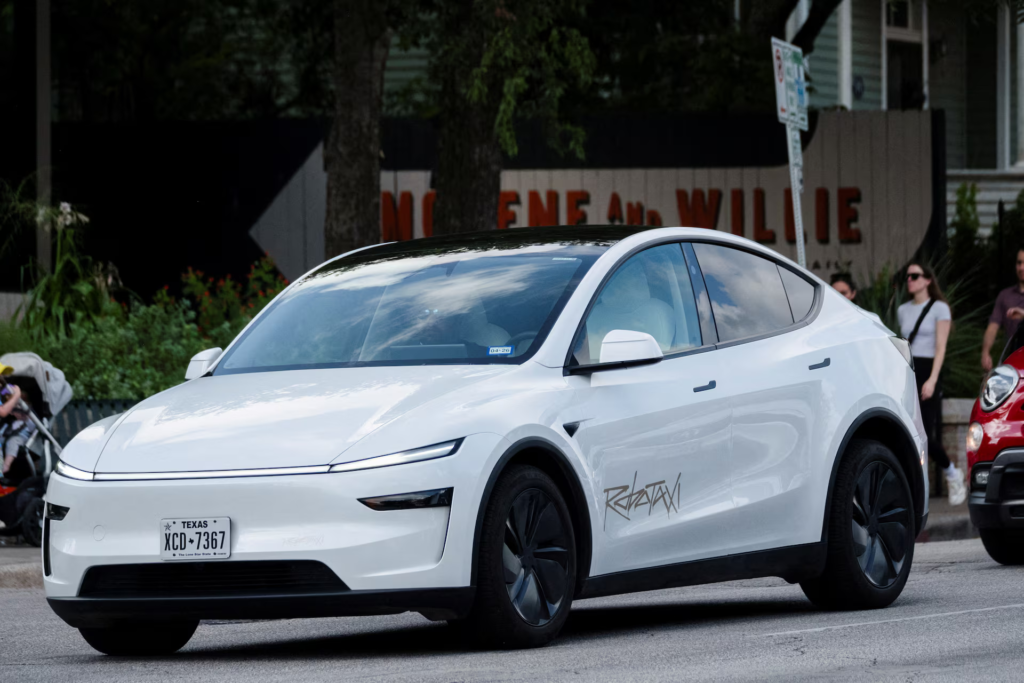
Robotaxis are vehicles that move passengers without a human driver using sensors, mapping, and artificial intelligence. Companies such as Waymo, Tesla, and Baidu have invested billions in this technology. In China alone, Baidu’s Apollo Go robotaxi service logged about 899,000 rides in a single quarter in 2024, pushing its lifetime total to around 7 million trips.
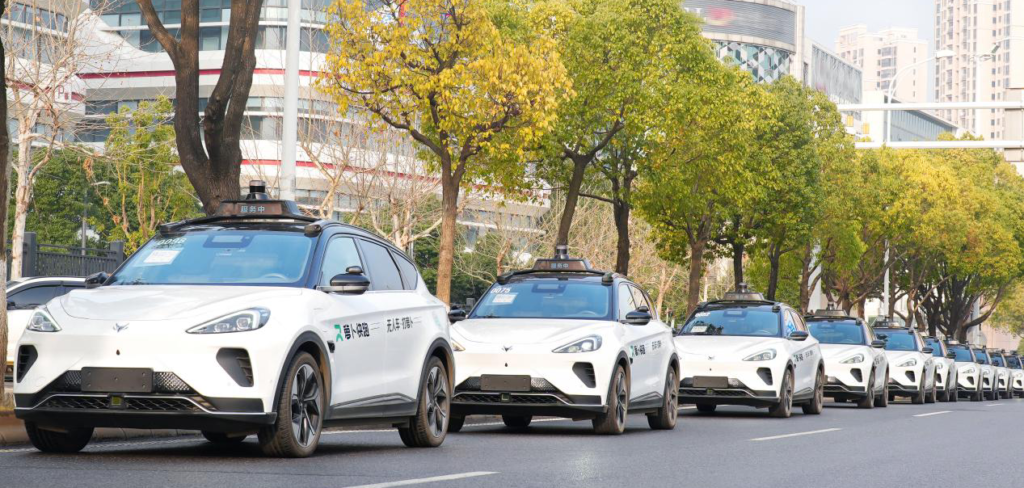
Yet enthusiasm has begun to collide with reality.
Safety concerns remain central to the backlash. Data from the U.S. National Highway Traffic Safety Administration shows Waymo vehicles were involved in roughly 1,512 incidents in autonomous mode reported by late 2025. Earlier reports also counted 150 crashes involving Waymo vehicles among automated driving systems.
Researchers and regulators are still debating the safety balance. A 2026 analysis noted that it remains unclear whether robotaxis are ultimately safer than human drivers across all conditions.
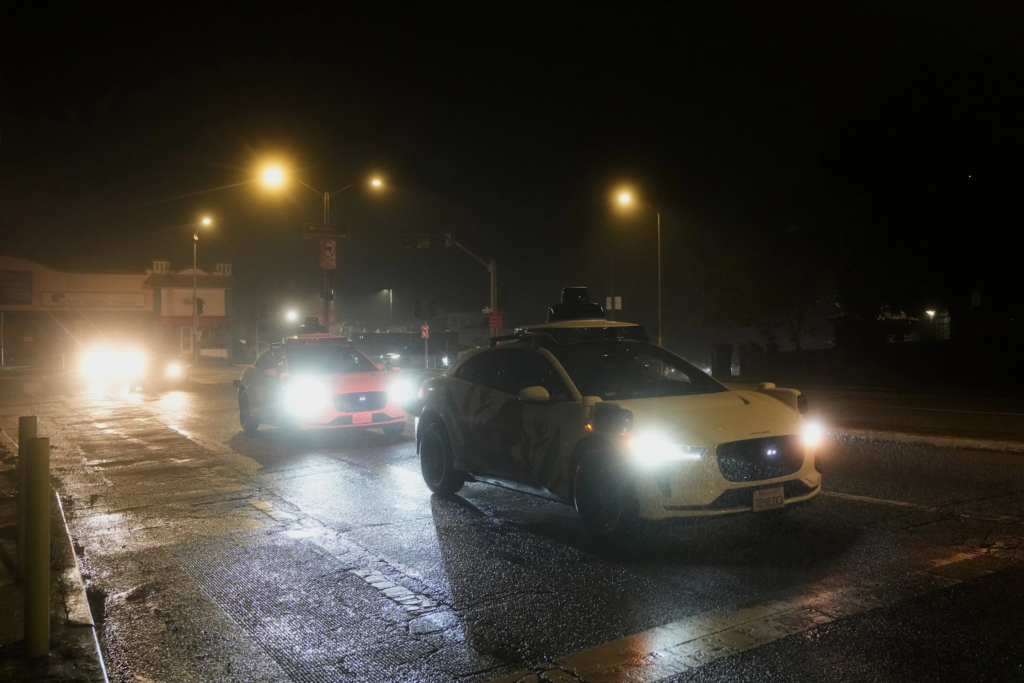
Recent incidents have intensified scrutiny. During a large power outage in San Francisco affecting about 130,000 homes and businesses, several driverless taxis halted in intersections after traffic signals failed. The disruption forced operators to temporarily suspend services while authorities managed the traffic chaos.
Technical glitches have also drawn attention. In some cases, autonomous vehicles failed to respond correctly to school buses, prompting investigations by federal safety authorities.
Despite these setbacks, developers insist the technology continues to improve. Academic research suggests autonomous systems may show lower crash rates under certain conditions when compared with human drivers, although findings remain limited and evolving.
Still, public skepticism is growing. Residents complain about vehicles blocking traffic or behaving unpredictably. Labor groups warn about potential job losses among drivers. Urban planners question whether robotaxis should replace public transit investment.
The result is a familiar pattern in emerging technologies. Innovation moves quickly, while regulation and public trust move slower.
Robotaxis could still reshape city transport. Yet the current backlash suggests that autonomy alone will not guarantee acceptance. For the technology to scale globally, companies must prove safety, reliability, and social value — not just technical capability.
Reference- Futurism, Bloomberg, Government Technology, Cornell University, AP News