



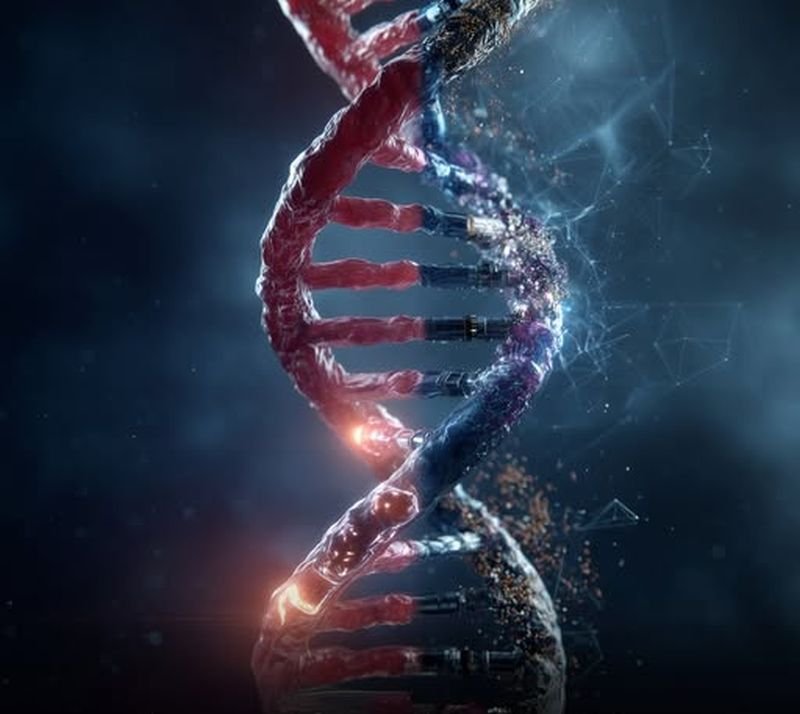
The digital revolution faces a physical wall. Traditional silicon-based data centers now consume massive amounts of electricity. The International Energy Agency (IEA) predicts data center energy use could double by 2026. This trajectory is unsustainable for a planet in crisis. However, a Swiss startup named FinalSpark offers a radical, biological alternative.
The Rise of the Biocomputer
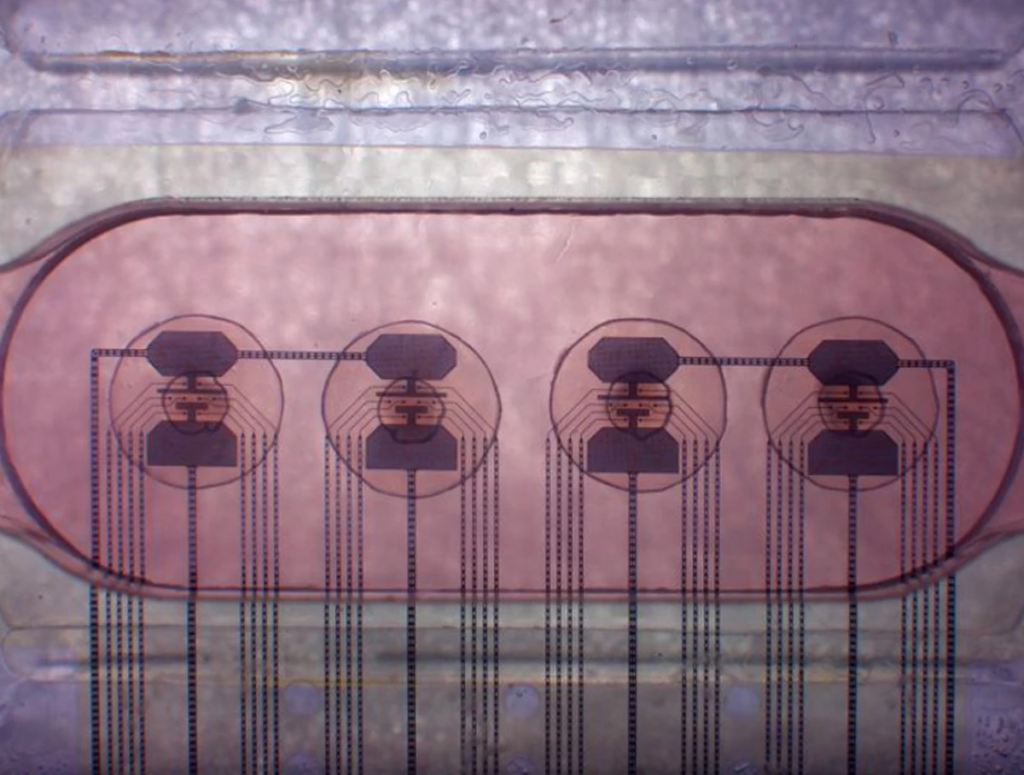
FinalSpark has launched the world’s first “Neuroplatform.” This system runs on human brain organoids rather than silicon chips. These are small, lab-grown masses of living neurons. Currently, the platform utilizes 16 brain organoids. Scientists house these clusters in a sophisticated life-support system.
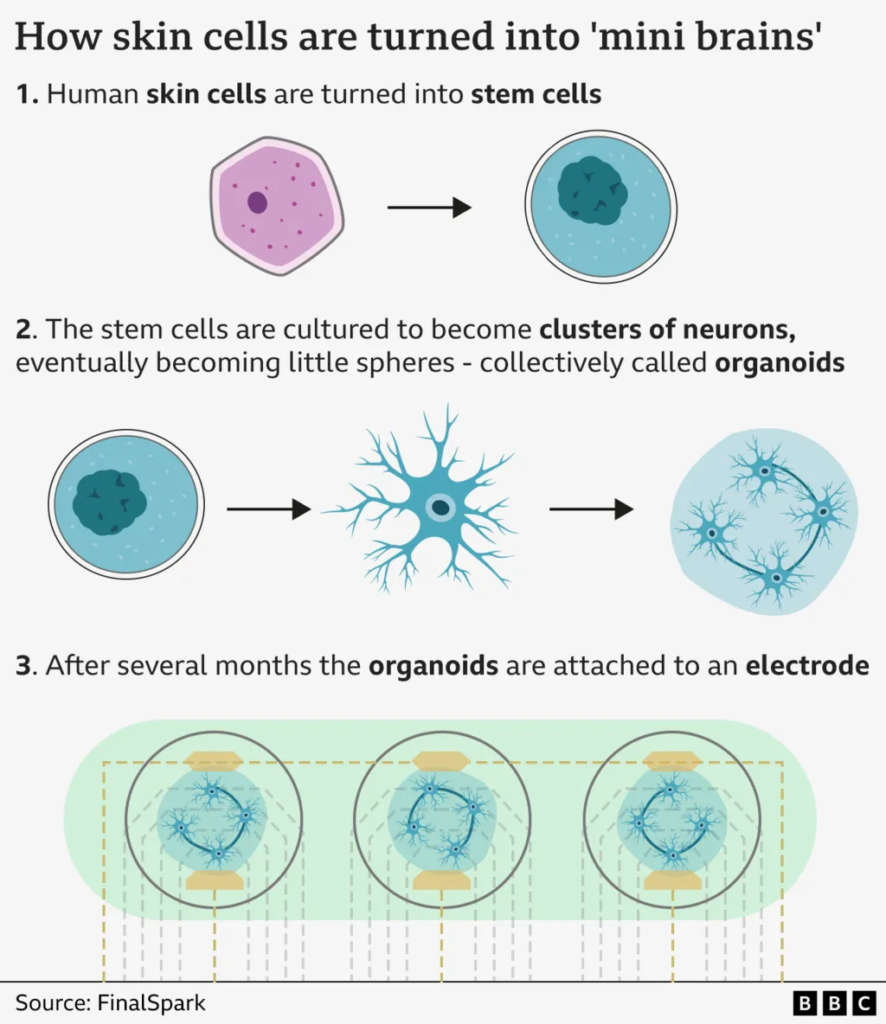
These living computers perform tasks similar to traditional AI. Researchers use dopamine to reward the cells, mimicking human learning. According to Frontiers in Science, this field—known as Organoid Intelligence (OI)—could surpass the limits of silicon.
Efficiency Beyond Silicon
The environmental argument is compelling. Traditional AI training is carbon intensive. Training a single large language model can emit nearly 300,000 kilograms of CO2. In contrast, biological neurons are incredibly efficient.
The human brain operates on approximately 20 watts of power. FinalSpark claims their bioprocessors consume nearly one million times less energy than digital processors. This shift could redefine the “Clean Future” of technology.
“The biological brain has an amazing capacity for parallel processing,” notes Dr. Thomas Hartung of Johns Hopkins University in Nature. His research confirms that biocomputing could handle complex logic with a fraction of the thermal output seen in modern GPU clusters.
The Ethical and Technical Frontier
Challenges remain. Living cells currently survive for only about 100 days. The system requires constant biological maintenance. Furthermore, the ethical implications of using human-derived tissue remain a topic of intense debate among the scientific community.
We stand at a crossroads. As AI demand grows, the energy grid groans under the weight of silicon. Biocomputing offers a path toward a truly green digital infrastructure. If FinalSpark can scale this “wetware,” the future of intelligence may not be manufactured. It might be grown.
Reference- Futurism, BBC, National Geographic, Frontiers in Science, FinalSpark website