



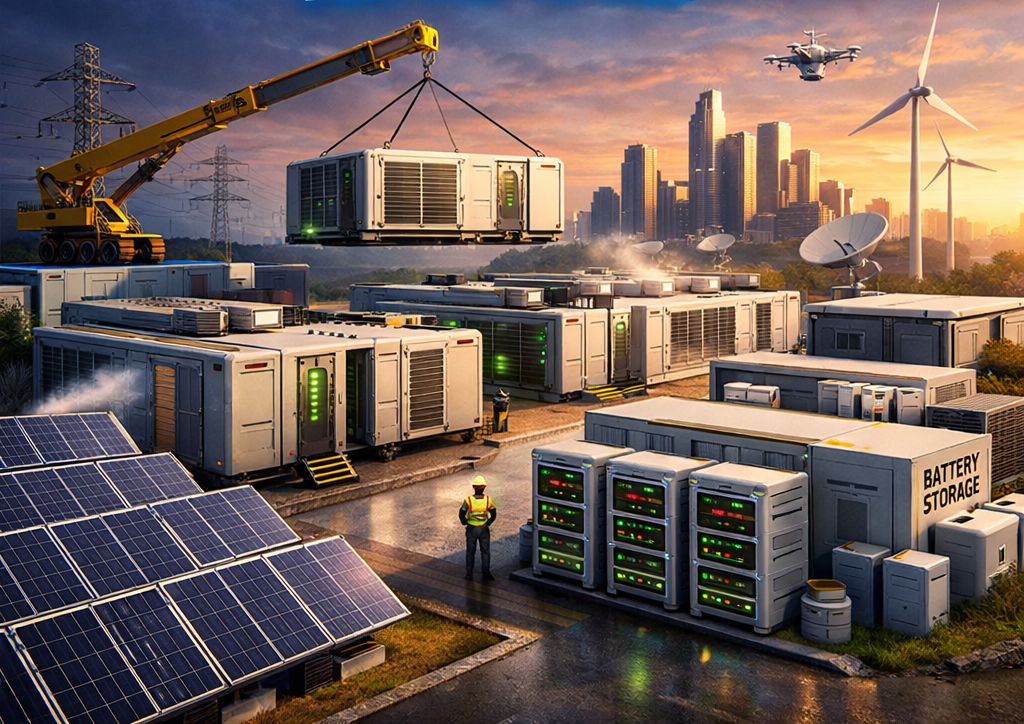
The global race to build artificial intelligence (AI) infrastructure is colliding with a hard truth: traditional data centers are too slow, too energy-intensive, and too dependent on strained power grids. A new model—modular, solar-powered data centers—is emerging as a viable alternative.
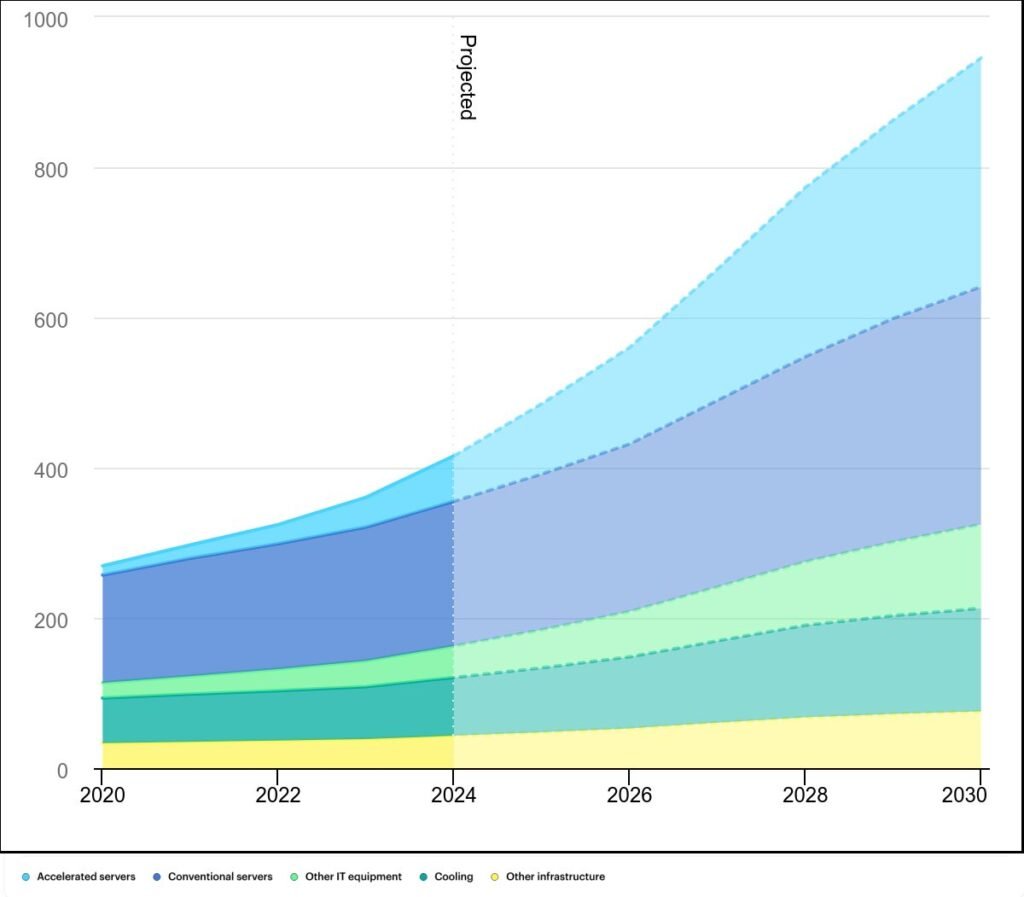
Data centers already consume massive resources. The International Energy Agency estimates their electricity demand could more than double within five years. By 2030, they may account for nearly 9% of U.S. power use. AI workloads largely drive this surge and can require up to 10 times more electricity than conventional computing.
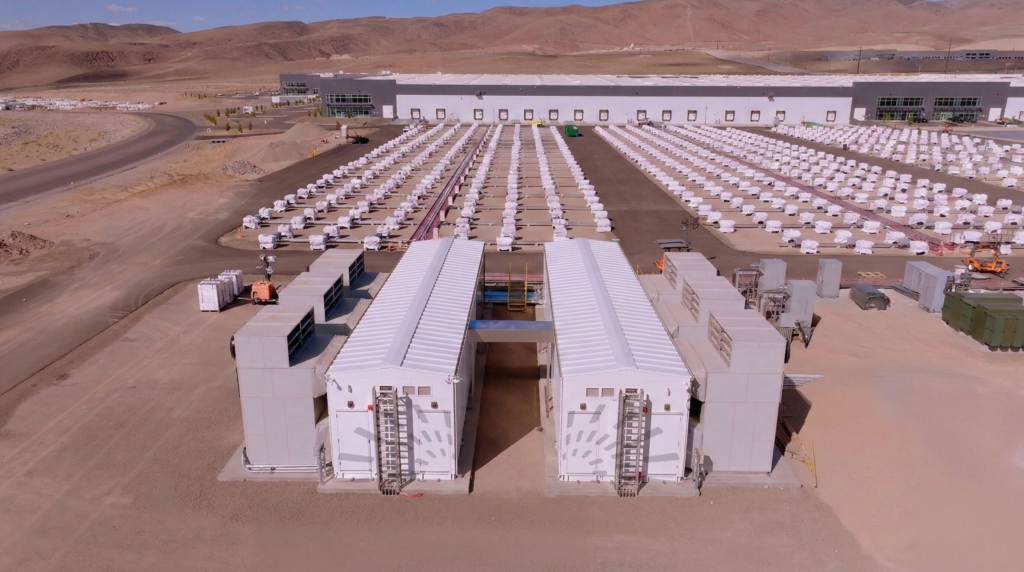
So instead of waiting years for grid connections, companies are deploying factory-built, modular data centers powered by on-site solar energy and battery storage. These systems install in months, not years, and dramatically accelerate deployment timelines.
At the core of this transition is energy independence. Solar-powered microgrids allow operators to bypass grid bottlenecks and reduce exposure to volatile electricity prices. Solar energy also offers a key advantage—its fuel cost is effectively zero. When paired with advanced storage, including repurposed EV batteries or thermal systems, these setups can deliver reliable, round-the-clock power.
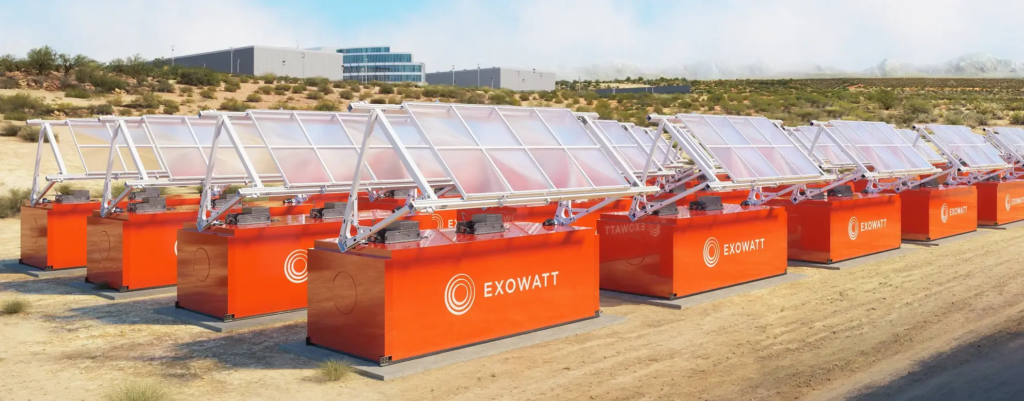
Companies like Exowatt are pushing this model further. Their modular systems can provide up to 24 hours of dispatchable solar energy, addressing the intermittency challenge that has long limited renewables. This is crucial as AI infrastructure demands constant uptime.
Speed is another decisive factor. Traditional data center construction can take years due to permitting, land acquisition, and grid upgrades. Modular systems, built in factories and assembled on-site, compress timelines to as little as three months. That speed could determine which regions lead in the AI economy.
Yet challenges remain. Cooling systems alone can consume up to 37% of a data center’s energy. Water usage is also rising sharply, with AI-related demand projected to reach significant global levels by 2027. Without innovation, sustainability gains risk being offset by scale.
Still, the direction is clear. Modular, solar-powered data centers offer a path to faster deployment, lower emissions, and greater resilience. As AI demand accelerates, the industry may have little choice but to embrace this new blueprint.
Reference- Fast Company, Crusoe website, Redwood Materials website, Reuters