



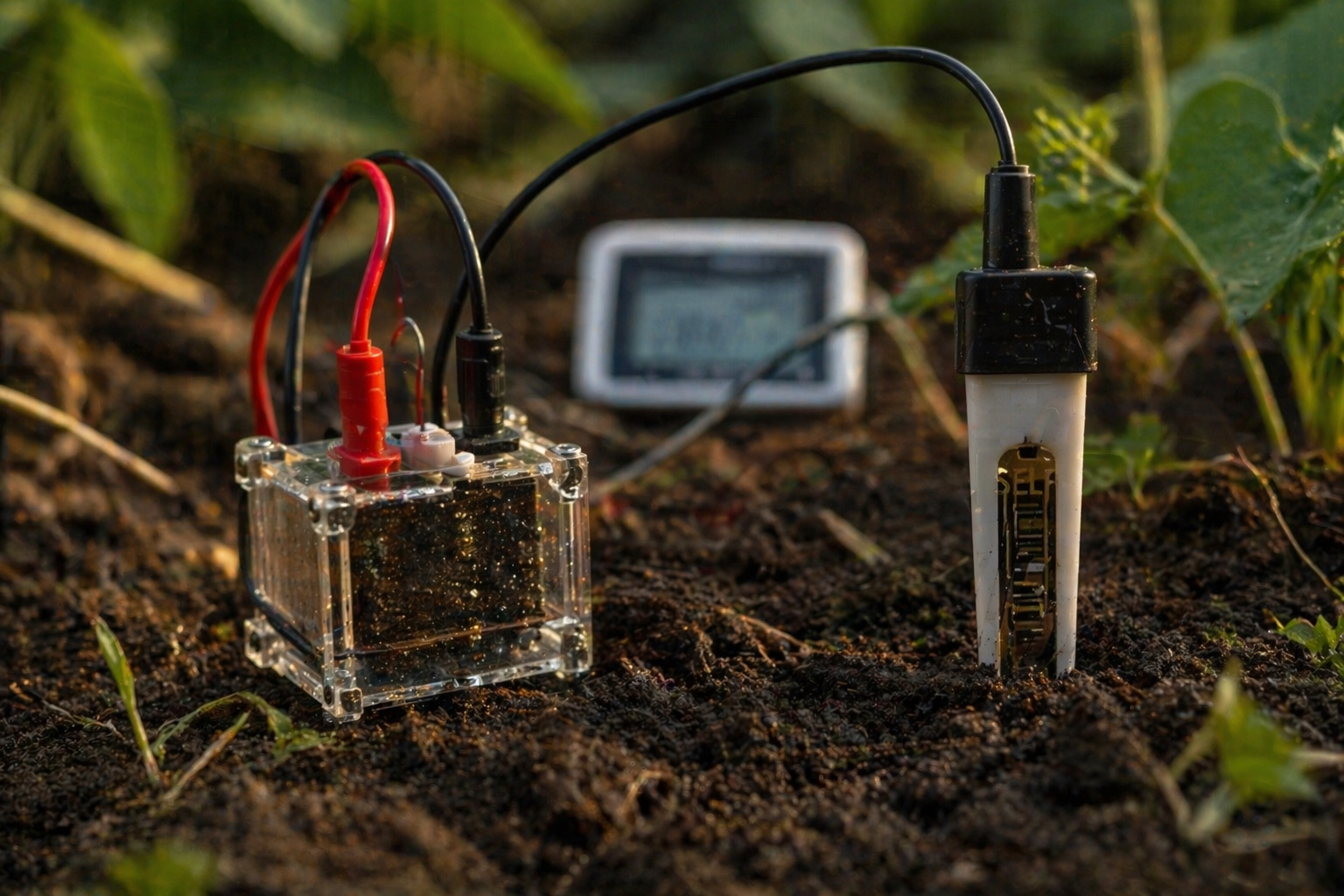
In a world chasing batteries and rare minerals, scientists are turning to an unlikely source: soil. A new study shows that electricity can be generated directly from dirt—without batteries, wires, or sunlight. The implications are significant, though still emerging.
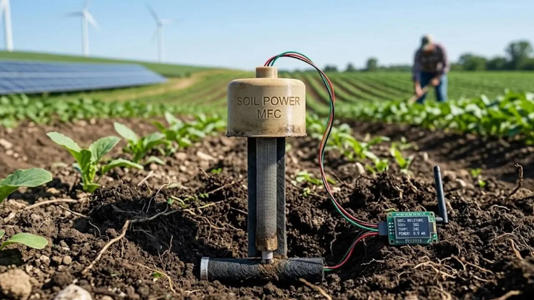
Researchers at Northwestern University have developed a microbial fuel cell that taps energy from naturally occurring soil bacteria. These microbes break down organic matter and release electrons. The device captures that flow to generate small but steady electricity.
The system is simple in concept. However, its impact could be broad. The prototype, about the size of a book, can power underground sensors used in agriculture and environmental monitoring. It works in both dry and wet conditions. It also runs without maintenance for long periods.
Microbial fuel cells are not new. Scientists have studied them since the 20th century. These systems convert chemical energy into electricity using microorganisms. They are especially suited for low-power applications such as wireless sensors.
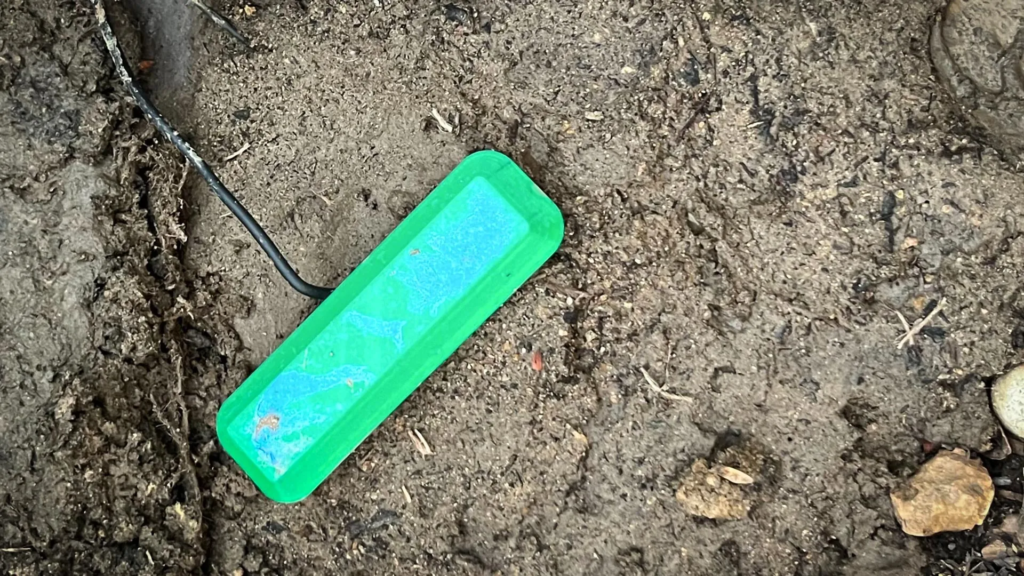
Yet this latest design marks a shift. Traditional batteries contain toxic materials and depend on global supply chains. By contrast, soil-based systems rely on abundant natural processes. As one report notes, the technology could “replace standard batteries” in some use cases.
The numbers are modest but meaningful. These fuel cells generate small amounts of electricity—enough to run sensors, moisture monitors, or IoT devices. In precision farming, such devices track soil health and water levels in real time. This can improve yields while reducing resource use.
However, challenges remain. Power output is low. Scaling the technology for larger applications will take time. Researchers must also improve durability and cost efficiency before widespread adoption becomes viable.
Still, the direction is clear. As the world confronts e-waste and energy access issues, decentralized solutions are gaining traction. Soil-powered devices could reduce battery waste and expand connectivity in remote regions.
This innovation may not replace traditional energy systems. But it reframes the future of power. Energy, it turns out, may already be beneath our feet—quietly generated by nature itself.
Reference- ScienceDaily, Popular Science, Northwestern University