



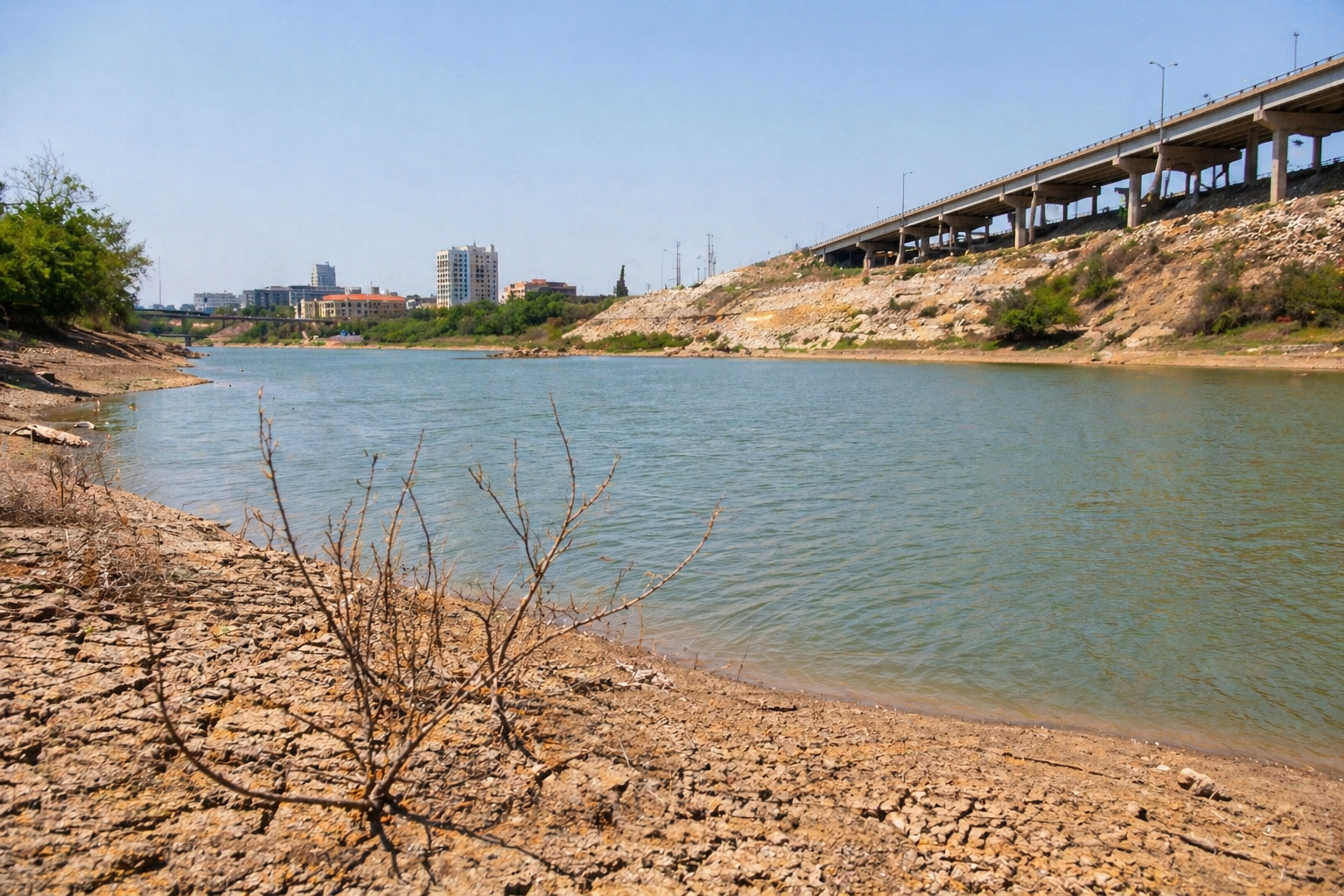
The climate crisis is no longer a future projection. It is arriving through dry taps.
In Texas, one of America’s fastest-growing states, water scarcity is rapidly moving from warning to emergency. In particular, South Texas city Corpus Christi, home to nearly 500,000 residents, now faces the prospect of severe municipal shortages after years of drought, overuse, and rising industrial demand. Reservoirs feeding the city have fallen to nearly 8% capacity, according to regional reports.
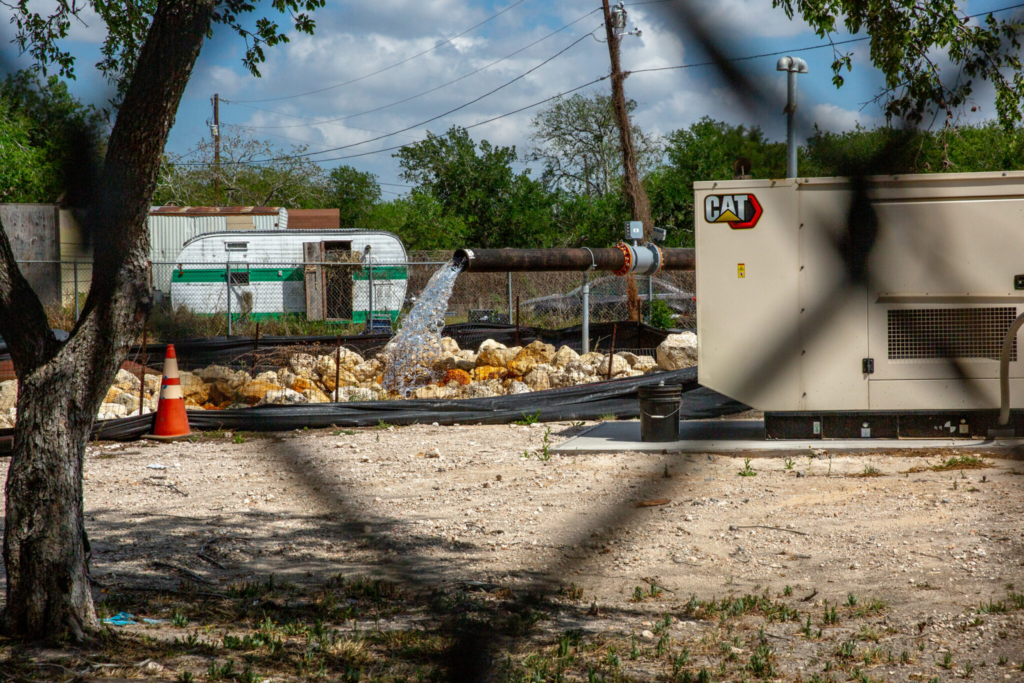
Scientists say this is not an isolated event. It is a preview.
A recent analysis shows that hotter temperatures, erratic rainfall, and unchecked groundwater pumping are draining aquifers across Texas faster than natural recharge can replace them. Emergency wells are being drilled, but many experts call that a temporary fix rather than a solution.
“People are probably gonna be running out of water,” one South Texas resident warned as private wells began showing stress.
This story sounds uncomfortably familiar in India.
India supports nearly 17% of the global population with just 4% of the world’s freshwater resources. Government-backed assessments show that about 600 million Indians already face high to extreme water stress. Per capita water availability has slipped into the water-stressed zone and continues to decline.
The deeper concern lies underground.
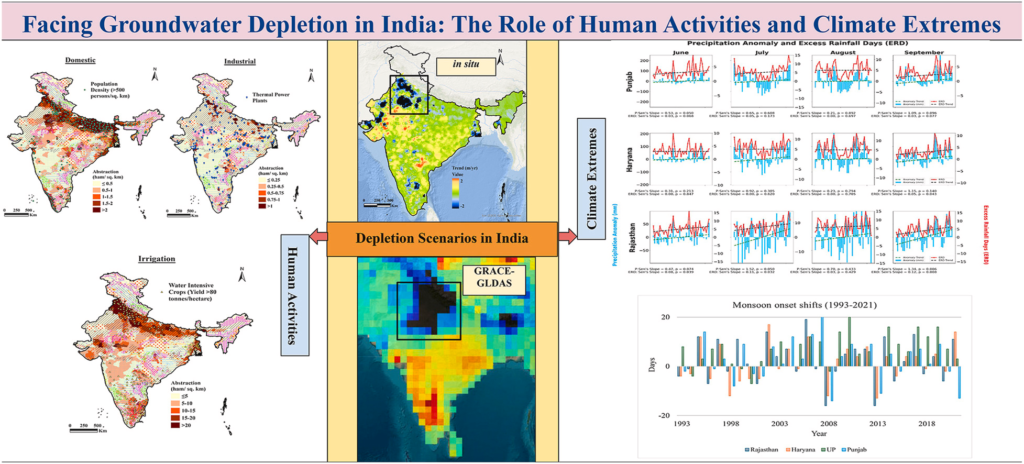
India is now the world’s largest extractor of groundwater, using roughly 246 billion cubic metres annually. Moreover, new scientific reviews show severe depletion in Punjab, Haryana, Uttar Pradesh, Rajasthan and parts of peninsular India. In fact, in some hotspots, groundwater levels are falling by up to 46 centimetres a year.
Texas reveals what happens when climate pressure meets policy delay.
Cities grow. Industries expand. Agriculture keeps pumping. Then reservoirs shrink, aquifers dip, and governments scramble for emergency infrastructure that should have been built years earlier. Water systems are stressed only after the crisis becomes visible.
That passive pattern is dangerous.
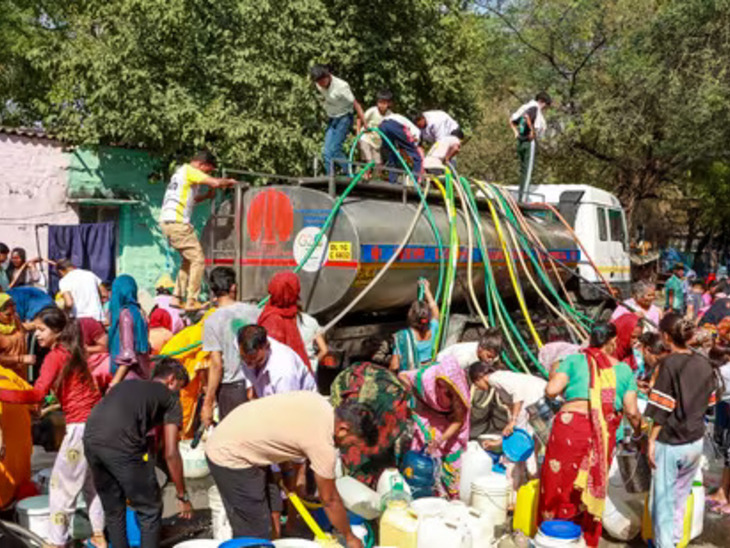
India’s urban centers—from Bengaluru to Chennai to Delhi—already face similar risks. Monsoon dependence remains high, recharge zones are shrinking, and heatwaves are intensifying evaporation losses. Climate change does not create every shortage. But it makes every management failure costlier.
Texas is not merely America’s water warning. It is a mirror for every developing economy still assuming that groundwater is endless.
Reference- Texas Tribune, NITI Aayog, CGWB, scientific groundwater studies