




A new book from Princeton University Press argues that environmental protection cannot succeed through technology and regulation alone. The Environmental Republic: Why Citizens Will Save the World by Giulio Boccaletti says democratic societies must rebuild a sense of collective responsibility to tackle climate risks and ecological decline.
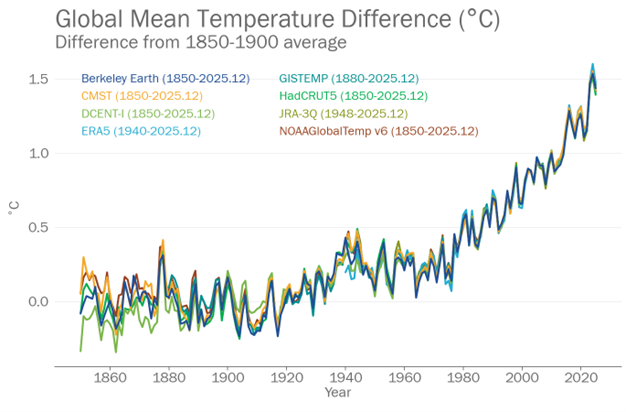
The book arrives as climate pressures intensify worldwide. According to the United Nations Environment Programme, global greenhouse gas emissions must fall by 42% by 2030 to keep warming near 1.5 degrees Celsius. Meanwhile, the World Meteorological Organization confirmed that 2025 was among the hottest years ever recorded globally. Environmental governance is now moving from a scientific debate into a political and economic challenge.
Boccaletti’s argument centers on the idea of an “environmental republic.” The concept re-frames environmental stewardship as a civic duty rather than a restriction on economic freedom. This is a bold new conception of the republic for a planet in crisis.

The thesis echoes earlier academic work from Princeton scholars. Political theorist Melissa Lane said sustainable societies rely on citizens aligning personal actions with collective environmental goals. Her work connected environmental ethics with political responsibility and social behavior.
Researchers increasingly agree that institutions alone cannot solve climate instability. A 2024 study on India’s climate governance framework noted that policies remain fragmented and require stronger public participation and coordination mechanisms.
The debate is also widening beyond carbon emissions. Scientists studying environmental systems warn that ecological “tipping points” could reduce human well being and economic resilience if governance systems fail to adapt quickly enough.
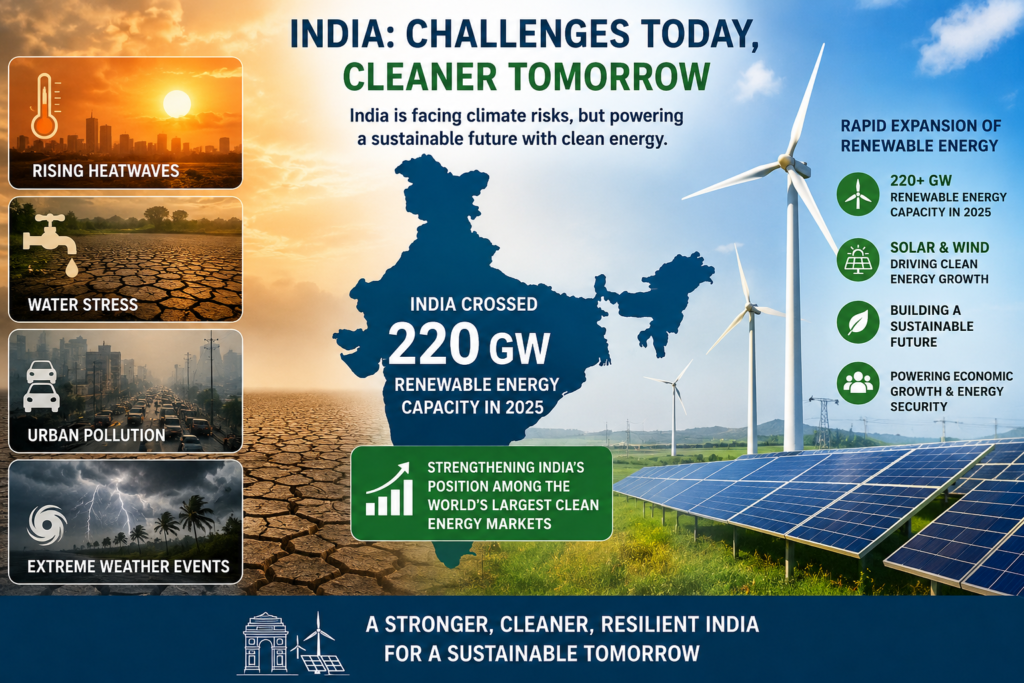
For India, the discussion has growing relevance. The country faces rising heatwaves, water stress, urban pollution, and extreme weather events. Yet India is also expanding renewable energy deployment rapidly. Government data shows India crossed 220 GW of renewable energy capacity in 2025, strengthening its position among the world’s largest clean energy markets.
Books like The Environmental Republic may influence how policymakers, businesses, and citizens frame the next phase of climate action. The larger message is clear: environmental sustainability may depend as much on civic culture as on scientific innovation.
Reference- The Environmental Republic – Princeton University Press, Mercom India, World Meteorological Organization, Down To Earth