



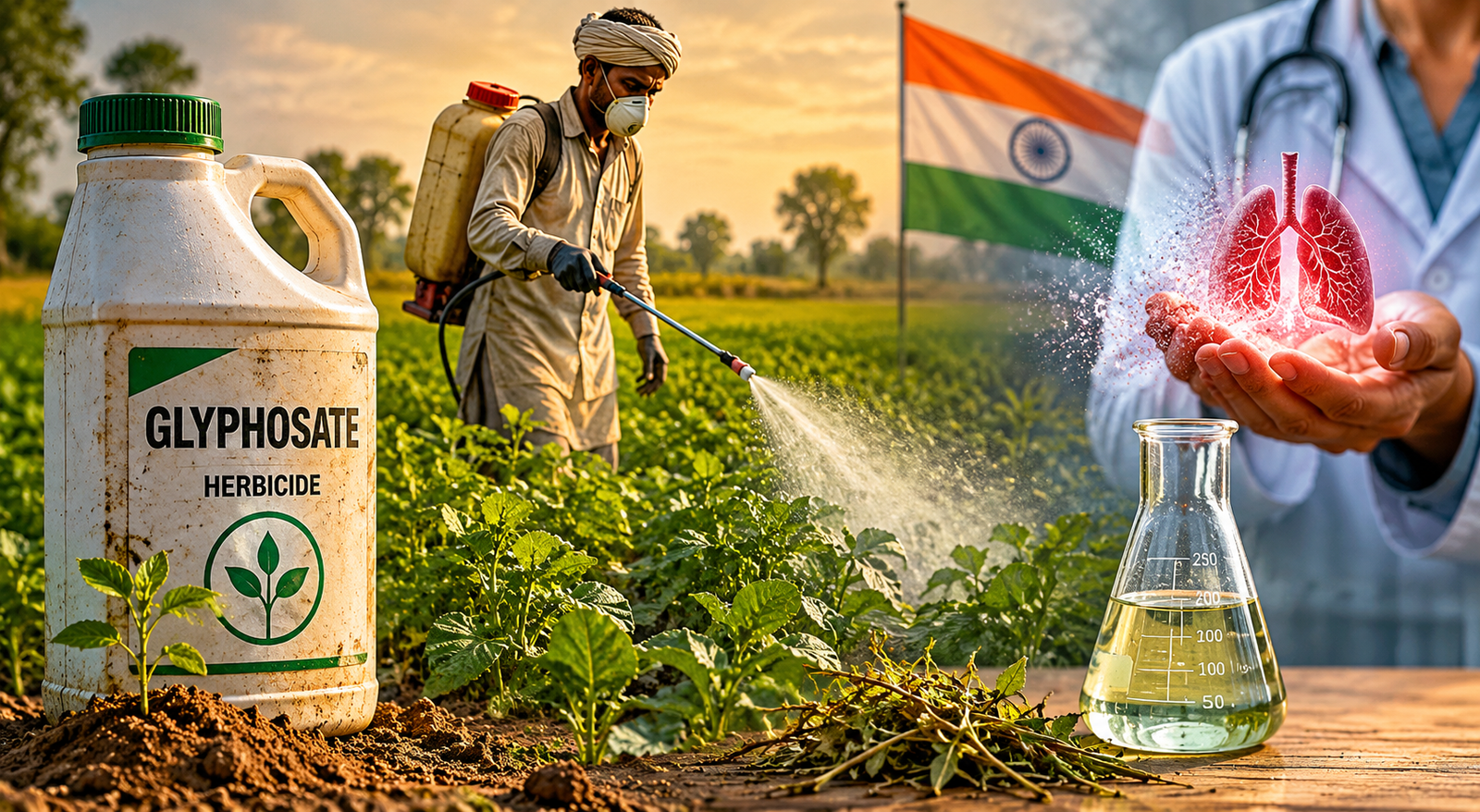
Glyphosate is back in the conversation in India, and this time, the stakes feel higher than ever.
You’ve probably heard the name before, maybe on a pesticide label or in a news headline. It’s the world’s most widely used herbicide, the active ingredient in Bayer’s Roundup, and it’s been sprayed on crops globally since the 1970s.
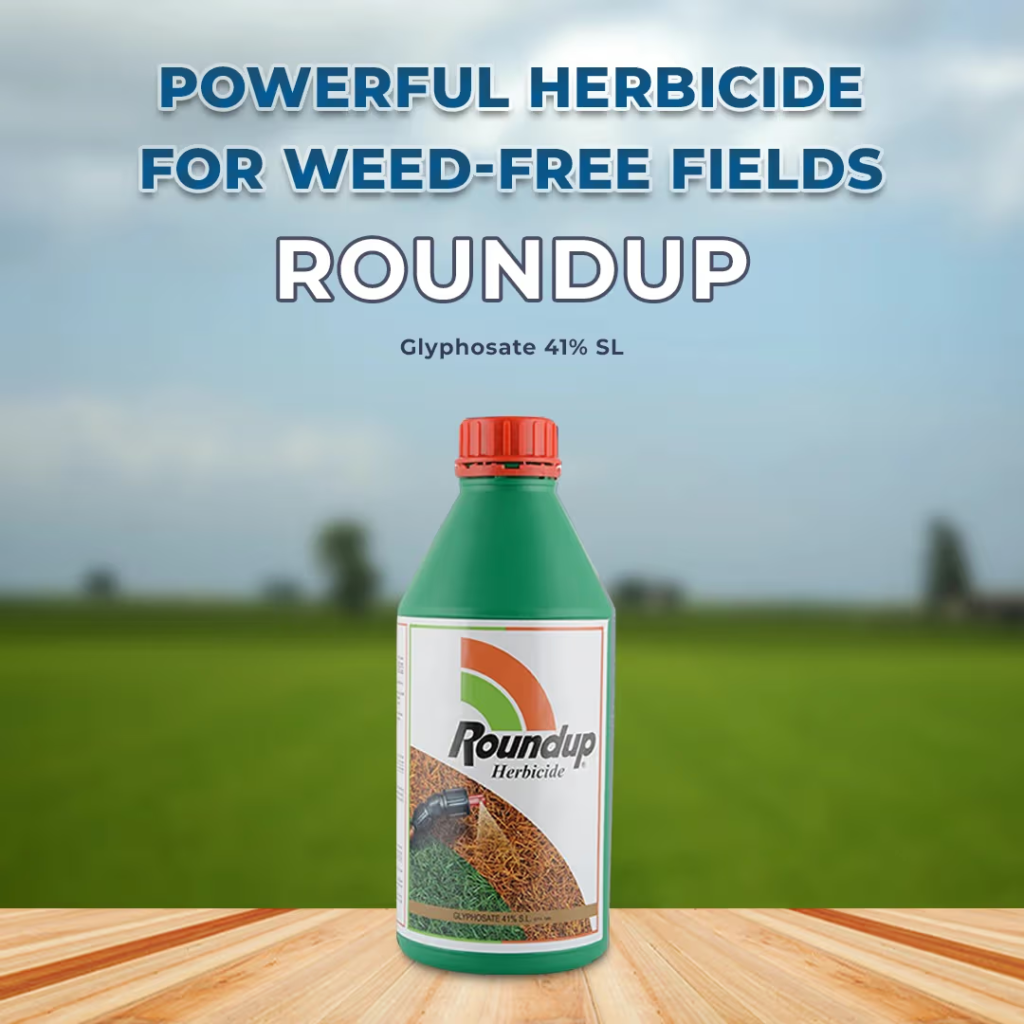
For millions of Indian farmers, it’s practically a lifeline. It kills weeds fast, cuts down on labor costs, and makes managing large fields a whole lot more practical in a country where farming supports nearly 43% of the workforce.
But here’s where things get complicated.
The U.S. Environmental Protection Agency says glyphosate is safe when used correctly. Their review covered more than 15 carcinogenicity studies, and their conclusion was clear — it’s “not likely to be carcinogenic to humans.” Bayer goes even further, pointing to over 2,400 studies that back the chemical’s safety record.
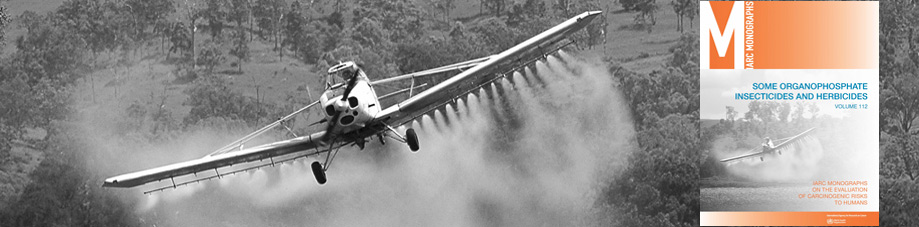
Then came 2015. The IARC, which is the cancer research arm of the World Health Organization, looked at the same chemical and landed on a very different conclusion. They classified glyphosate as “probably carcinogenic to humans.” Their concern? Links to non-Hodgkin lymphoma and solid evidence of genotoxicity — meaning it may damage DNA. Worth noting, though, that the IARC reviewed eight animal studies compared to EPA’s larger pool, which is part of why the two bodies reached such different conclusions.
Meanwhile, in Indian fields, use has been growing steadily. Punjab, Haryana, and Maharashtra have seen a sharp rise in glyphosate application, especially in cotton, soybean, and tea cultivation. The market could cross $400 million by 2028. That’s not a small number.
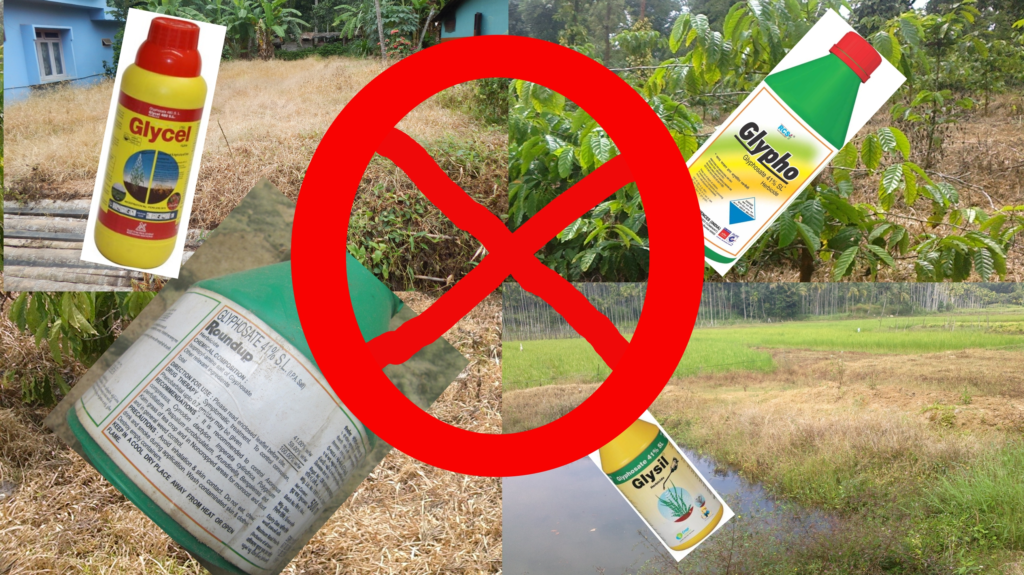
Kerala was among the first to push back. The state restricted glyphosate use back in 2015 after farming communities reported health concerns linked to pesticide exposure. Environmental groups have been raising alarms too, warning that heavy herbicide use can quietly devastate soil biodiversity and encourage resistant superweeds over time.
The legal battles elsewhere haven’t helped Bayer’s image either. The company has paid billions in U.S. Roundup lawsuit settlements, adding real-world weight to the scientific dispute.
So where does that leave India?
Policymakers are caught between two very real pressures. Ban glyphosate outright, and you risk driving up farming costs and squeezing productivity in an already stretched agricultural sector. Allow unrestricted use, and the long-term health and environmental consequences could be serious — and largely borne by the farmers who have the least power to protect themselves.

Experts aren’t calling for an outright ban. What they’re pushing for is smarter oversight — stricter residue monitoring, better farmer training, and clear usage guidelines that actually reach the ground level.
The glyphosate debate was never really just about one chemical. It’s a window into a much bigger tension: how do you feed a billion people sustainably, without compromising the health of the people growing the food?
That’s a question India can’t afford to keep kicking down the road.
Reference- Earth Day Network, Press Information Bureau, World Health Organization, Down To Earth