



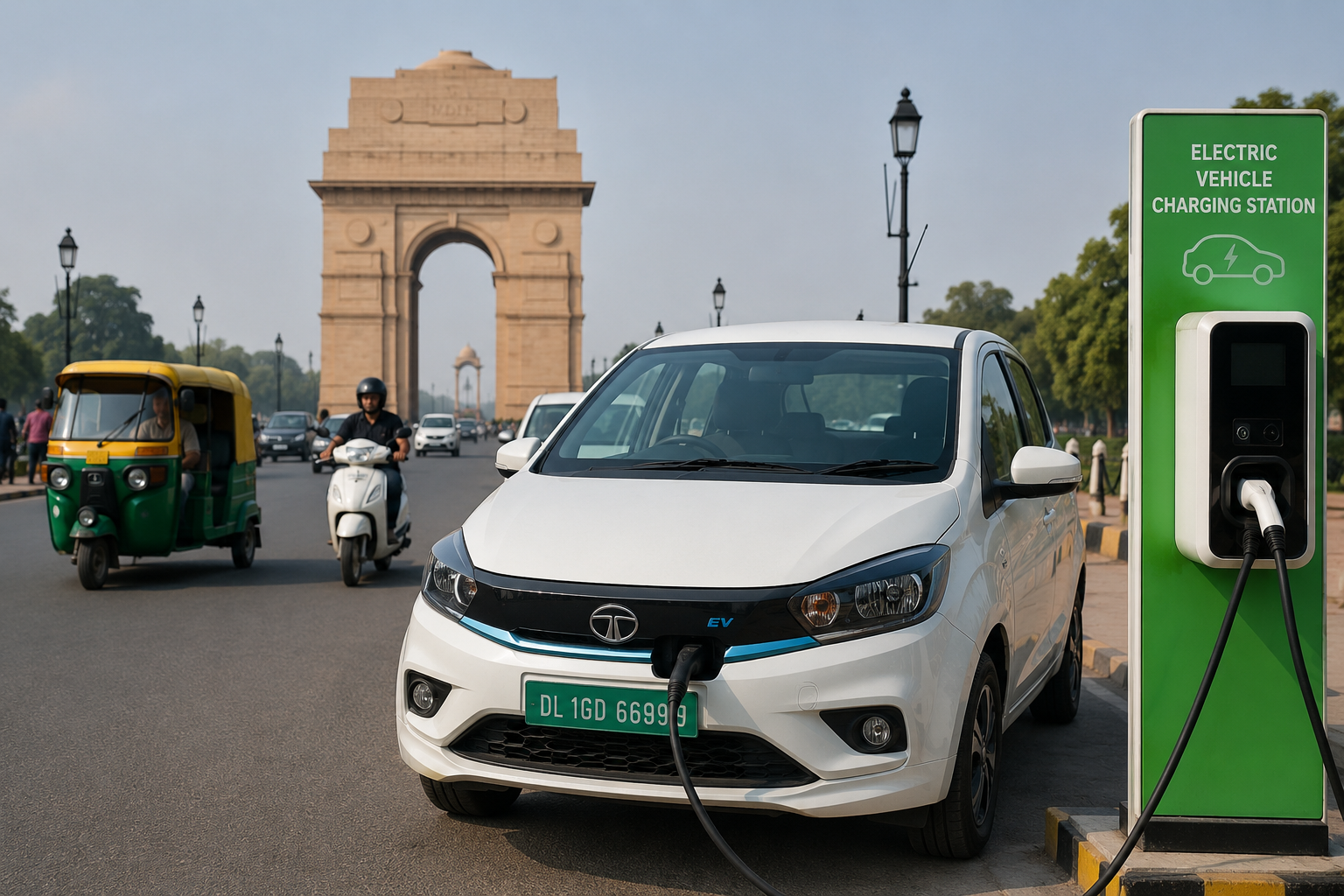
Delhi has entered a new phase in its clean mobility journey with the rollout of the Delhi EV Policy 2026. The policy came into effect on July 1, 2026, and will remain in force until March 31, 2030. Its ambitions are significant. Officials want 95% of all new vehicle registrations to be electric by 2027 while increasing the share of EVs in the city’s overall vehicle fleet to 30% by 2030.
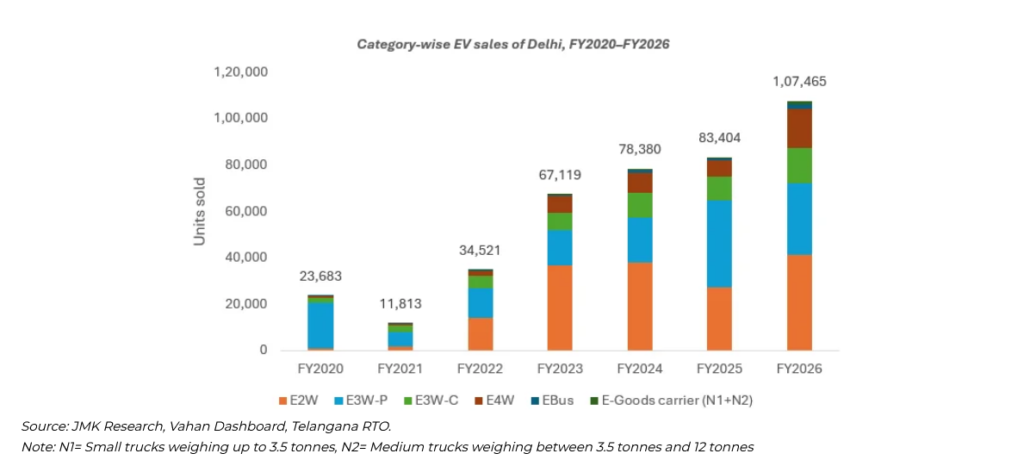
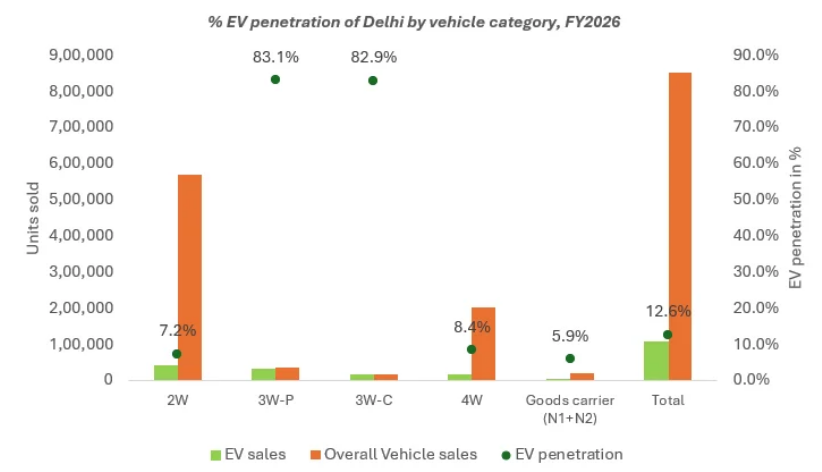
The numbers suggest that the transition has already gathered pace. Electric vehicle registrations in Delhi increased from 23,683 units in FY2020 to more than 107,465 units in FY2026, marking a 4.5-fold rise. Two-wheelers and three-wheelers continue to dominate the market. Electric two-wheelers crossed 41,119 registrations and now account for 38% of EV sales, while electric three-wheelers hold a 43% share. Even with this momentum, EVs represented only 12.6% of all new vehicle sales during FY2026, showing there is still considerable room for growth.
A major reason behind this aggressive push is Delhi’s worsening air pollution. According to the Commission for Air Quality Management, direct emissions from vehicles contribute around 23% of winter PM2.5 pollution, while secondary particulate formation adds another 27% during the season. Two- and three-wheelers alone are responsible for nearly 46% of vehicular pollution, making them a key focus area for policymakers.
Instead of relying only on financial incentives, the new policy introduces a mix of rewards and regulatory measures. Registration of new petrol and CNG three-wheelers will stop from January 1, 2027, while the same restriction for two-wheelers begins on April 1, 2028. Scrappage incentives have been tied to purchase subsidies, giving buyers additional benefits for replacing older BS-IV vehicles. A three-year ownership lock-in has also been introduced. Meanwhile, road tax and registration charges will continue to receive a 100% waiver, with benefits capped at INR 30 lakh for electric four-wheelers.
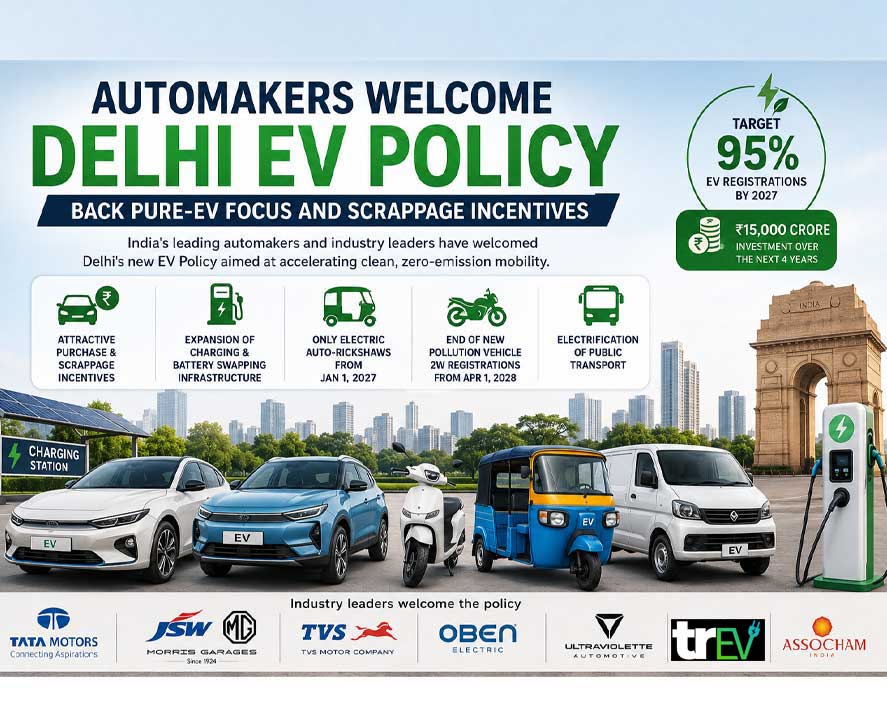
The financial commitment behind the policy is equally notable. The policy provides overall financial support of INR 15,000 crore, including INR 7,000 crore in direct government expenditure. Purchase incentives will gradually reduce over the coming years as the market matures. Delhi plans to add over 30,000 public charging points to its existing network of more than 10,000 chargers.
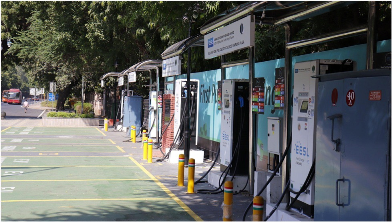
Industry experts believe the policy has both strengths and hurdles. Research points out that market readiness varies across vehicle segments. Electric three-wheelers have already achieved an impressive 83% market penetration, whereas electric two-wheelers remain at just 7.2%. Charging for smaller vehicles also depends heavily on private infrastructure rather than public stations. As a result, the policy’s long-term success will depend not only on regulations but also on supply chains, charging availability, and consumer confidence.
Delhi leads Indian states by promoting only battery electric vehicles while excluding hybrid models from the policy. If implemented effectively, the initiative could become a blueprint for other cities looking to reduce emissions. Cleaner air, lower operating costs for citizens, and new employment opportunities are among the expected benefits, although much will depend on how smoothly the ambitious roadmap is executed.
The capital’s electric mobility transition is clearly entering a decisive stage. With bold targets and stronger regulations, Delhi’s EV transition could shape India’s future clean mobility policies.
Reference- JMK Research Report, Vahan Dashboard, Network18