



India’s electric vehicle revolution has reached an important crossroads. Sales are rising, consumer awareness is improving, and policymakers continue to support cleaner transportation. Yet one challenge remains unresolved: affordability.
India needs more affordable electric vehicles (EVs) if it wants to accelerate mass adoption. The country’s EV market is expanding, but the majority of electric cars remain beyond the reach of middle-income households.
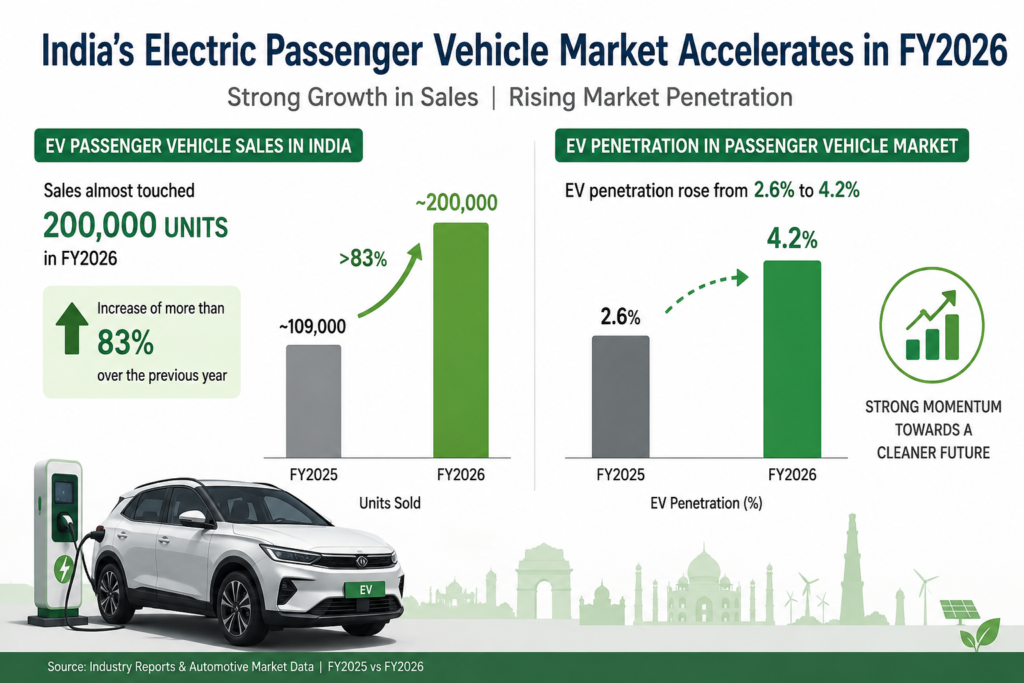
The numbers tell an encouraging story. According to automobile industry data, electric passenger vehicle sales in India almost touched 200,000 units in FY2026, an increase of more than 83% over the previous year. EV penetration in the passenger vehicle market also rose from 2.6% to 4.2%.
However, growth alone does not guarantee a successful transition. Most Indian car buyers still prioritize purchase price over technology. This reality explains why compact petrol and CNG vehicles continue to dominate sales.
The International Energy Agency (IEA) notes that global EV sales exceeded 20 million units in 2025, representing one in every four new cars sold worldwide. China achieved this milestone largely through a steady supply of low-cost electric models. Emerging markets that gained access to affordable EVs also recorded faster adoption rates.
India can learn from that experience.
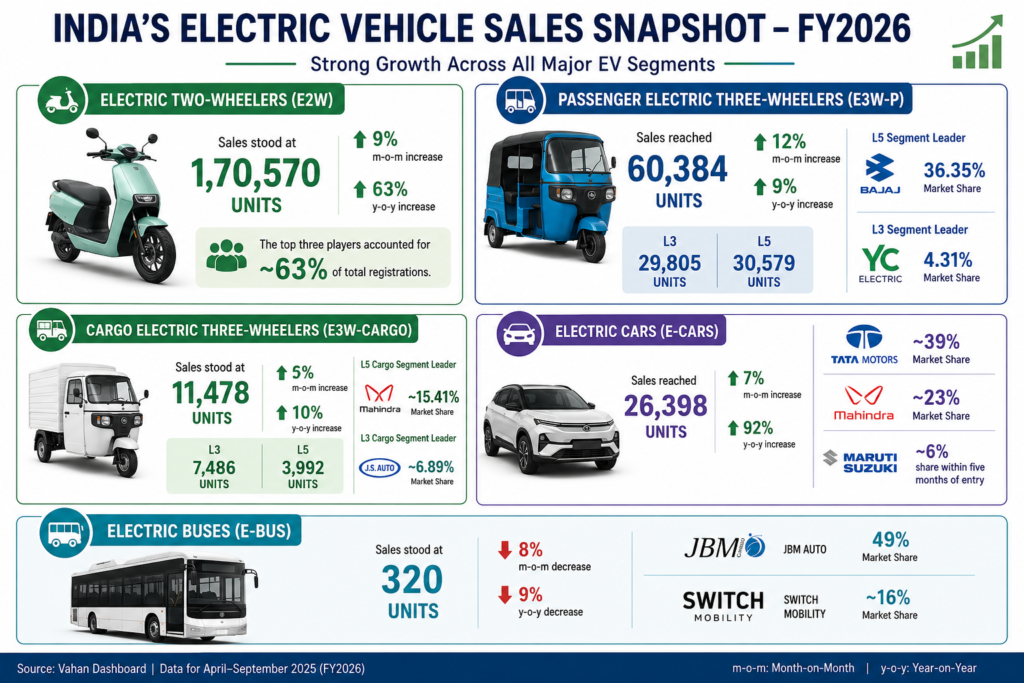
Today, affordable options remain limited. Industry discussions and consumer feedback indicate that many buyers are waiting for electric cars priced closer to mainstream hatchbacks and compact SUVs. Several consumers believe that a wider selection of entry-level EVs could significantly boost demand.
Research on Indian consumer behavior supports this view. Buyers place strong value on lower charging times, improved range, and reduced operating costs. Yet upfront affordability remains critical.
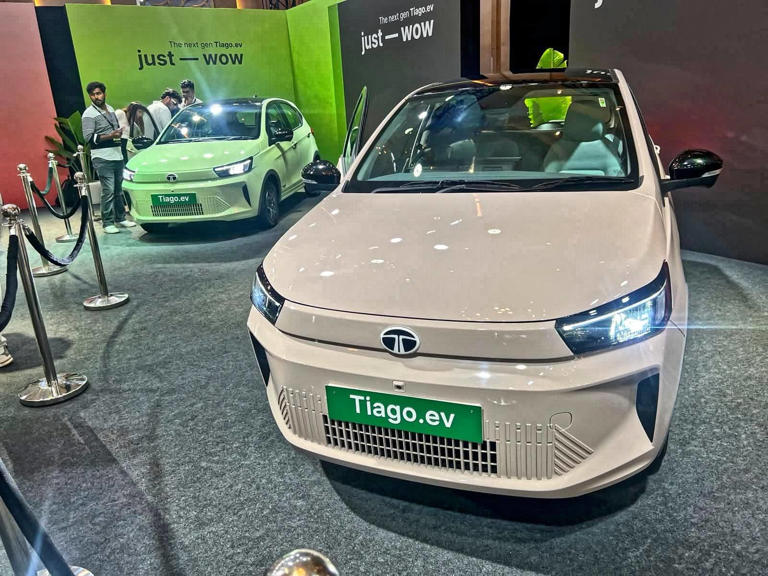
Carmakers therefore face a strategic choice. They can continue focusing on premium electric SUVs, or they can build products for India’s mass market. The latter path may deliver larger volumes and faster decarbonization.
The opportunity is substantial. Rising fuel prices are already pushing consumers to reconsider mobility choices. Demand for EVs is increasing, and some manufacturers are reporting delivery backlogs.
India’s clean mobility transition will not be decided by luxury EVs. It will be determined by whether an average family can afford one. Affordable electric cars are no longer an option. They are a necessity.
Reference- Autocar India, JMK Research, International Energy Agency (IEA), Reuters