



Misconceptions still shape public debates around renewable energy. Yet scientific evidence increasingly challenges those claims. Researchers say misinformation about clean energy often slows deployment of solar, wind and electric vehicles.
Renewables have expanded rapidly worldwide. In 2025, electricity generated from renewable sources overtook coal globally. The shift reflects falling technology costs and stronger climate policies.
Myth 1: Renewables Are Unreliable
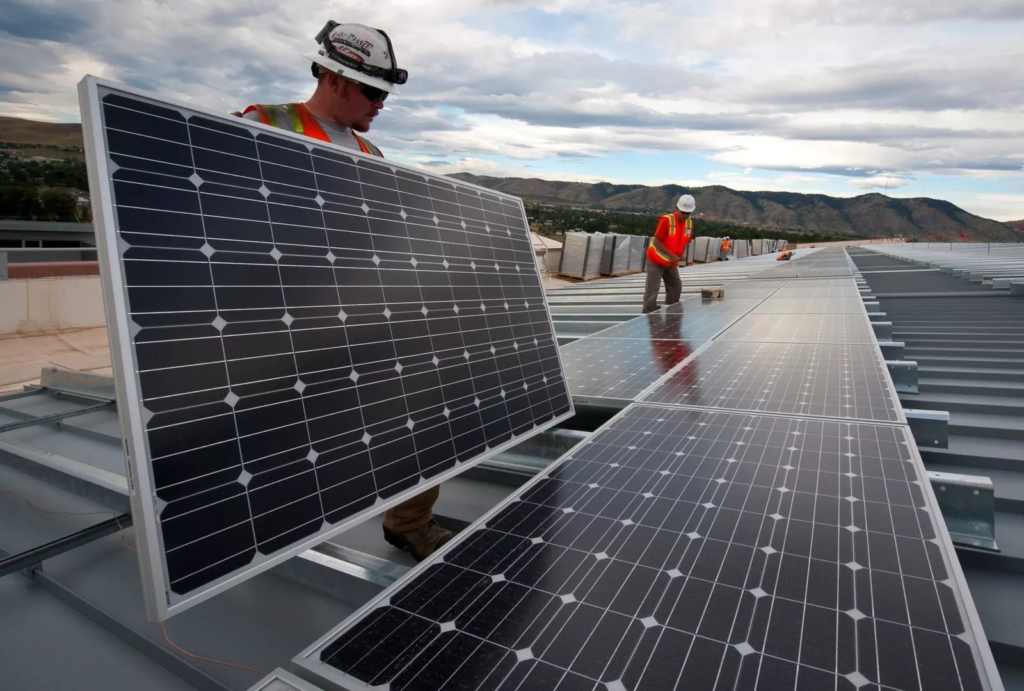
Solar and wind are intermittent. Clouds and calm winds reduce output. However, power systems are designed to manage variability. Energy sources are balanced across regions and technologies. “There’s always a way to coordinate the energy mix,” says Andy Fitch of Columbia Law School’s Sabin Center for Climate Change Law.
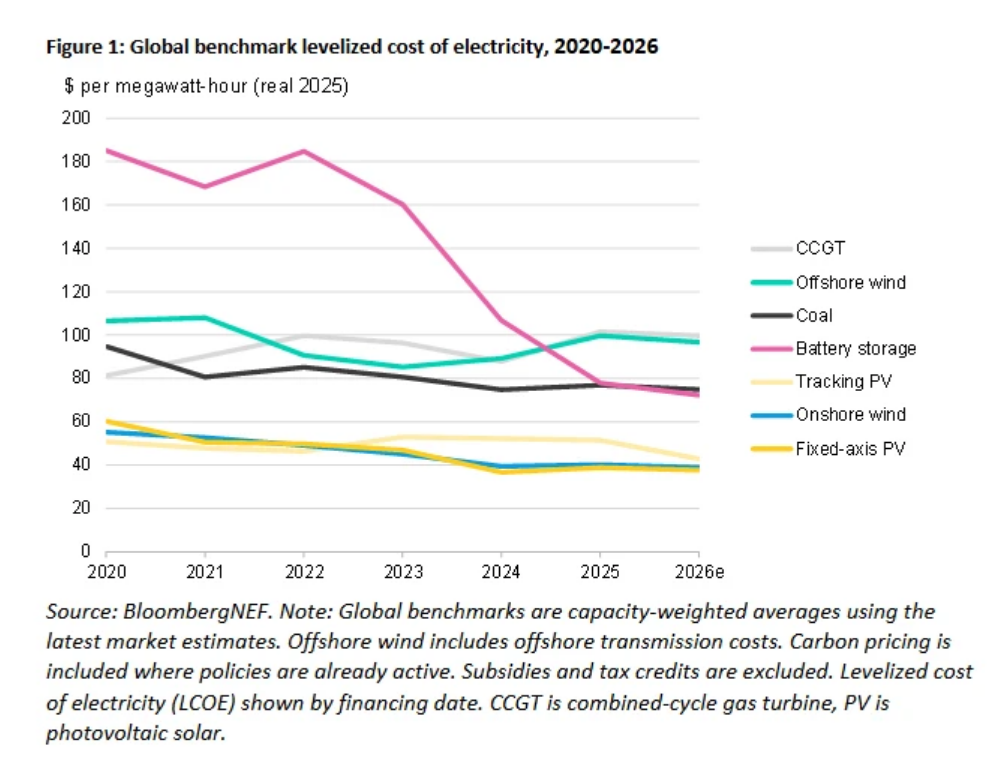
Energy storage and grid coordination are improving reliability. Battery costs have fallen nearly 90% in the past decade, helping smooth fluctuations in renewable generation.
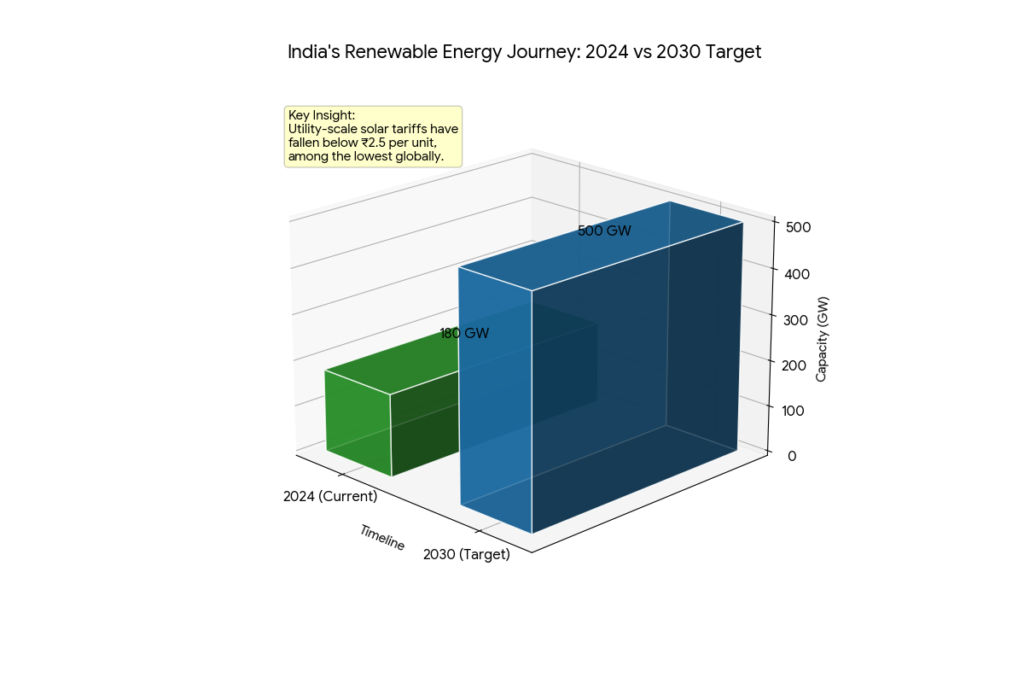
India is already adapting. The country crossed 180 GW of renewable capacity in 2024, according to government data. Solar and wind are being combined with large battery storage and pumped hydro projects to stabilize supply.
Myth 2: Solar Power Is Too Expensive
Solar technology has undergone a dramatic cost decline. In 1980, solar panels cost about $35 per watt. By 2024, prices dropped to roughly 26 cents per watt.
As a result, solar power often beats coal or gas over its lifetime. Many households now save hundreds of dollars annually after installing rooftop systems.
India illustrates this trend. Utility-scale solar tariffs have fallen below ₹2.5 per unit in several auctions, among the lowest globally.
Myth 3: Wind Turbines Devastate Wildlife
Wind energy can harm some bird populations. Around 500,000 birds die annually from turbine collisions in the United States, according to conservation groups.
Scientists argue the larger threat is climate change. Habitat loss and rising temperatures put far more species at risk. “We have to go to renewable energy,” said Duke University researcher Douglas Nowacek. New mitigation technologies are also emerging. AI-enabled cameras can detect bird flocks and slow turbines temporarily.
A Reality Check
Renewables alone will not solve climate change immediately. Even with current progress, global warming could still approach 3°C this century, researchers warn.
Yet the direction is clear. Clean energy adoption is rising worldwide. The challenge now is scale and speed. For India, the stakes are high. The country aims to reach 500 GW of non-fossil capacity by 2030. Dispelling myths will be crucial to achieving that goal.
Reference- National Geographic, MNRE website, World Economic Forum, Institute of Energy Research