



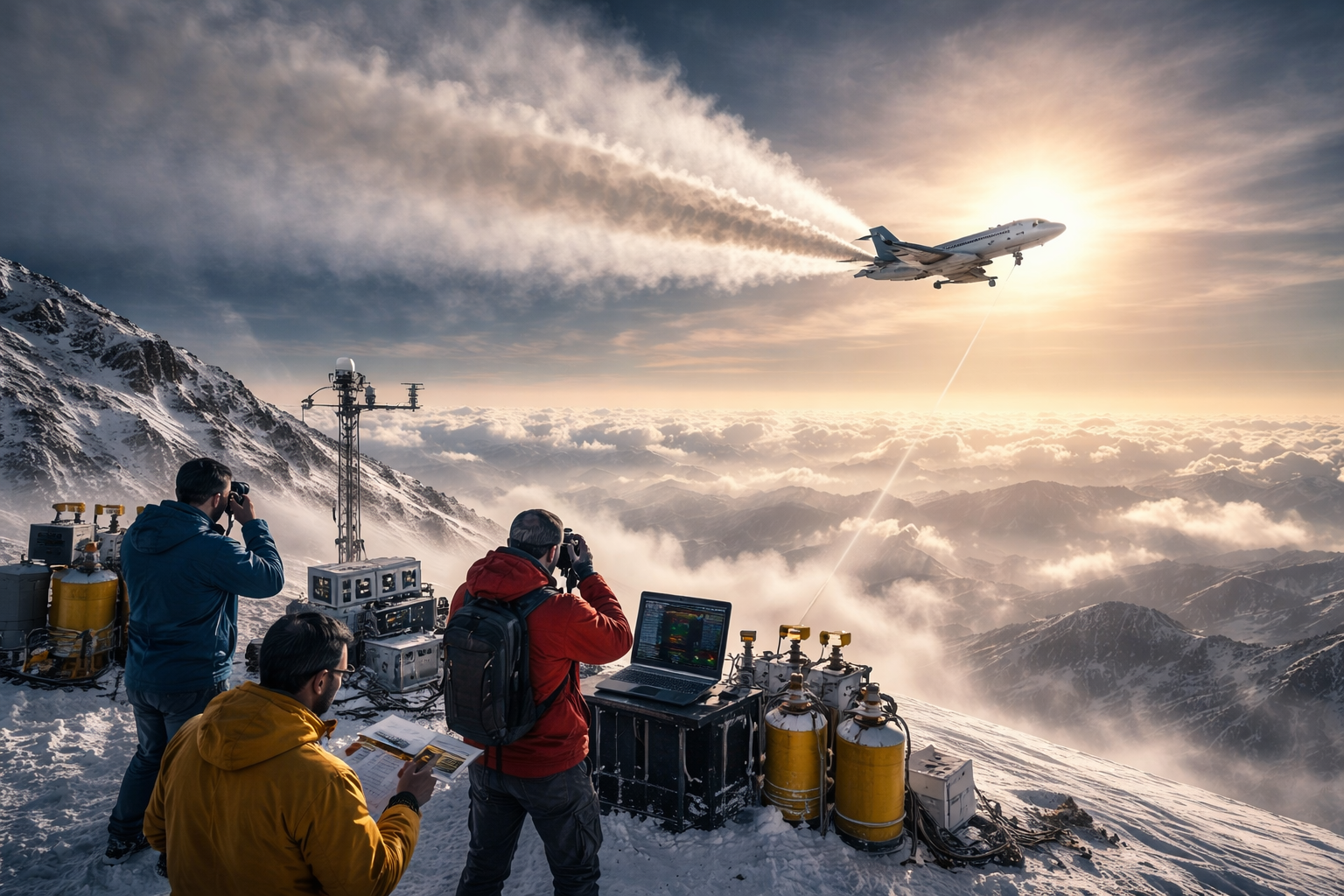
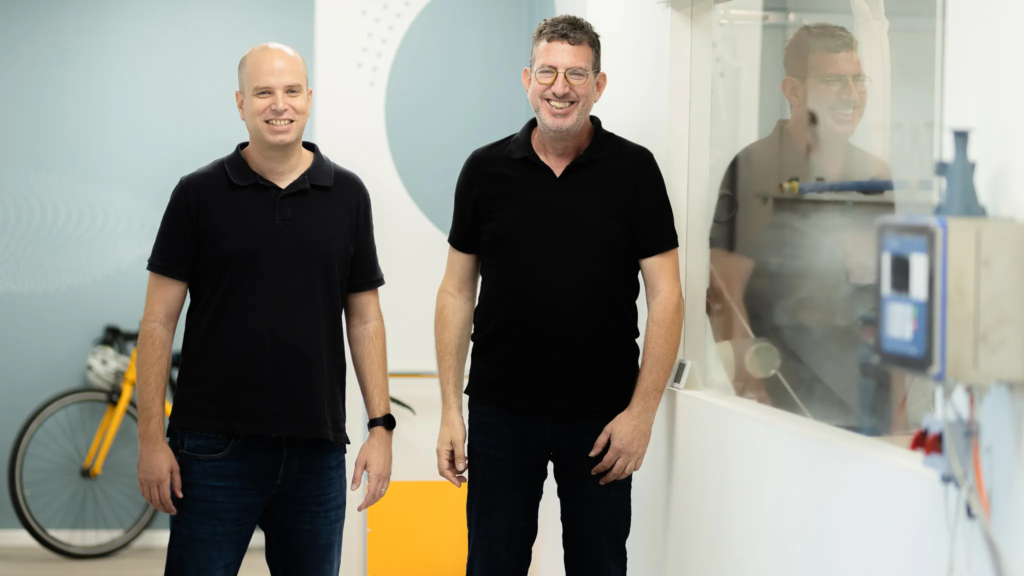
A little-known startup is making a bold claim: it can dim the Sun. The idea sounds extreme. Yet it reflects growing urgency in the climate debate.
An Israel–US firm, Stardust Solutions, has raised $60 million to develop a proprietary particle designed to reflect sunlight and cool the Earth. The approach falls under solar geoengineering, a field that mimics volcanic eruptions by dispersing reflective aerosols into the stratosphere.
The science is not new. After the 1991 eruption of Mount Pinatubo, global temperatures dropped by about 0.5°C (0.9°F) for over a year. Scientists have long studied this effect. However, translating that natural phenomenon into a controlled technology remains uncertain.

Stardust claims it is developing a particle that is “as safe as flour” and scalable to millions of tons. The company argues that traditional sulfate aerosols can damage the ozone layer and cause acid rain. Its alternative, it says, avoids these risks.
Still, key details are missing. The exact composition of the particle has not been disclosed. Experts are uneasy. “None of us knows what they are hoping to put into the stratosphere,” one researcher warned.
Critics, however, point to governance gaps. Since solar geoengineering would affect the entire planet, the stakes are unusually high. Yet, no global regulatory framework exists. Moreover, in 2023, Mexico banned similar experiments after unauthorized particle releases.
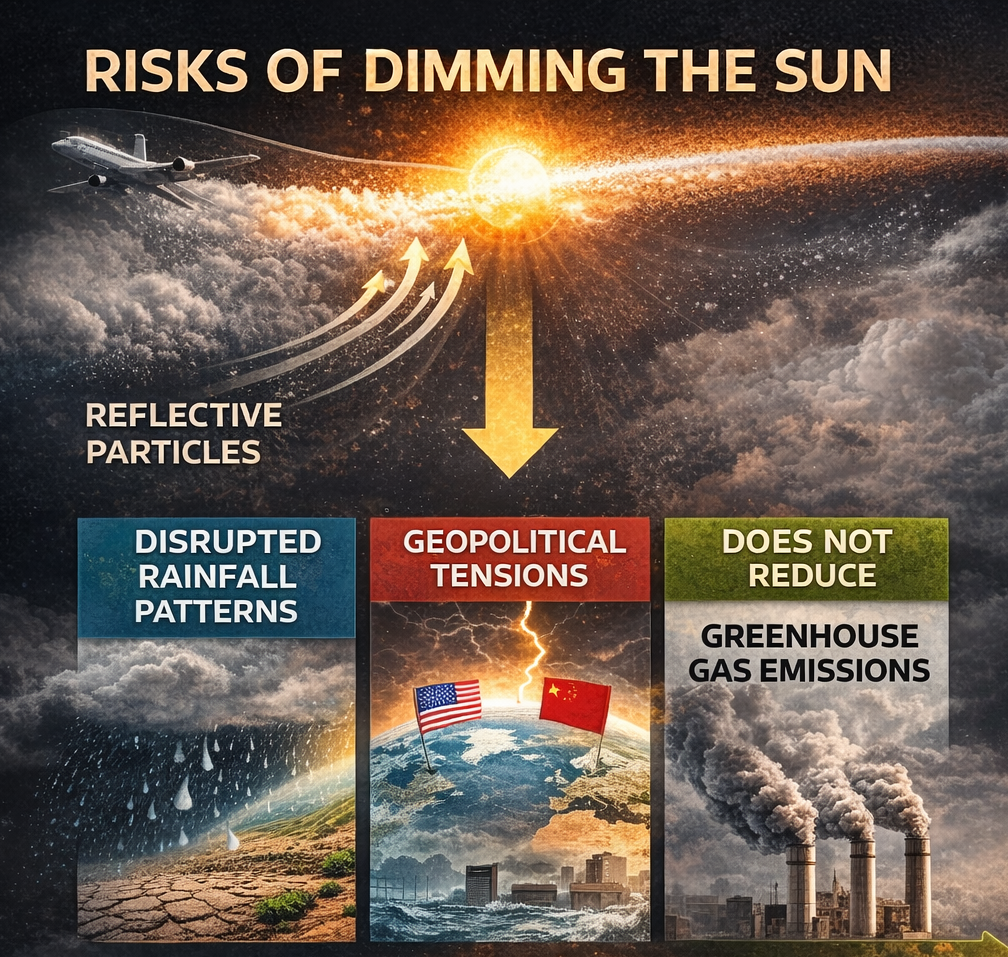
The risks are not theoretical. Studies suggest geoengineering could disrupt rainfall patterns, weaken monsoons, and trigger geopolitical tensions. Moreover, the technology does not address the root cause of climate change—greenhouse gas emissions.
Even proponents acknowledge limits. “There will still be extreme weather events,” Stardust’s CEO has said. The technology is seen as a supplement, not a solution.
Meanwhile, investment is rising. The $60 million funding round marks the largest in this emerging sector. Private capital is moving faster than policy.
That imbalance worries scientists. A private company could influence planetary systems for profit. Regulation may follow, but it has not yet arrived.
The promise is striking. A tool to cool the Earth could buy time in the climate crisis. The risks are equally stark. Once deployed, such systems may need to run indefinitely to avoid sudden warming.
The question is no longer whether humanity can dim the Sun. It is whether it should.
Reference- Futurism, The New Yorker, Stardust website, MIT