



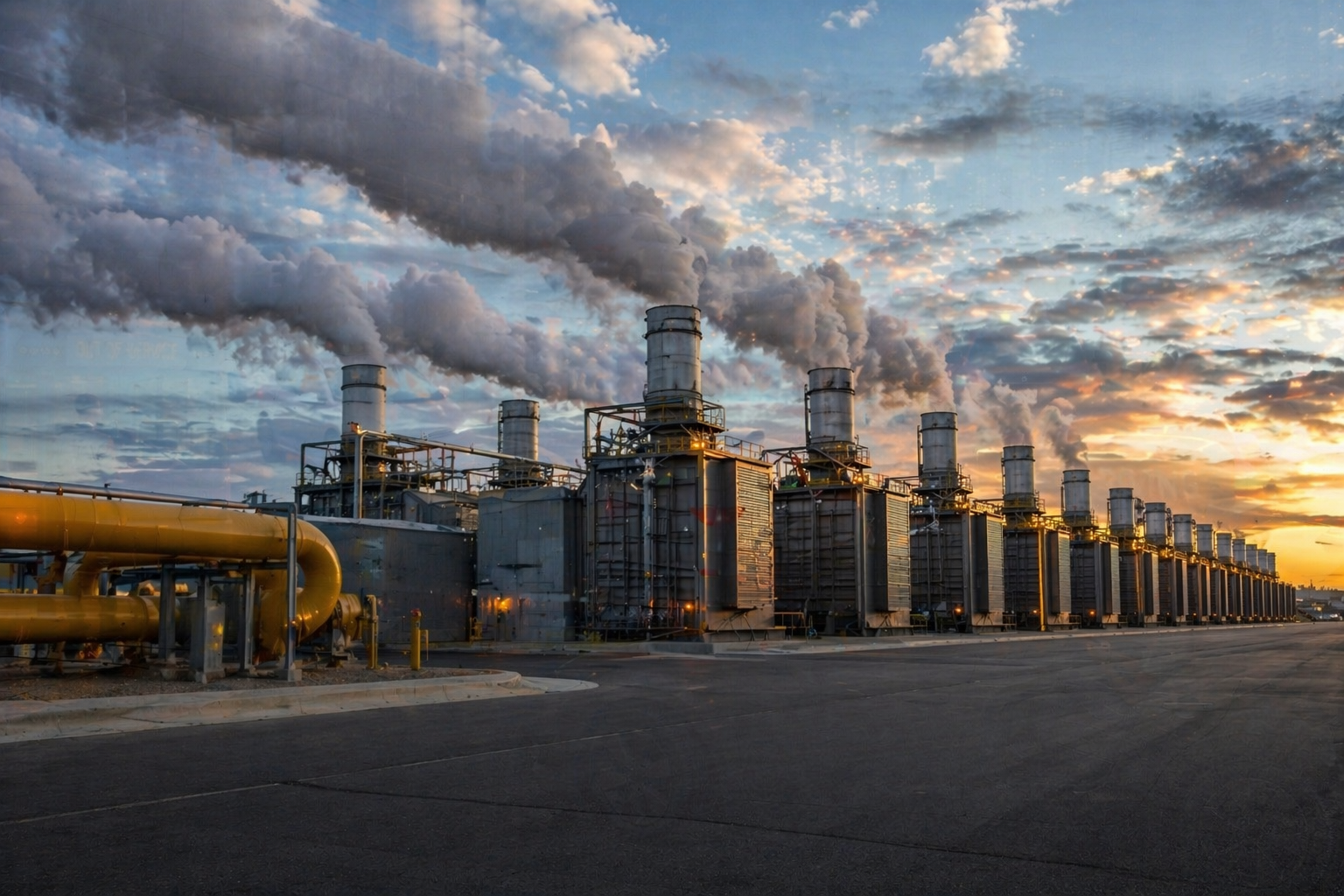
The artificial intelligence boom is reshaping global energy demand. However, a new investigation suggests the climate cost could be far higher than expected.
A report by WIRED finds that just 11 gas-powered data center campuses in the United States could emit more than 129 million tons of greenhouse gases annually. This figure exceeds the yearly emissions of countries such as Morocco or Norway.
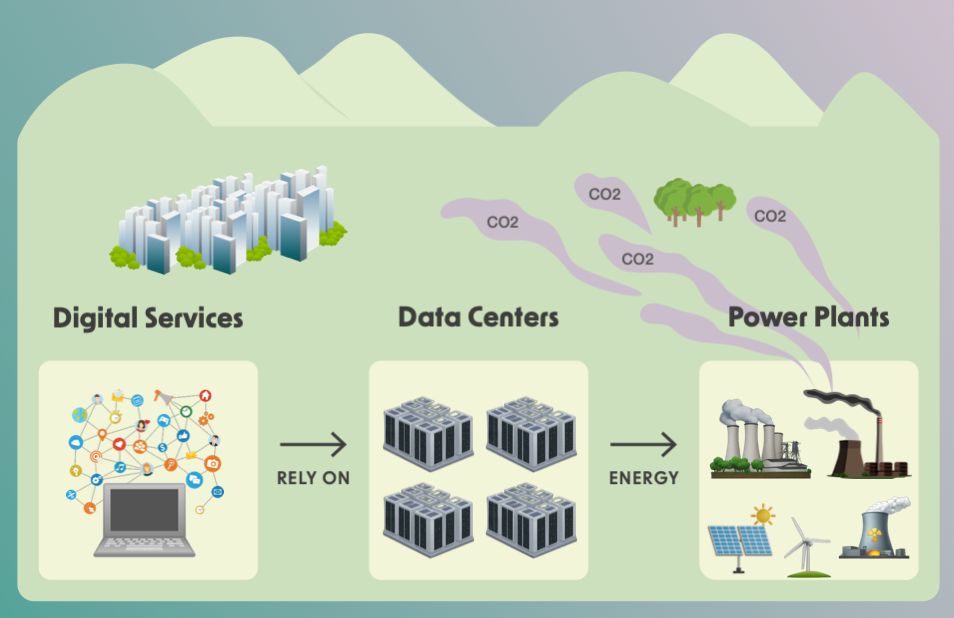
These facilities are being built to power AI systems from companies like Microsoft, Meta, and OpenAI. Instead of relying on public grids, many projects use “behind-the-meter” gas plants. These plants supply constant energy directly to data centers. As a result, emissions could rise sharply.
The scale of expansion is striking. Data center-linked gas power capacity has surged from around 4 gigawatts in 2024 to over 97 gigawatts in 2025, according to Global Energy Monitor. This reflects a nearly 25-fold increase in just two years.
At the same time, global electricity demand from data centers is climbing fast. Consumption reached 460 terawatt-hours in 2022, and it could exceed 1,000 terawatt-hours by 2026, estimates from MIT show.
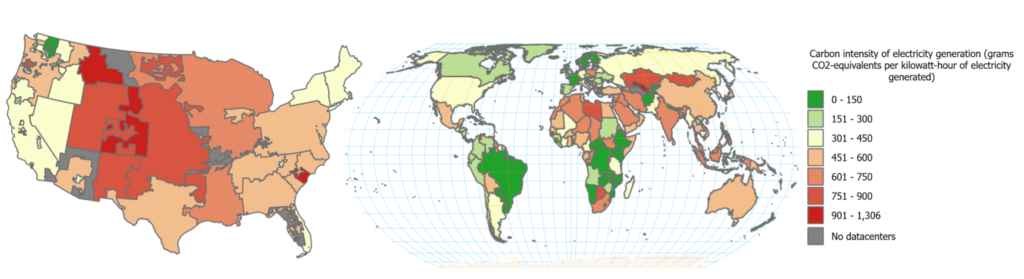
Yet, the environmental impact is already significant. US data centers generated more than 105 million tons of CO₂ equivalent emissions in a single year, with carbon intensity nearly 48% higher than the national average.
Critics argue that gas-powered infrastructure locks in long-term emissions. One industry executive described gas as “a critical bridge,” but not a final solution. However, experts warn that temporary solutions often become permanent in energy systems.
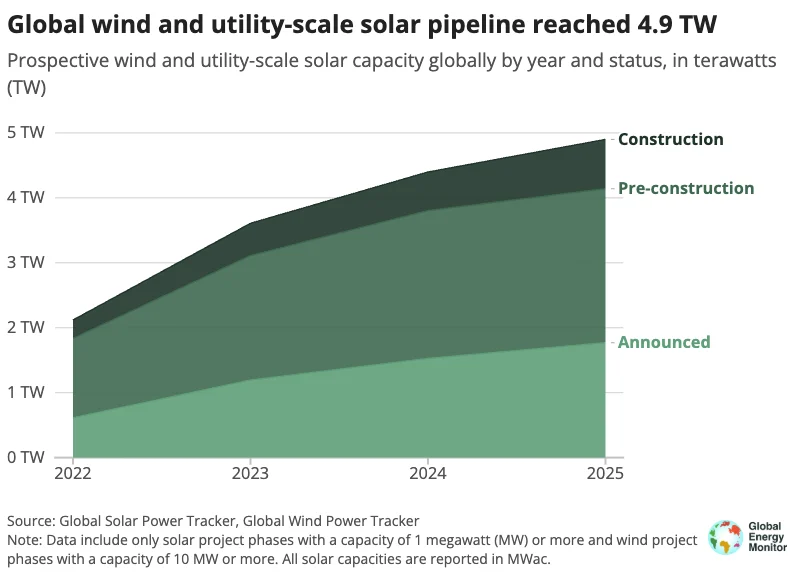
Moreover, renewable alternatives face delays. Grid constraints and slow approvals are pushing companies toward fossil fuels. Consequently, emissions may rise even as climate commitments remain in place.
Still, solutions exist. Analysts suggest that improved efficiency, renewable integration, and stricter regulations could reduce emissions significantly. Without intervention, however, the AI-driven data center boom risks becoming a major climate setback.
The question is no longer whether AI will transform industries. It is whether the infrastructure behind it can evolve fast enough to avoid deepening the climate crisis.
Reference- WIRED, MIT News, arxiv.com, National Geographic