



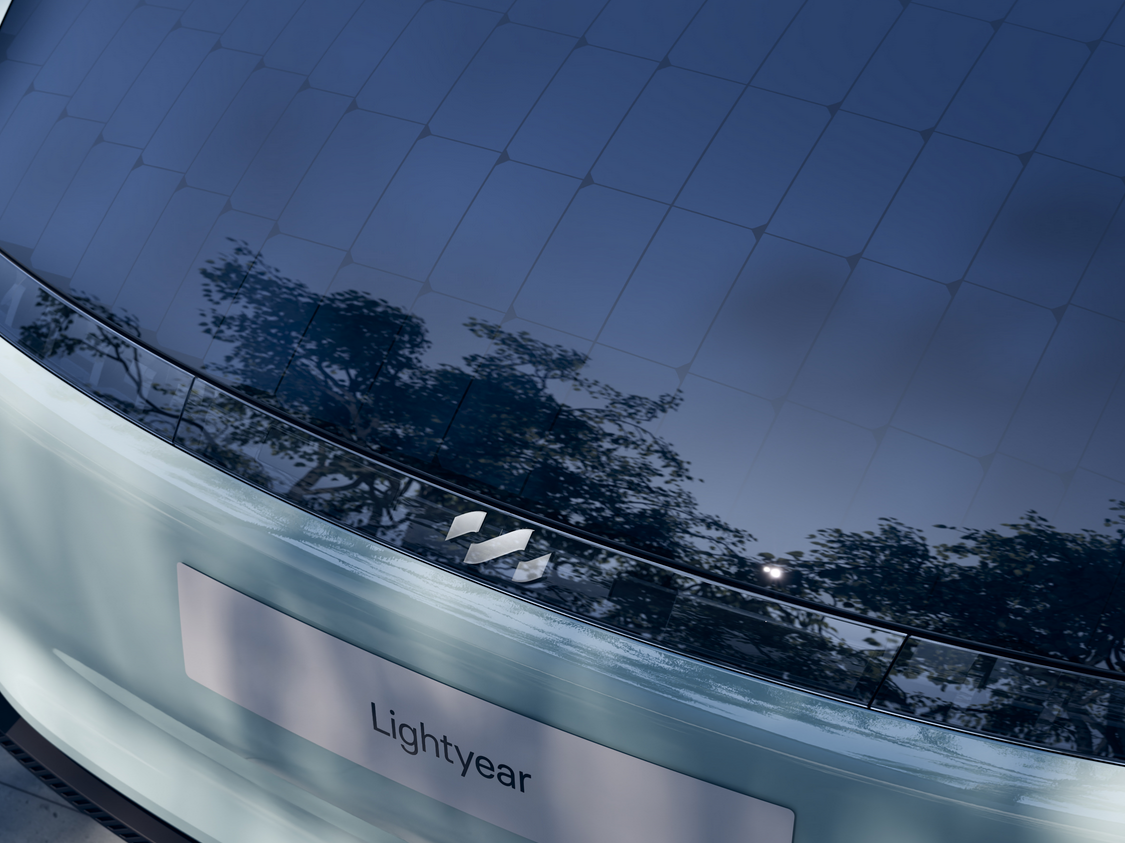
Imagine charging your car with sunlight. Not as a gimmick. Not as a distant sci-fi concept. But as your actual, everyday reality. That’s exactly what Dutch startup Lightyear is betting on.
For a long time, the EV world has followed one playbook: bigger batteries, more charging stations, repeat. Lightyear looked at that and thought differently. Their idea? Build solar panels directly into the car itself. The mission is straightforward — make EVs less dependent on charging infrastructure and more efficient overall.
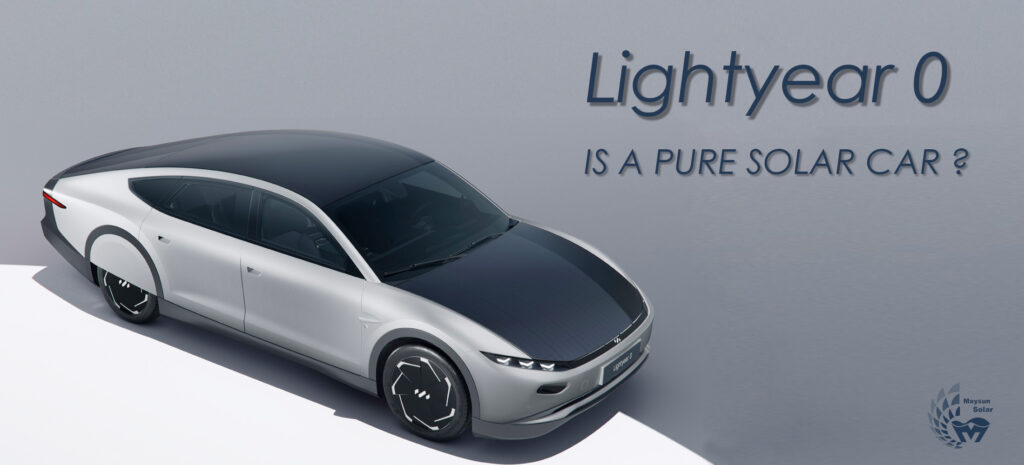
Their first big moment came with the Lightyear 0. At the time, it turned heads globally. The car packed around five square meters of integrated solar panels into its body and offered a seriously impressive WLTP range of up to 625 km (about 388 miles).
Moreover, on a sunny day, those panels could quietly add dozens of extra kilometers without you doing a single thing. As a result, drivers could reduce their reliance on conventional charging for everyday trips.
But here’s where reality hit. Building a car like that isn’t cheap. The Lightyear 0 came in at around €250,000. A stunning piece of engineering, sure. Accessible to most people? Absolutely not.
So Lightyear pivoted. They set their sights on the Lightyear 2 — a version designed for the real world. The target price is under €40,000, and the projected range is over 800 km (roughly 500 miles) between charges. That’s not just impressive. That’s genuinely game-changing, if they can pull it off.
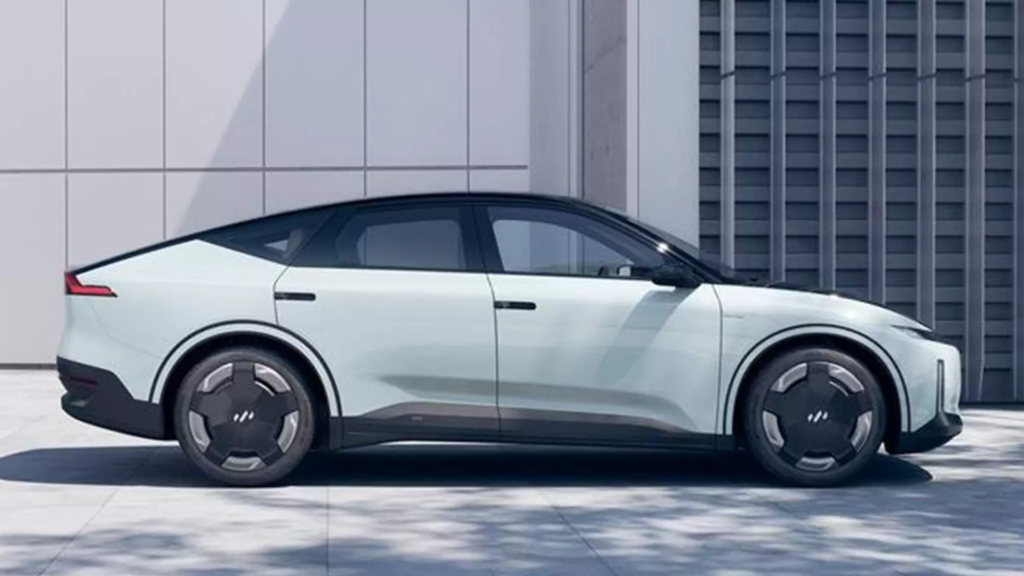
What makes Lightyear’s approach interesting isn’t just the solar panels. Instead, it’s the thinking behind them. The company obsesses over reducing energy consumption first — through lightweight materials and sharp aerodynamic design.
As a result, every ray of captured sunlight can go further. Consequently, the solar panels can make a more meaningful contribution to everyday driving. Use less energy, and suddenly solar panels can actually keep up with your daily driving needs. It’s elegant logic.
The journey hasn’t been easy, though. In early 2023, Lightyear’s operating company went through bankruptcy. Production of the Lightyear 0 had already stopped. It was a tough moment. But the company came back leaner, refocused on the core solar technology rather than rushing into full-scale manufacturing.
They’ve also been smart about survival. Rather than going it alone, Lightyear has explored licensing its solar tech to other automakers. If the road to building their own cars takes longer, at least the innovation itself gets out into the world.
They’re not alone in this space either. Aptera and Sono Motors have chased similar dreams. None of them have found it easy. Commercializing solar mobility is genuinely hard.

But here’s the bigger picture. The future of EVs probably isn’t just about cramming in larger and larger batteries. It’s about smarter design. Better efficiency. Energy that comes to you, not just from a plug in the ground. Lightyear represents that shift in thinking. Their mission is to switch from a fossil fuel powered light year of travel to one powered by the sun by 2030.
Will they make it? Honestly, it’s too early to say. But whether or not Lightyear the company succeeds, they’ve already done something meaningful. They’ve made the rest of the industry stop and ask a question it wasn’t asking before: what if the car could charge itself?
Reference- Futurism, Lightyear website, ELectrek, InsideEVS, PR Newswire, Car and Diver, CNBC