



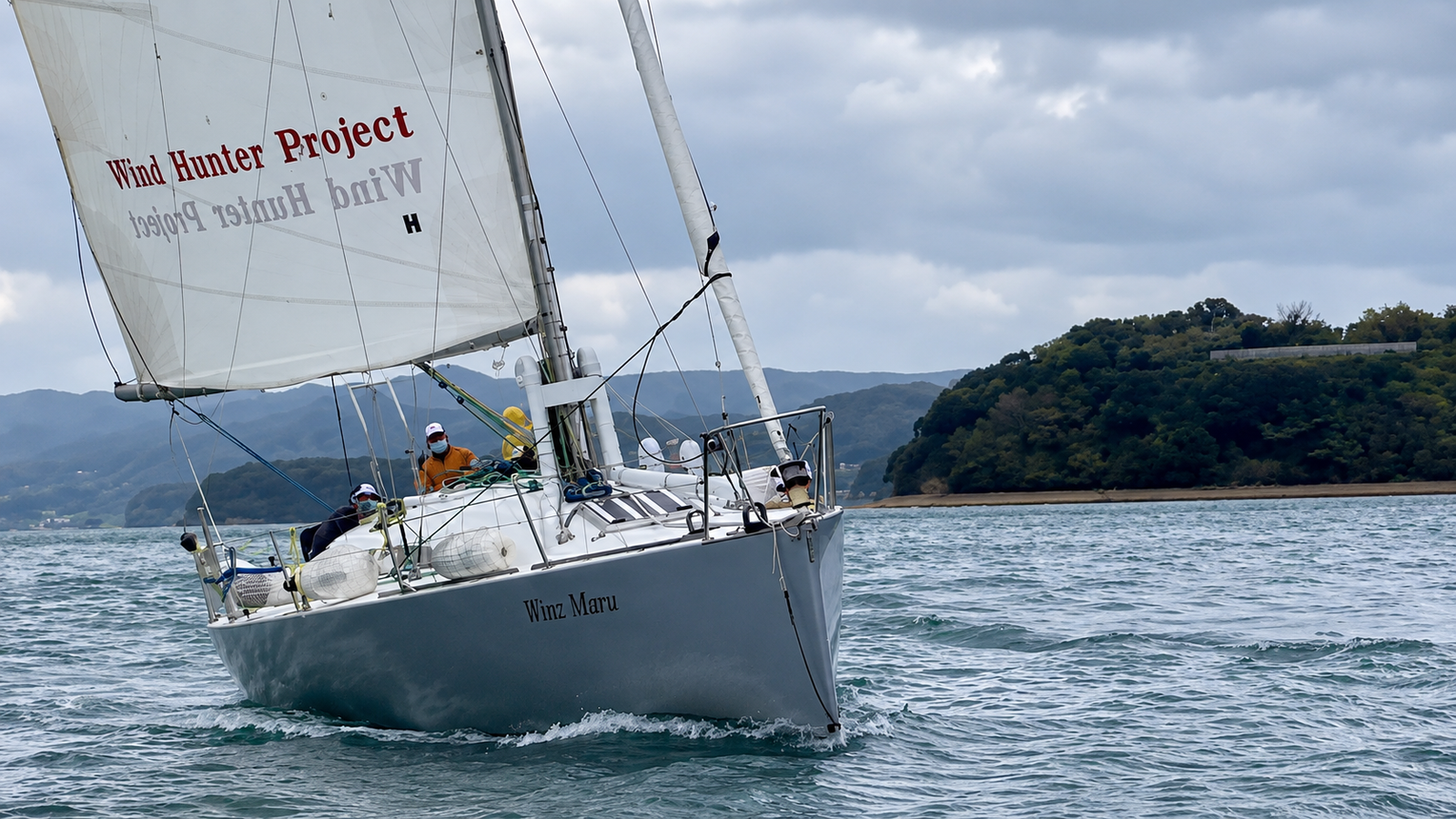
The unveiling of the Winz Maru marks a defining moment in sustainable maritime logistics. This demonstration yacht, developed under Japan’s Wind Hunter Project by Mitsui O.S.K. Lines (MOL), proves ships can generate their own clean fuel at sea. Experts view it as a paradigm shift.
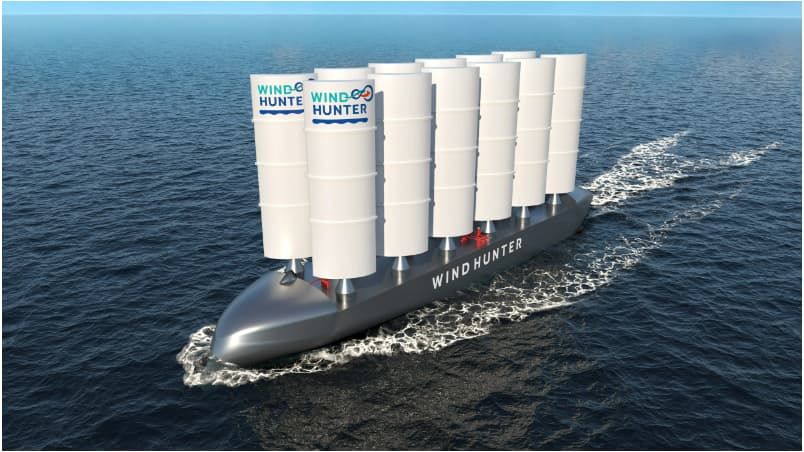
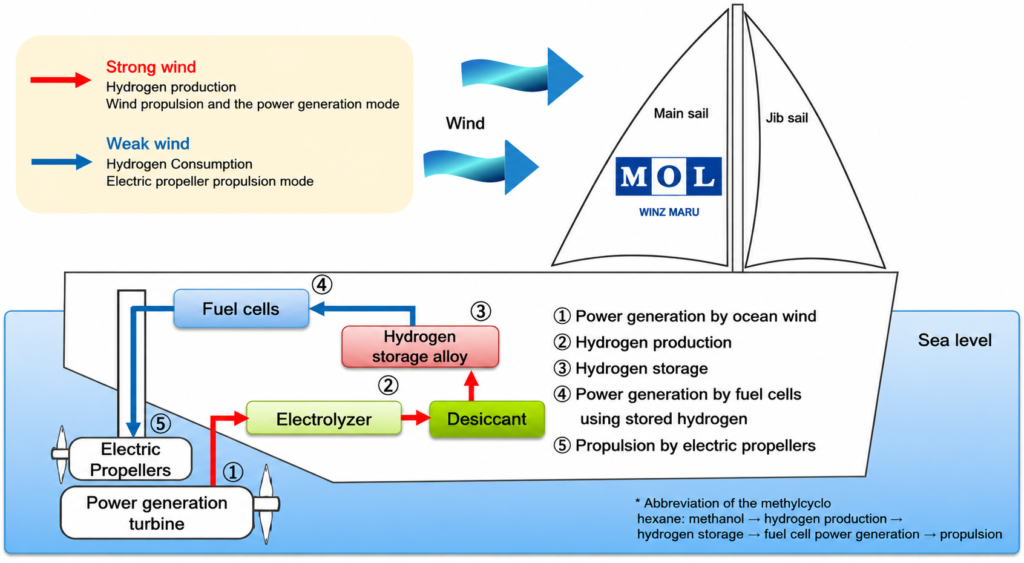
To accelerate maritime decarbonization, MOL launched the Wind Hunter Project to harness offshore wind power. Specifically, the 12-meter Winz Maru uses wind energy and underwater turbines to generate electricity. It then uses this electricity to split seawater into green hydrogen through electrolysis. Next, the vessel stores the hydrogen as methylcyclohexane (MCH), enabling safe and efficient transport.
In March 2025, Winz Maru successfully supplied this green hydrogen onshore in Tokyo Bay. As a result, it achieved the world’s first delivery of ship-produced green hydrogen from a vessel underway.
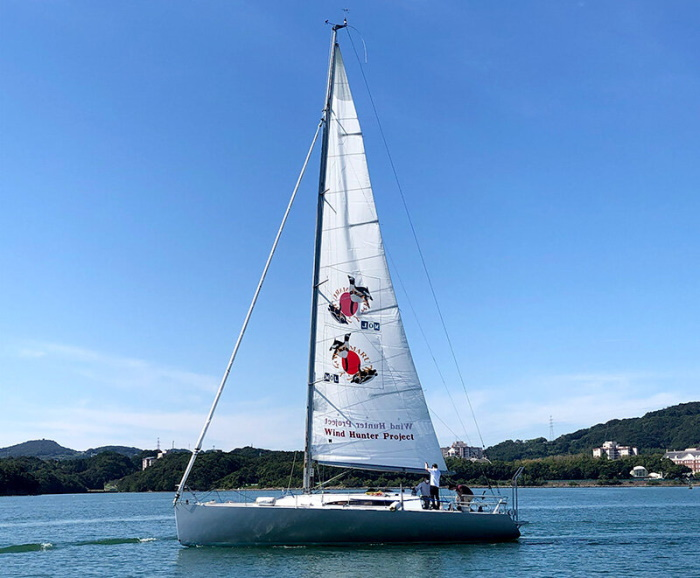
“This marks the first time in the world that a ship has supplied green hydrogen, produced on its own while underway, for use on shore,” MOL stated in its official release. The company completed earlier tests in Omura Bay between 2021 and 2023. Those trials covered full hydrogen production, storage, and onboard use.
Meanwhile, maritime shipping faces growing pressure to decarbonize. The sector accounts for nearly 3% of global CO₂ emissions, and without significant intervention, those emissions could rise sharply by 2050. Traditional fossil fuels still dominate the industry.
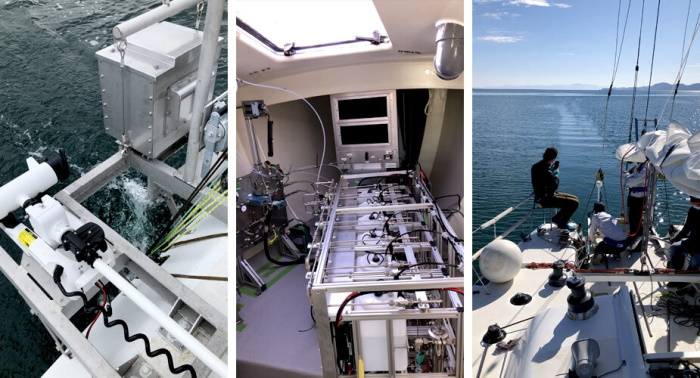
However, Winz Maru offers a promising alternative. Under its FY2025 plans, the vessel can produce about 100 Nm³ of hydrogen, equivalent to roughly 200 liters of methylcyclohexane (MCH). Moreover, this clean energy output can support onshore applications, including electricity generation for trailer homes and other remote facilities.
The project combines wind propulsion with hydrogen fuel cells. When winds drop, stored hydrogen keeps the vessel moving. No fossil fuels. No direct emissions. MOL partners with Ouchi Ocean Consultant, university researchers, and ClassNK. Government support from NEDO and Tokyo Metropolitan adds momentum. Full-scale hydrogen production vessels remain the goal for 2030.
Nevertheless, several challenges persist. Scaling hydrogen technologies requires significant investment, while the safe storage and handling of hydrogen demand specialized infrastructure and expertise. Even so, the project’s success offers a compelling glimpse of what is possible. Because global trade depends heavily on maritime transport, cleaner solutions like Winz Maru can help reduce the sector’s climate impact while strengthening the resilience of international supply chains.
Furthermore, this innovation showcases human ingenuity in action. Engineers have transformed ocean winds into a source of clean fuel production at sea. As a result, policymakers, researchers, and industry leaders around the world are watching closely. Winz Maru does more than sail across the water—it charts a cleaner course for the future of shipping. Consequently, future fleets may adopt similar technologies, accelerating the global shift toward sustainable maritime logistics.
Reference- Wind Hunter Project website, Maritime journal, MarineLink