



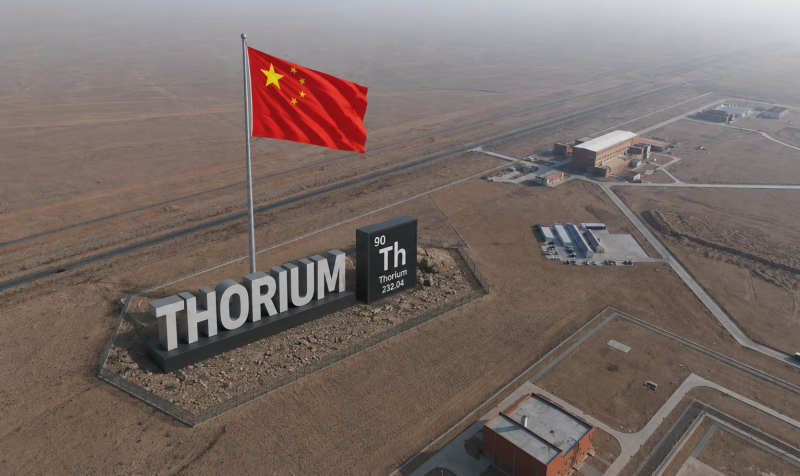
For years, thorium was treated as the future of clean nuclear energy. Scientists praised its safety profile and fuel abundance. Governments debated. Researchers published papers. Yet commercial progress remained slow. China chose a different path.
Today, Beijing is moving ahead with the world’s first operational thorium molten salt reactor program in the Gobi Desert. The project may redefine the global race for advanced nuclear power.
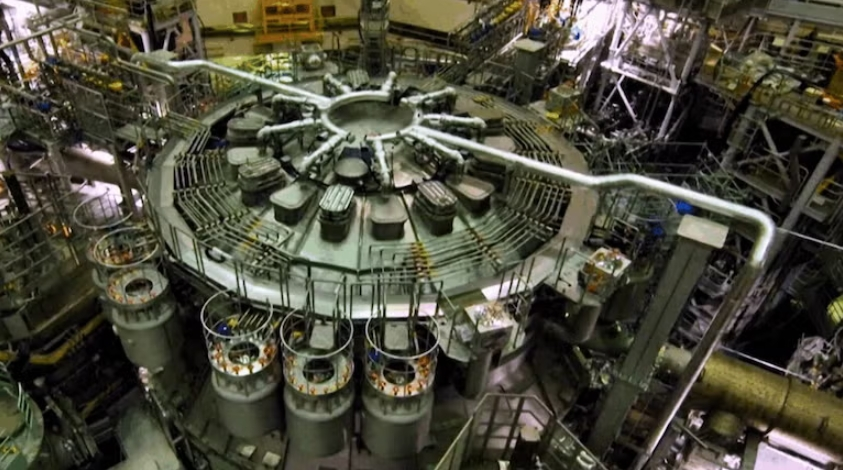
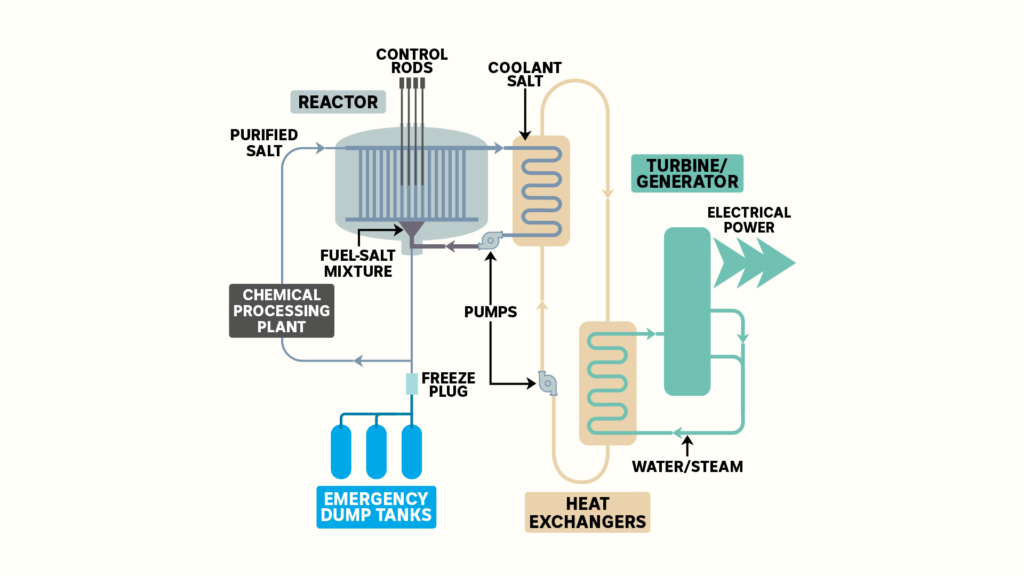
China’s state-backed Shanghai Institute of Applied Physics has worked on thorium molten salt reactor technology since 2011. According to reports from the South China Morning Post and Aveva, the country’s 2-megawatt experimental reactor achieved criticality in 2023. China plans to launch a larger 10-megawatt demonstration plant later this decade. The country also plans to begin construction of a commercial-scale facility which will be operational in 2029, generating heat at a maximum power of 60 megawatts.
Thorium differs from uranium because it is more abundant and produces lower volumes of long-lived radioactive waste. Molten salt reactors also operate at lower pressure than conventional water-cooled reactors. Experts say this reduces meltdown risks significantly.
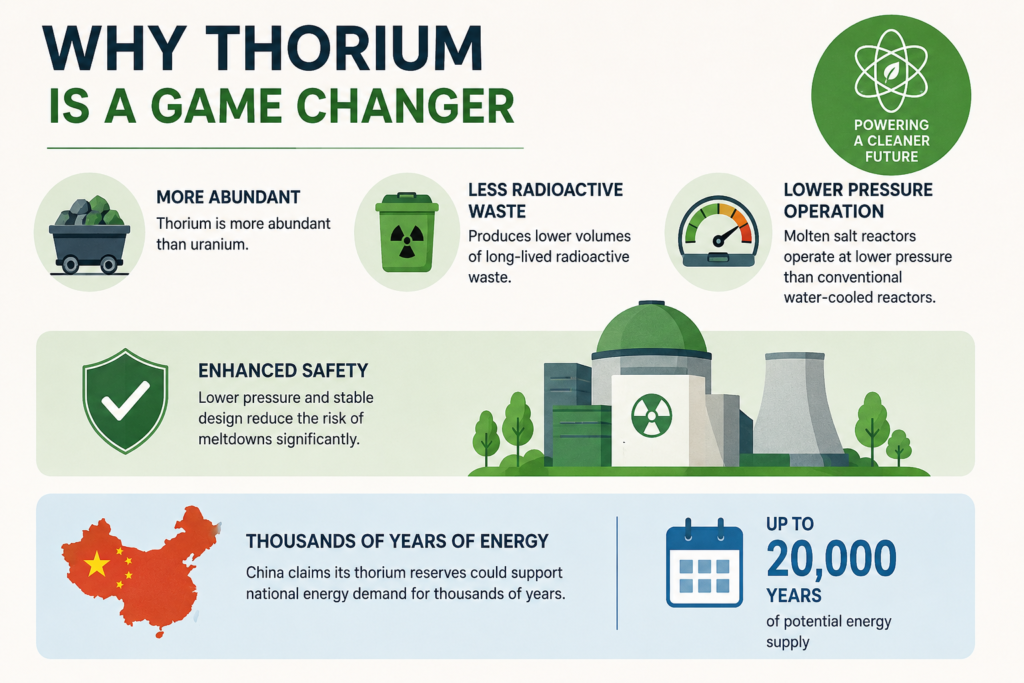
China claims its thorium reserves could support national energy demand for thousands of years. Some estimates suggest reserves may power the country for nearly 20,000 years.
Meanwhile, many Western countries slowed investment in next-generation nuclear technologies after decades of political resistance, rising costs, and safety concerns following accidents such as Fukushima.
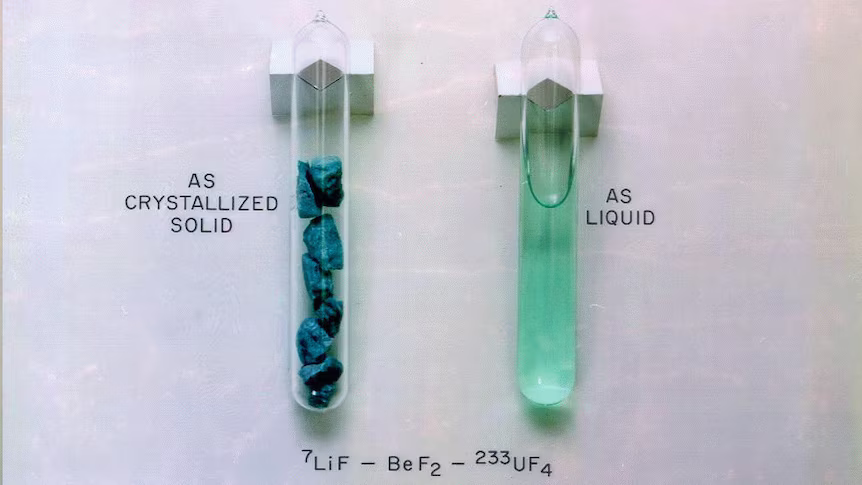
The United States pioneered molten salt reactor research during the 1960s at Oak Ridge National Laboratory. However, the program was abandoned in 1969. China later revived and expanded the concept using domestic manufacturing and state funding.
India also explored thorium because it holds one of the world’s largest thorium reserves. Yet commercial deployment remains limited. China now appears years ahead in practical implementation.
The implications extend beyond energy. Thorium reactors could support hydrogen production, industrial heating, and energy security in water-scarce regions. Analysts believe the technology may strengthen China’s geopolitical influence in future clean-energy supply chains.
Still, technical barriers remain. Corrosion from super-heated salts and high infrastructure costs continue to challenge large-scale deployment. Commercial viability is not yet proven.
However, one reality is becoming clear. While much of the world debated the future of nuclear power, China continued building it.
Reference- Shanghai Institute of Applied Physics, South China Morning Post, ABC News, Oak Ridge National Laboratory,