



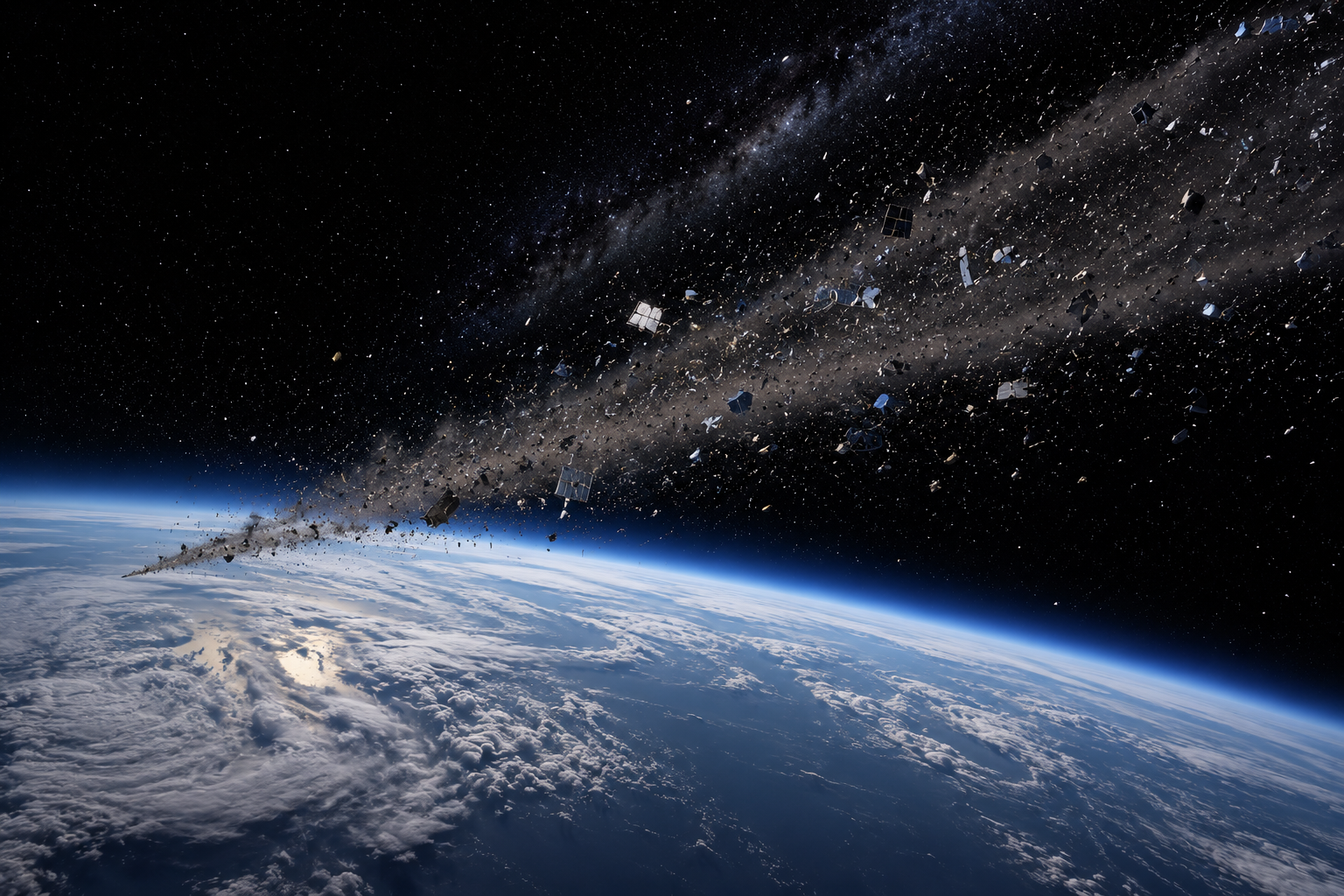
Satellites burn up when they fall back to Earth. Meanwhile, rockets blast soot high into the sky. Together, they release metals and particles that dim the sunlight reaching the planet. As a result, scientists now describe this phenomenon as an accidental and unregulated form of geoengineering.
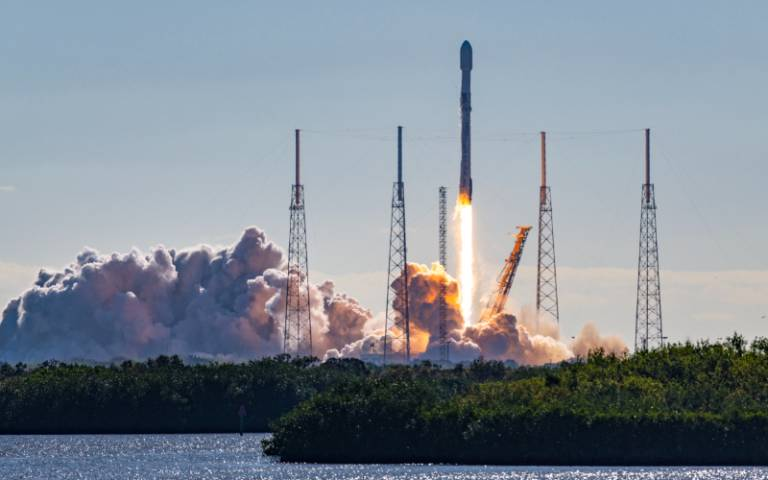
To better understand the issue, a new study published in the journal Earth’s Future examined its potential impacts. Specifically, researchers from University College London analyzed data collected between 2020 and 2022. In particular, they focused on pollution generated by rapidly expanding satellite fleets.

Professor Eloise Marais, the project lead, put it plainly. She said: “The space industry pollution is like a small-scale, unregulated geoengineering experiment that could have many unintended and serious environmental consequences.”
Space activity has grown rapidly. In fact, the number of launches has tripled over the past five years. Currently, SpaceX operates nearly 12,000 Starlink satellites, and the company plans to expand that number to one million. Meanwhile, other companies continue to add thousands more satellites every year.
However, most satellites remain in orbit for only a few years before they de-orbit and burn up. As they re-enter the atmosphere, they release aluminum, lead, and other metals into the upper atmosphere. Consequently, scientists have begun to examine the environmental impact of this growing source of pollution.
The numbers paint a worrying picture.
In 2020, satellite-related pollution made up 25% of the space industry’s total climate impact. Experts expect this share to hit 42% by 2029. Rocket launches alone will pump out about 870 metric tons of soot each year by then. That matches the total soot from all passenger cars in the United Kingdom.
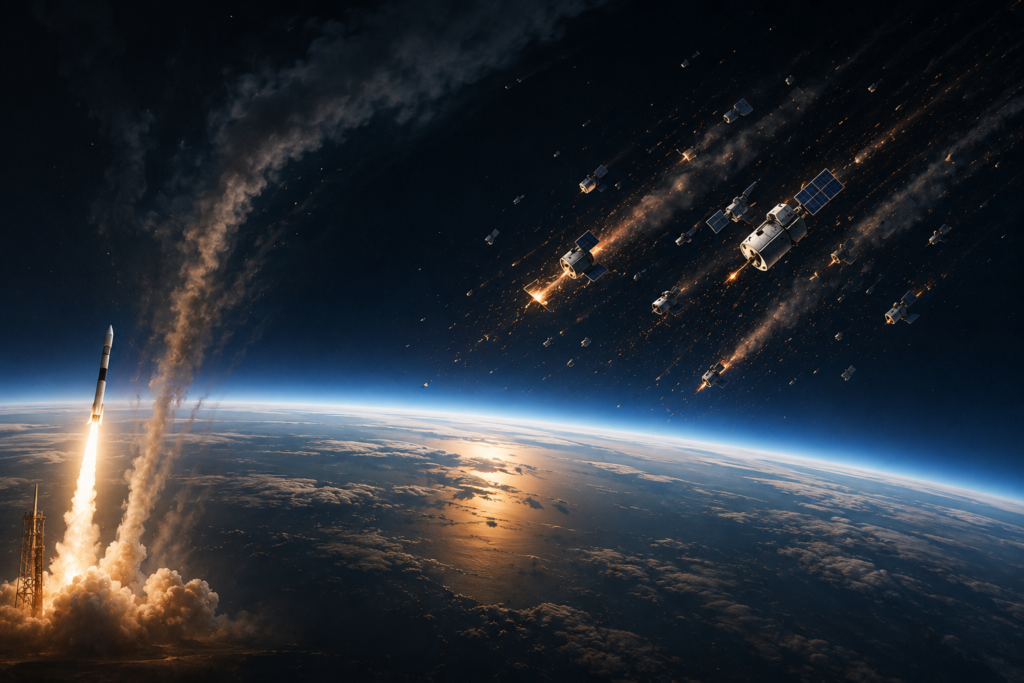
Soot particles linger for years at high altitudes. They behave much like particles used in proposed solar radiation management techniques. The cooling effect sounds helpful at first. Yet Marais warns against celebration. She noted: “The cooling effect from the reduction in sunlight that we calculate with our models may sound like a welcome change against the backdrop of global warming, but we need to be extremely cautious.”
Current effects remain small. Early action can still prevent bigger problems. Regulation for this kind of pollution stays very limited.
Other studies support these concerns. Aluminum oxide from reentering satellites could warm parts of the upper atmosphere by up to 1.5°C in some scenarios. Changes may affect winds, ozone levels, and precipitation patterns.
The space sector keeps expanding rapidly.
Tens of thousands of satellites could orbit Earth by 2040. Reentries might inject thousands of tons of material into the atmosphere each year.
At Clean Future, we believe strong international rules are needed. Cutting greenhouse gas emissions must stay the top priority. At the same time, governments should not ignore this growing source of pollution. Better oversight today can avoid surprises tomorrow.
Reference- Futurism, Journal Earth’s Future, Science.com, The Verge