



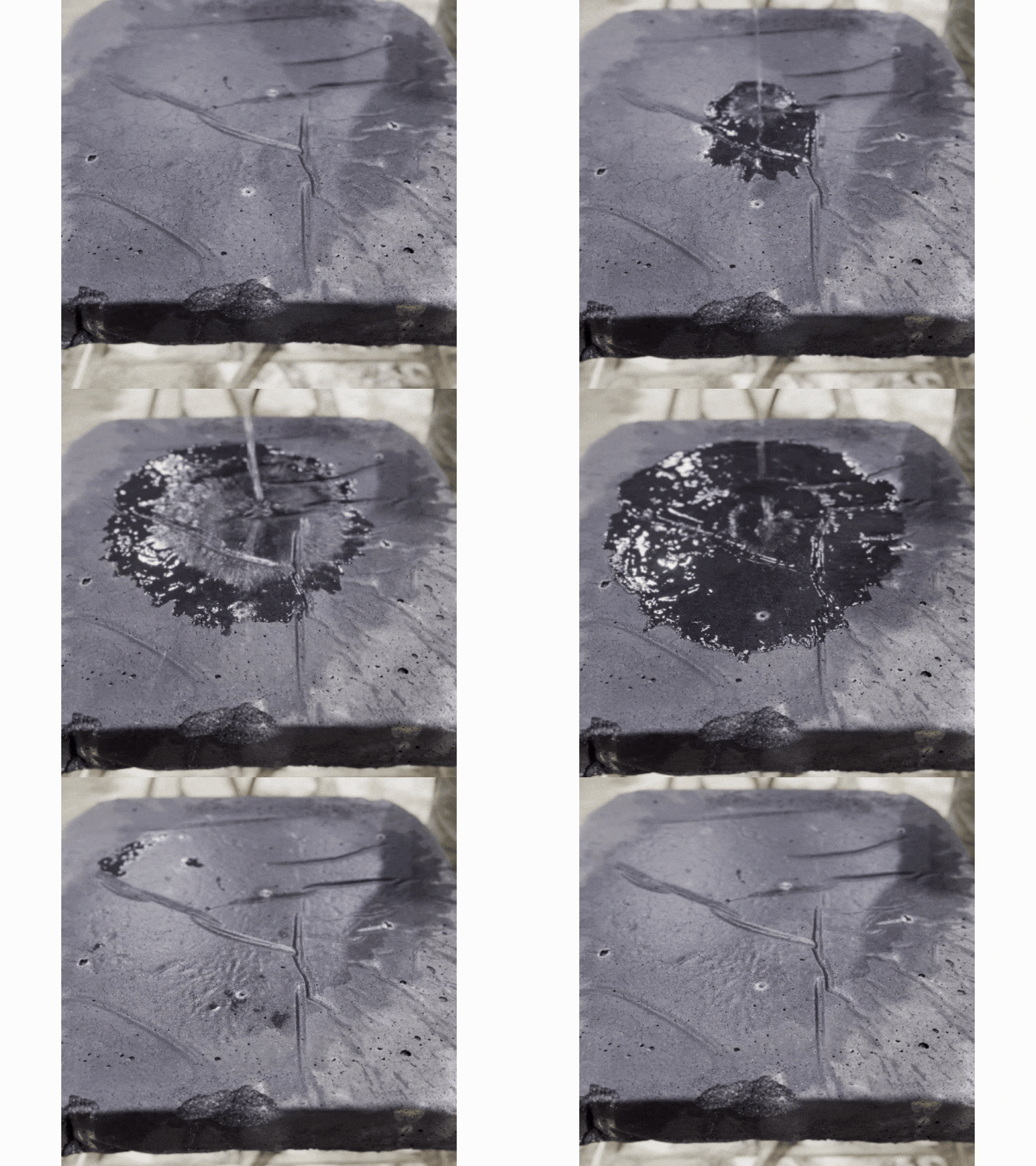
Cities across the world are facing heavier rainfall and more frequent flooding. As a result, roads often flood quickly, drainage systems become overwhelmed, and waterways grow increasingly polluted.
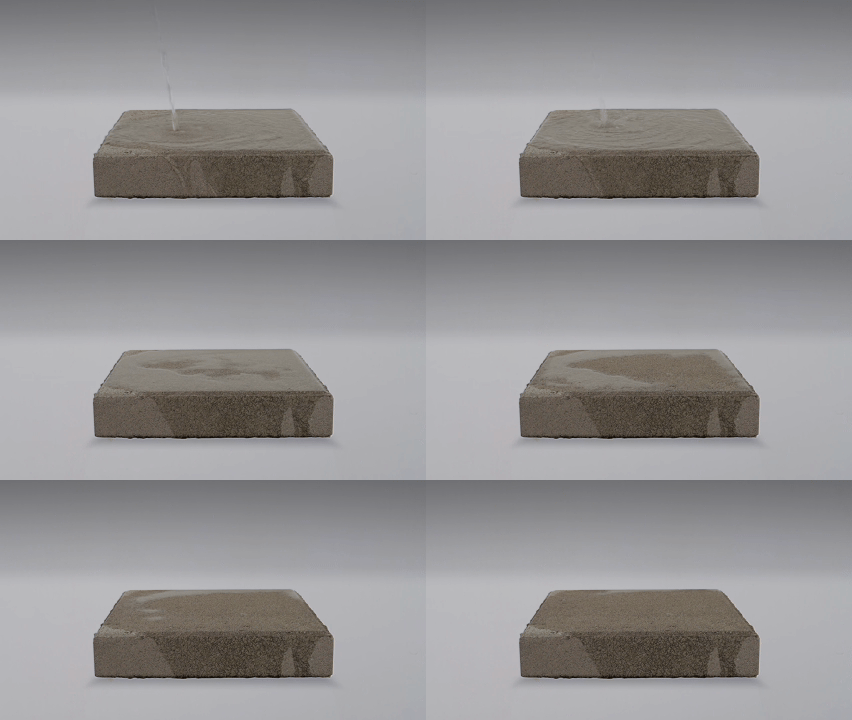
Against this backdrop, U.S.-based AquiPor Technologies is promoting a potential solution. The company has developed a porous concrete material that absorbs storm-water where it falls rather than allowing it to run off into streets and drains.
Currently, AquiPor is working to scale its patented technology. Unlike conventional concrete, which repels water and accelerates runoff, the company’s material absorbs rainfall, filters contaminants, and gradually returns cleaner water to the ground. Consequently, the technology could help reduce urban flooding while supporting groundwater recharge.
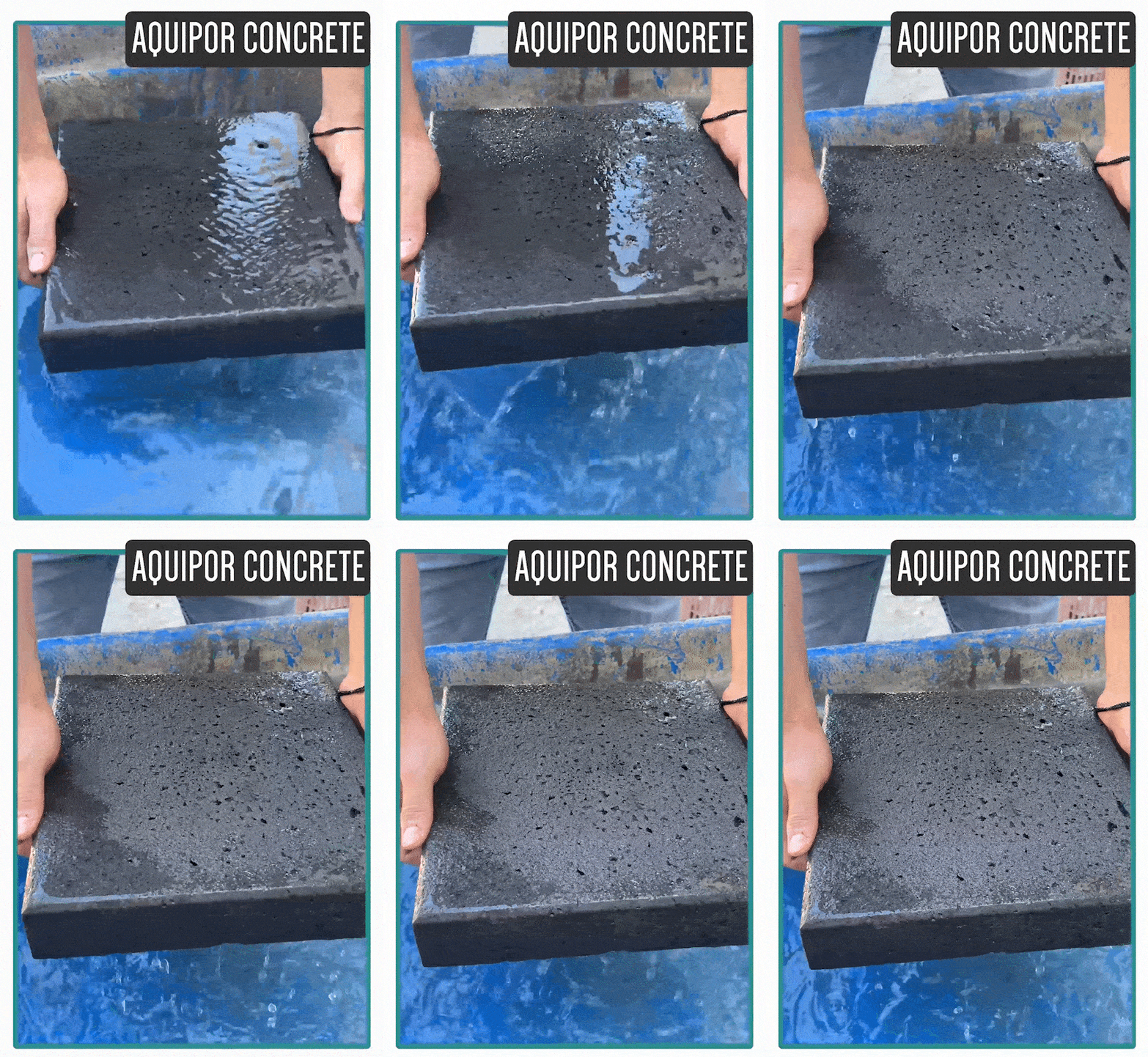
In addition, it offers cities a way to transform everyday infrastructure into active storm-water management systems. By doing so, AquiPor aims to change how urban areas manage water in an era of increasingly extreme weather.
Data shared by the company shows that U.S. waterways receive more than 10 trillion gallons of polluted runoff every year. As a result, urban flooding has emerged as a major environmental challenge. AquiPor claims its product captures runoff at the source and, in turn, helps recharge groundwater supplies. Moreover, independent testing has reported strong performance results.
For example, the material reportedly removes 97.2% of common stormwater particles and 82% of tire-wear pollutants. Consequently, the technology could offer a promising approach to reducing water pollution while strengthening urban climate resilience.
Earlier permeable concretes often clogged or lacked strength. AquiPor says its version keeps microscopic pores while matching conventional concrete performance. This balance matters for real-world use.
Market forecasts point to big growth. Reports place the permeable paving sector near $27-29 billion by 2030 or 2031. AquiPor has raised millions in past campaigns. It now expands manufacturing.
India feels the pressure sharply. Mumbai, Bengaluru, Chennai, Gurugram, and Hyderabad see repeated floods. Rapid concrete sprawl covers natural absorbent land. Rain turns into dangerous runoff instead of recharging aquifers. Experts note that cities lose vital lakes and wetlands to development.
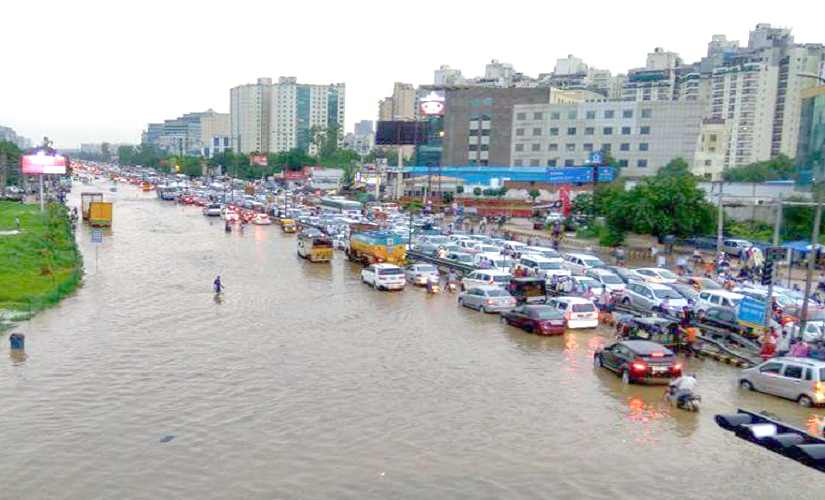
Solutions like permeable concrete fit well with India’s Smart Cities Mission and AMRUT schemes. Sidewalks, parking areas, and low-traffic roads could manage water actively. Such materials support climate resilience goals.
Costs stay a concern. Long-term maintenance needs proof at scale. Still, the idea shifts infrastructure thinking. Concrete can work with nature.
Extreme weather grows more common. Innovations that let pavements help cities manage water gain value. AquiPor’s work highlights one path forward. Indian planners might watch these developments closely as they build cleaner, flood-ready urban spaces.
Reference- AquiPor website, Angel Investors Network, Observer Research Foundation, National Disaster Management, World Economic Forum report