



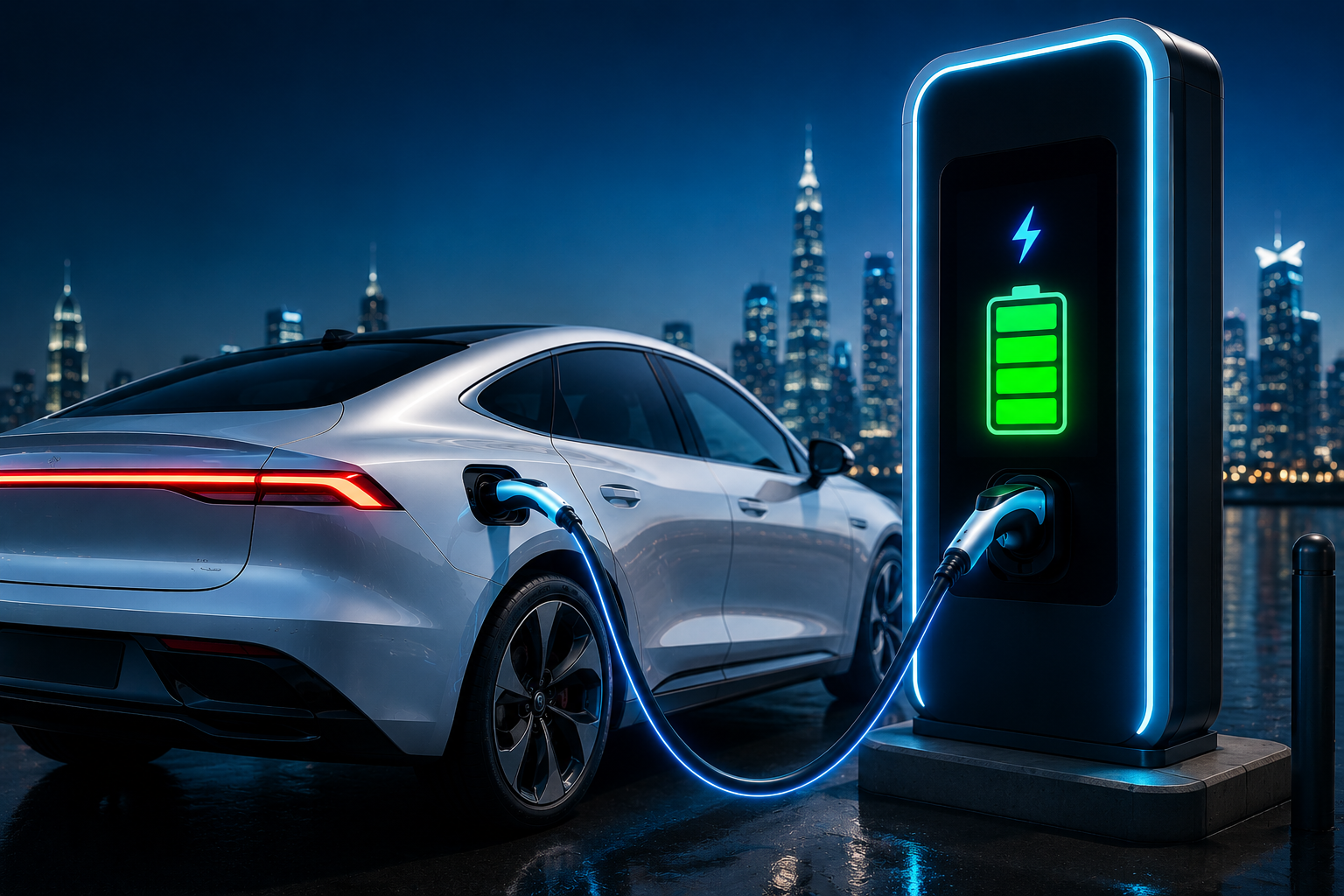
The race to eliminate electric vehicle charging anxiety has entered a new phase. Chinese battery giant CATL has unveiled a battery technology that can charge an electric vehicle from 10% to 98% in just 6 minutes and 27 seconds, bringing EV charging closer than ever to the convenience of refueling a gasoline car.
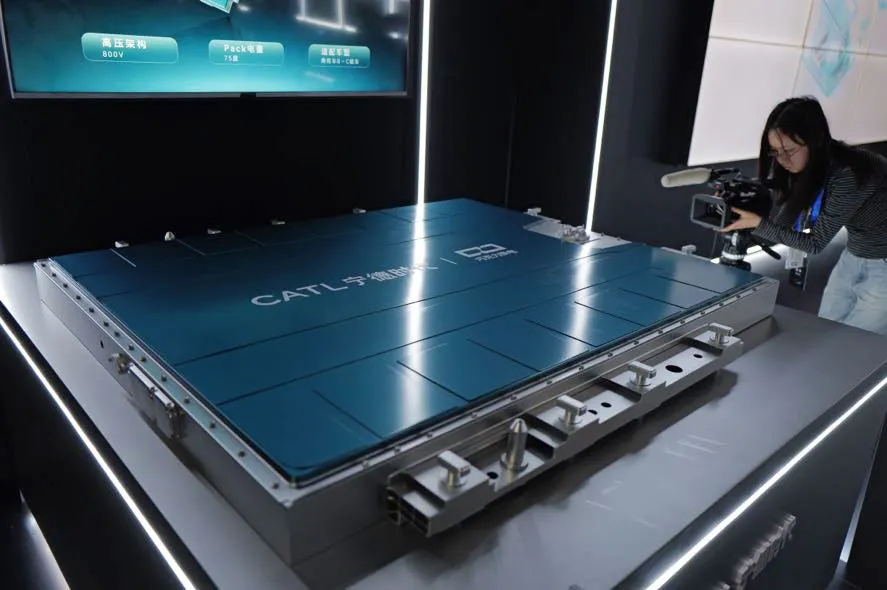
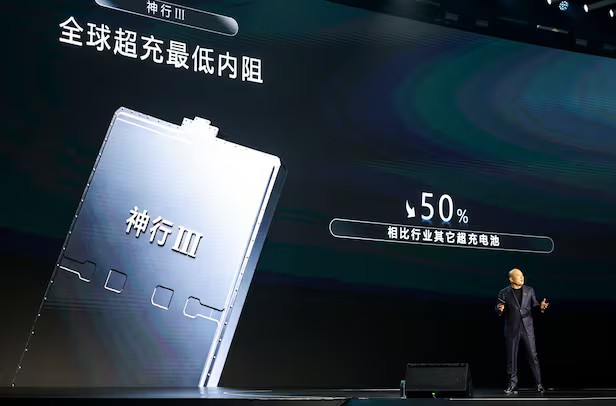
The breakthrough was announced during CATL’s 2026 Technology Day. The company introduced the third-generation Shenxing Superfast Charging Battery, a lithium iron phosphate (LFP) battery designed for ultra-fast charging without compromising safety or durability. According to CATL, the battery can move from 10% to 80% charge in only 3 minutes and 44 seconds. It can also charge from 20% to 98% in around 9 minutes at temperatures as low as -30°C.
This achievement marks a significant improvement over CATL’s previous-generation Shenxing battery. In 2025, the company claimed its second-generation battery could add 520 kilometers of driving range in five minutes and deliver up to 800 kilometers of total range.
Industry experts have long argued that charging time remains one of the biggest barriers to EV adoption. Research on transportation electrification consistently identifies charging delays and range anxiety as key obstacles for consumers considering electric vehicles.
CATL’s latest innovation suggests those concerns may soon fade. The company says the battery retains more than 90% of its capacity after 1,000 charging cycles, addressing fears about degradation caused by repeated high-speed charging.
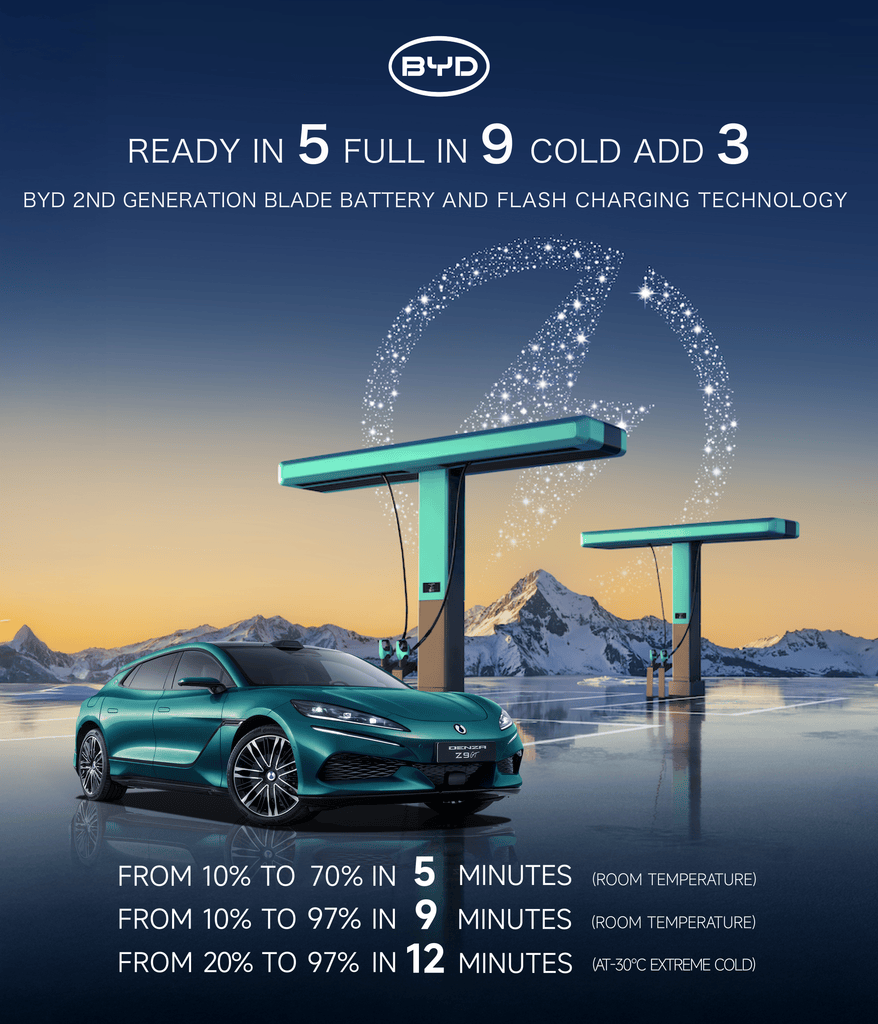
The announcement also intensifies competition among battery manufacturers. Chinese rivals such as BYD, CALB, and EVE Energy are developing similar ultra-fast charging systems. However, CATL’s six-minute benchmark currently represents one of the fastest charging demonstrations reported by a major battery supplier.
Yet technology alone is not enough. Ultra-fast charging requires megawatt-scale charging infrastructure that remains limited outside China. CATL plans to expand charging and battery-swapping networks, with thousands of stations targeted in its domestic market.
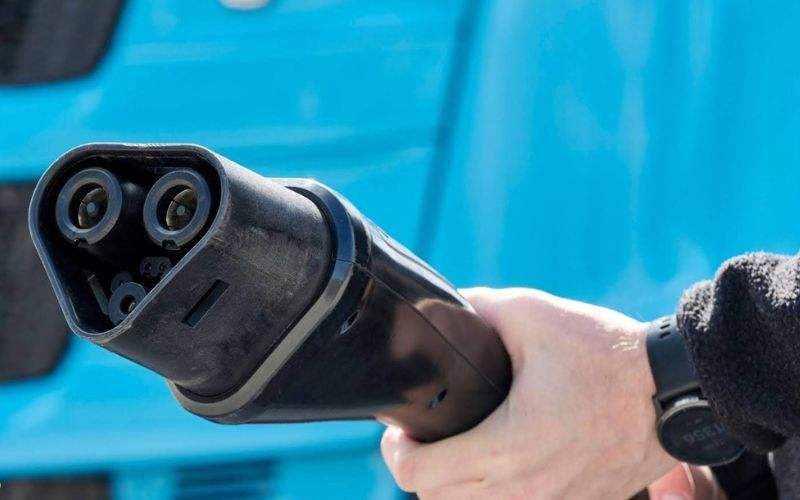
For the global EV industry, the message is clear. If charging times continue to shrink, the final psychological barrier separating electric cars from conventional vehicles may finally disappear. The future of mobility could arrive much faster than expected.
Reference- Eletrek, InsideEVs, Cleantechnica, CATL website, Business Insider