



COP31’s collapse in Antalya has exposed the growing cracks in international climate cooperation. Nearly 200 countries attended the summit, but negotiations ended on November 22, 2026, without an overarching political declaration.
Disagreements over fossil fuels and climate finance proved difficult to resolve. However, the failure of another climate summit does not mean the world has run out of options. The bigger challenge now is turning existing commitments into action.
1. COP32 Must Rebuild Global Trust
The spotlight now moves to Addis Ababa, Ethiopia, which is scheduled to host COP32 in 2027. The next summit must restore confidence between developed and developing economies.
Fossil fuel dependence will remain a difficult issue. Developing countries also need reliable climate finance, access to cleaner technologies and stronger support for adaptation.
Without greater trust, meaningful international cooperation will remain difficult.
2. Climate Finance Must Deliver Real Results
Money remains one of the biggest obstacles to climate action. Developing economies need affordable financing to expand renewable energy, modernize electricity grids and protect vulnerable communities.
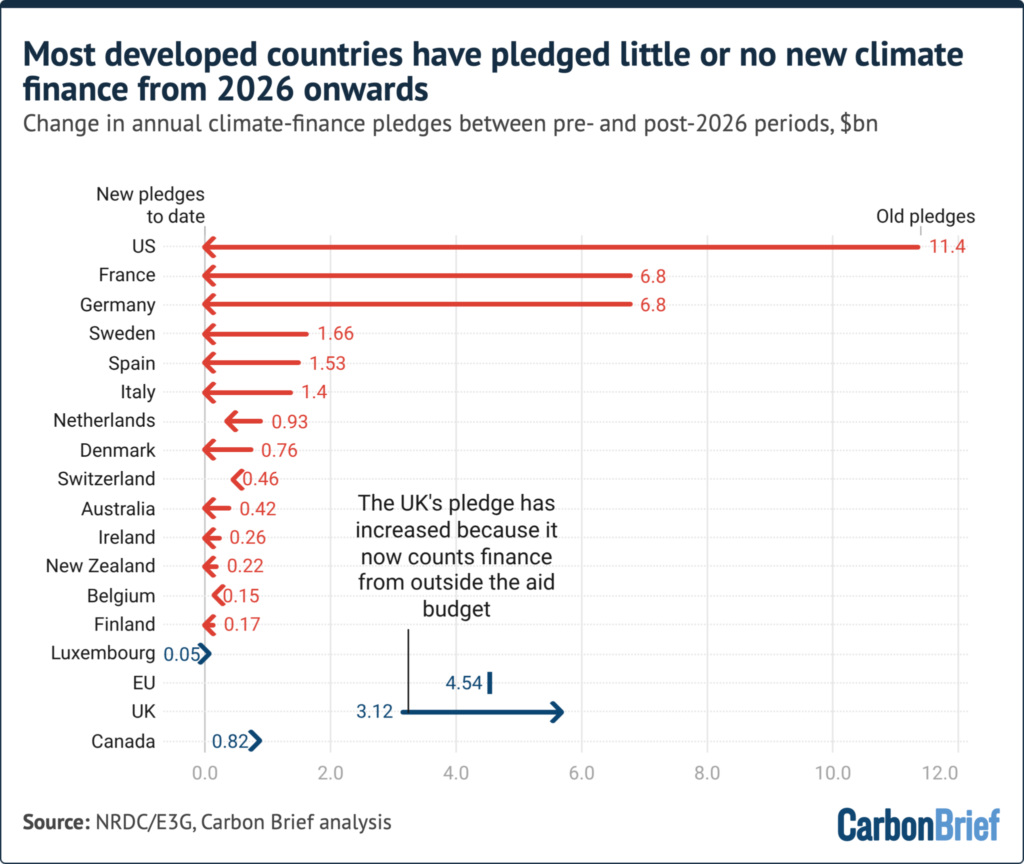
Although COP31 advanced discussions on adaptation finance, announcements alone will not deliver results. Governments and financial institutions must improve access to funding and demonstrate how effectively that money reaches communities.
3. A Just Transition Must Protect Workers
COP31 also agreed to operationalize the just transition mechanism through a phased approach, with its adoption expected at COP32.
This could become particularly important for emerging economies. Millions of livelihoods remain connected to coal, oil and gas industries.
The transition must therefore go beyond replacing fossil fuels with renewable energy. It must also create new employment opportunities, support worker retraining and protect communities from economic disruption.
Affordable energy and regional development must remain part of the conversation.
4. Electrification Could Accelerate Emission Cuts
One encouraging development emerged outside the main negotiating process. Countries representing around half of the global economy supported a target of 35% electrification by 2035. China can be a role model.

According to the International Energy Agency, achieving this target could reduce emissions by at least 8 billion tonnes, even if electricity generation becomes cleaner slowly.
This makes investment in electricity grids, battery storage, electric mobility and industrial electrification increasingly important.
5. The Next Global Climate Assessment Begins
COP31 also launched the second Global Stocktake under the Paris Agreement. This three-stage assessment will examine collective climate progress and identify where countries are falling behind. The process is expected to conclude at COP33 in November 2028.
Its findings could help governments strengthen national climate commitments and address gaps between promises and actual progress.
Implementation Will Define the Next Chapter
COP31 has demonstrated the limitations of climate diplomacy when national interests take priority over collective responsibility. Nevertheless, the global energy transition continues through renewable energy investments, electrification and national climate policies.
As UN Climate Change Executive Secretary Simon Stiell said, “The fight continues. We will never give up.”
COP32 must turn that determination into measurable progress. The world does not need another year of ambitious speeches followed by limited action.
Climate leadership will ultimately be judged not by the promises made at international summits, but by the emissions reduced, investments delivered and communities protected.
Reference- UNFCCC News, Reuters, The Economist, Carbon Brief