



It is hard to imagine life without plastic today. Yet, less than a century ago, plastics were almost absent from daily life. Americans alone generate more than 82 million tons of plastic waste each year from food packaging and containers, showing how deeply plastics shape modern society.
Before plastics, people used natural materials for common needs. Glass, clay, wood, metal, and paper held food and drink. For centuries, clay pottery transported water and goods across regions. Later, glass bottles served soft drinks and water well into the 1970s and 1980s.
Extraordinary plastic growth began after World War II. The United States increased plastic production by roughly 300% during the war, when plastic proved useful for helmets, windows, and parachutes. Soon after, civilian uses exploded. In 1965, the polyethylene plastic bag was invented by a Swedish company. These bags quickly replaced paper and cloth bags worldwide, further entrenching plastic in daily life.
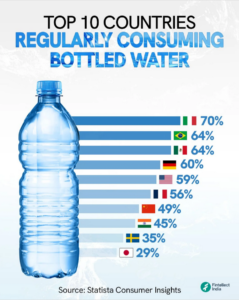
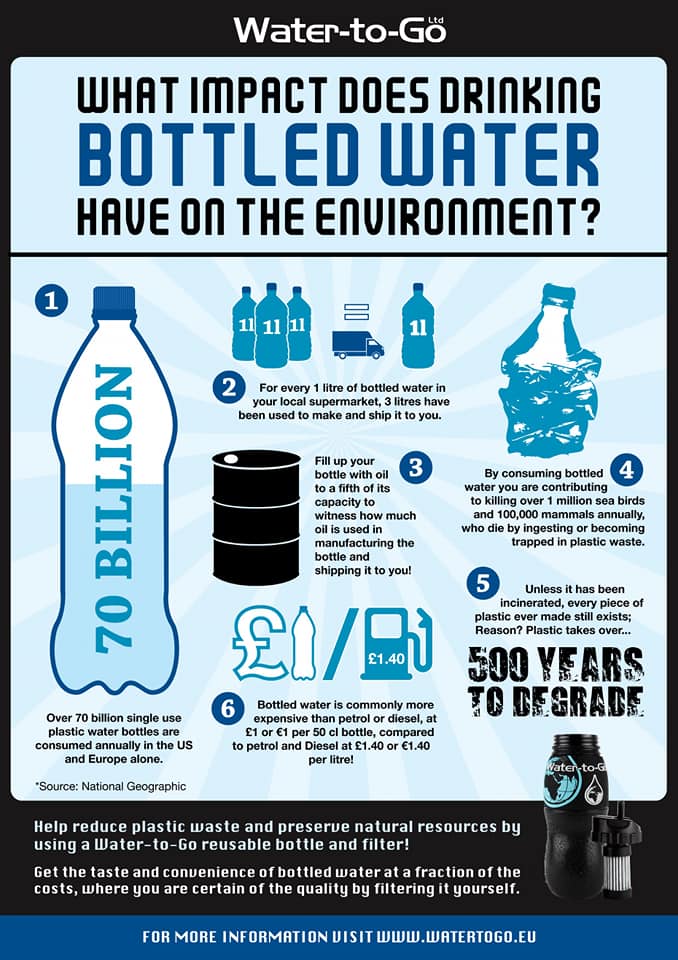
Plastic bottles offer convenience but bring pollution. In 1973, engineers patented PET bottles — lightweight and shatter-resistant — and these rapidly became the standard for water and soft drinks. In 2016, more than 480 billion plastic water bottles were sold worldwide, with consumption growing about 7% per year.
Today’s plastic crisis goes beyond convenience. Studies show that bottled water often contains microplastics, with about 240,000 tiny particles per liter detected in some samples. Packaging now makes up a large share of global plastic waste — about 40% of all plastic pollution — and most of this comes from single-use products.
Yet, humans once managed without plastics. Governments and consumers are now exploring alternatives. These include glass, ceramics, natural fibers like jute and coconut husk, and even new biodegradable materials made from bamboo and plant sugars.
History shows that a plastic-free world once existed. With smart policies and innovation, society may reduce plastic dependence once again.
Reference- EARTHDAY.org, Scientific American, TIME, National Geographic, Rutgers Health and Columbia Universities
