



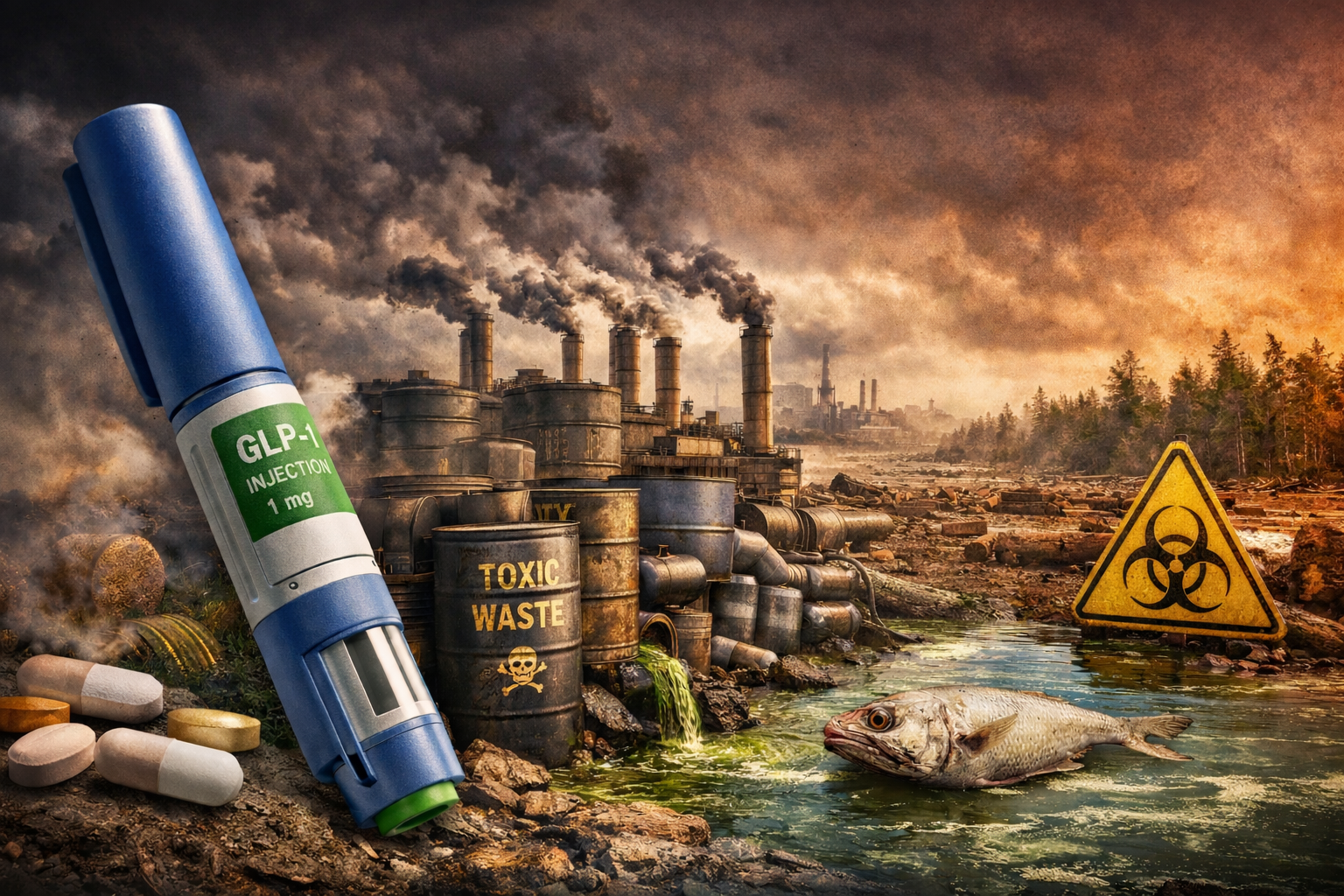
The global surge in weight-loss medicines is reshaping health markets. However, it is also creating a new sustainability challenge. Manufacturing processes behind GLP-1 drugs are producing significant chemical waste, raising concerns among environmental researchers.
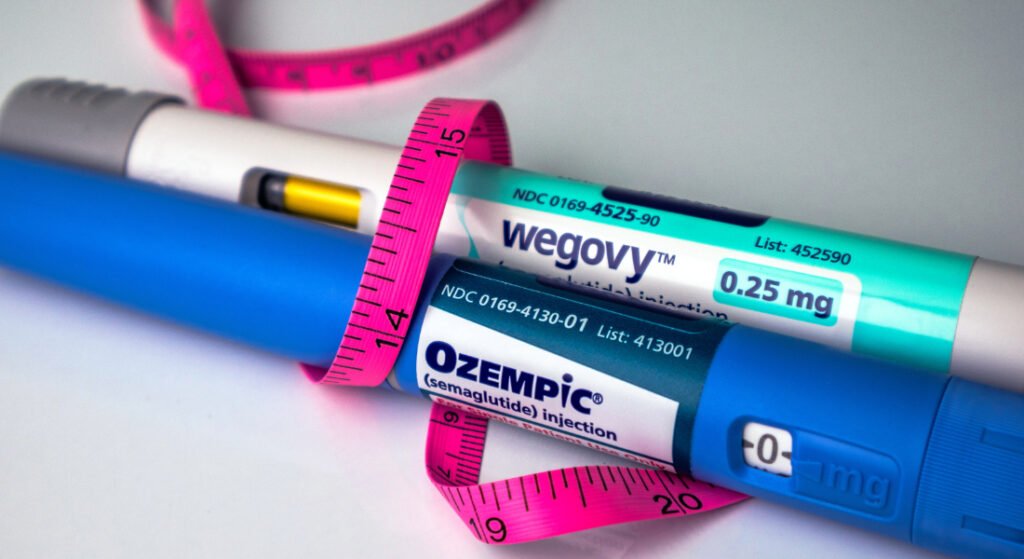
GLP-1 therapies, widely used for obesity and diabetes treatment, rely on peptide manufacturing. This process involves complex chemical synthesis. Large volumes of organic solvents are used. Many of these chemicals do not easily break down in nature. As a result, environmental impacts are increasing alongside demand.
Researchers studying peptide production estimate that manufacturing the active ingredient semaglutide alone generates massive solvent waste each year. This figure reflects only one compound. More than 80 peptide-based medicines are already in commercial use. Demand will rise as lower-cost versions enter the market.
The environmental burden extends beyond waste volume. Traditional peptide synthesis relies on plastic-based resins and chemical activators. Toxic solvents can enter disposal systems if handling is inadequate. Disposal remains expensive because environmental regulations are strict. Meanwhile, pharmaceutical output continues to expand.
Scientists are exploring cleaner manufacturing methods. A new water-based synthesis approach has shown promise in early research trials. Amino acids can be combined in water rather than hazardous solvents. Biodegradable materials may also replace conventional plastic supports. These developments could significantly reduce emissions and chemical contamination if scaled industrially.
The debate highlights a wider lesson for the clean-energy transition. Environmental sustainability is not limited to electricity generation. Pharmaceutical supply chains, chemical production, and industrial manufacturing also shape global carbon and pollution outcomes. Medical innovation is essential, yet sustainability standards must evolve at the same pace.
Policy experts argue that pharmaceutical sustainability reporting may soon become mandatory in several regions. Investors are also beginning to track manufacturing footprints more closely. The pressure for greener production is therefore increasing.
GLP-1 medicines represent a major medical breakthrough. However, scientists have yet to determine their long-term environmental cost. If production technologies shift toward cleaner methods, the industry could prevent a growing pollution problem while maintaining therapeutic access. The lesson is clear. Future health innovation must balance medical impact with environmental responsibility.
Reference- Journal Nature Sustainability, Futurism, NBC