



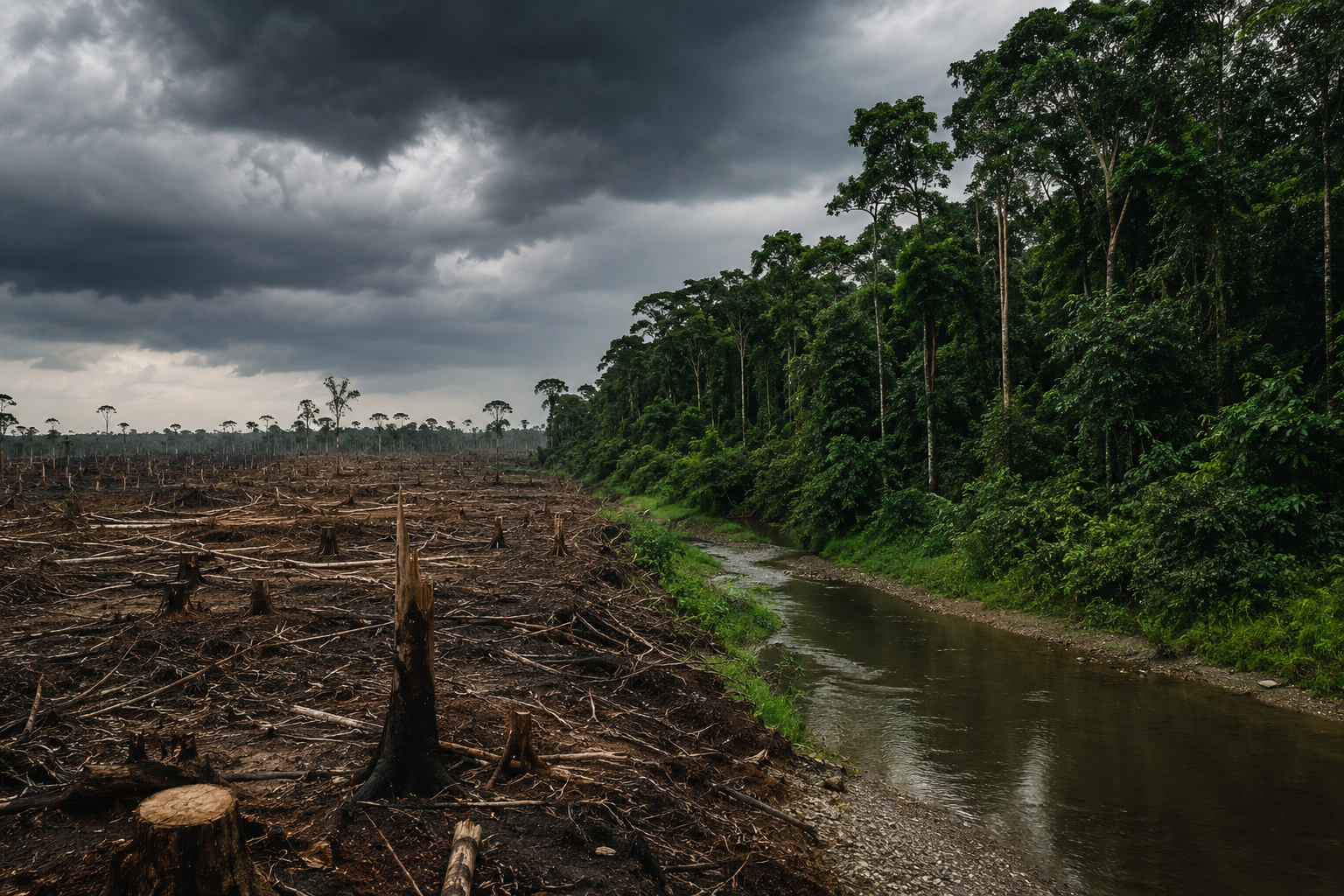
For years, environmental debates have been framed around a simple idea: ecosystems are “breaking down.” From coral bleaching to Amazon rainforest degradation, headlines often suggest that nature is malfunctioning. However, a new essay published by Aeon argues that this popular narrative deserves closer scrutiny. The question is not whether ecosystems are changing, but whether they can truly “fail” in the way machines or human organs do.

Ecologist John Drake challenges the widespread use of terms such as “ecosystem function” and “ecosystem failure.” He notes that forests, wetlands, and coral reefs do not possess an intrinsic purpose. Unlike a heart that pumps blood or an engine that powers a vehicle, ecosystems are dynamic collections of organisms and environmental interactions. They evolve continuously and do not operate according to a predetermined goal.
The debate matters because ecosystem services have become central to environmental policy-making. Governments and institutions increasingly value ecosystems for services such as carbon storage, water purification, flood protection, and crop pollination. The Amazon rainforest, for example, acts as a major carbon sink, although studies show that some regions now emit more carbon than they absorb.

Yet Drake argues that when people describe an ecosystem as “failing,” they are often expressing human concerns rather than identifying a natural malfunction. A coral reef affected by bleaching may no longer support fisheries as effectively. However, calling that a failure reflects societal priorities, not an objective ecological purpose.
That distinction does not weaken the case for conservation. In fact, global figures highlight why restoration remains urgent. According to the United Nations Environment Programme (UNEP), restoring 350 million hectares of degraded ecosystems by 2030 could generate up to US$9 trillion in ecosystem services and remove between 13 and 26 gigatons of greenhouse gases from the atmosphere. The economic benefits are estimated to be more than nine times the investment required.
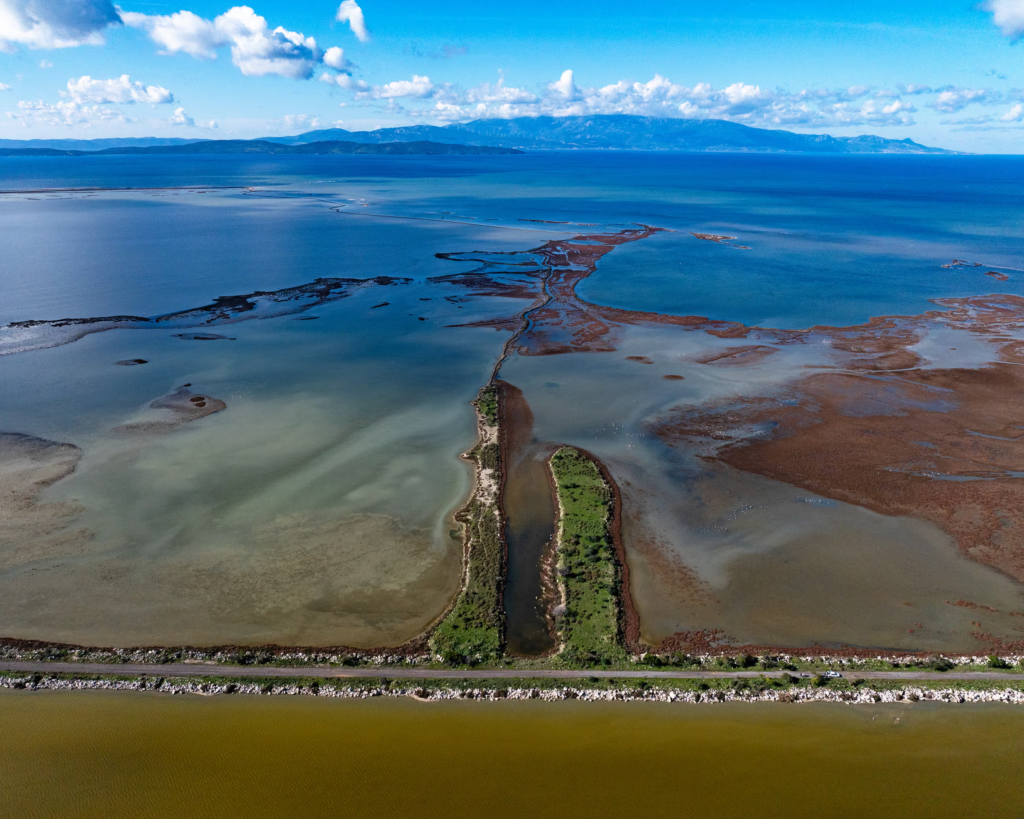
Meanwhile, biodiversity loss continues at an alarming pace. The IPBES assessment warns that around one million species face extinction because of habitat destruction, climate change, pollution, and over exploitation.
The takeaway is clear. Ecosystems may reorganize, transform, or even collapse. However, describing those changes as “failure” can obscure the human values behind environmental decisions. Protecting nature remains essential, but we must recognize that societal choices shape conservation goals rather than nature’s own intentions.
Reference- aeon essay, Vogue, The Guardian, Nature, National Geographic