




Spain invested more than $80 billion in renewable energy, transforming itself into one of Europe’s clean power leaders. Yet an unexpected challenge is now emerging. Solar parks that once attracted eager investors are losing value quickly, and many owners are looking for an early exit. The situation highlights a growing tension within the global energy transition.
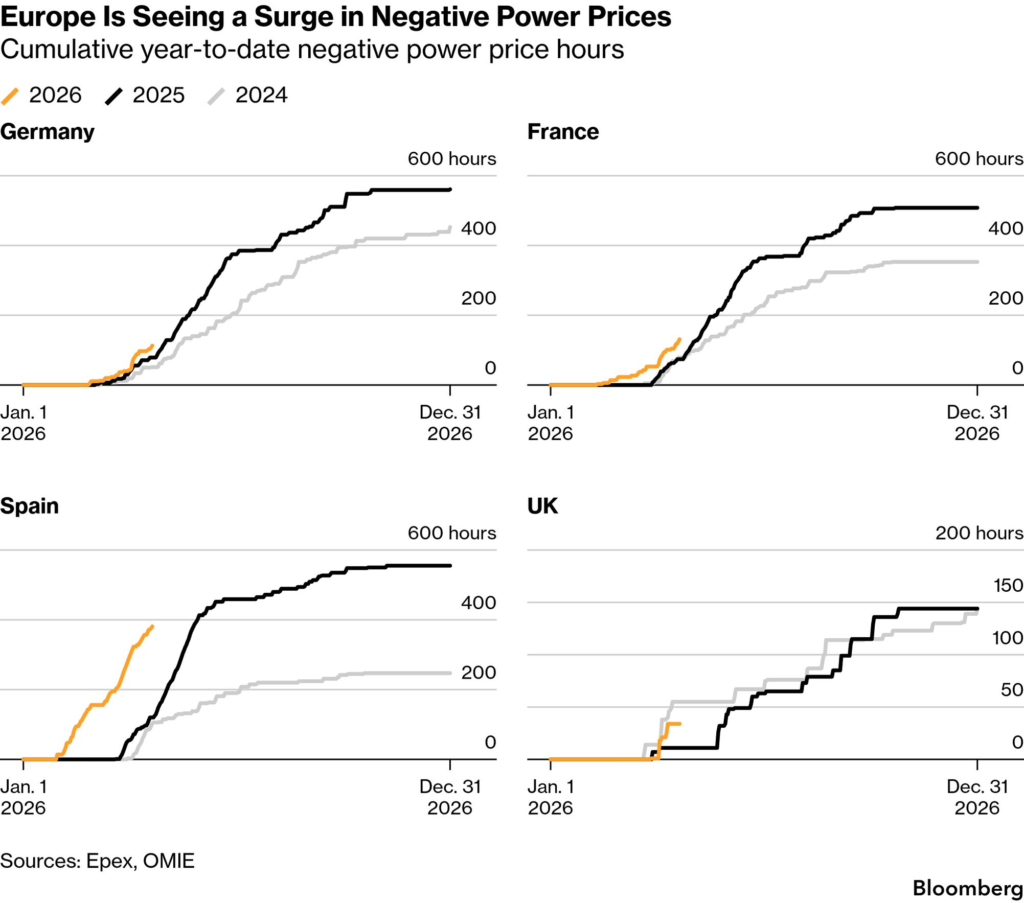
According to Bloomberg, utilities, banks, and investors played a major role in expanding Spain’s solar and wind capacity. However, the surge in electricity generation created a supply glut. On bright, sunny days, wholesale power prices sometimes turn negative, putting pressure on project revenues. As a result, several renewable assets are now being offered at significant discounts.

Daniel Pérez, who leads Spanish utility L’Energètica, captured the mood when he told Bloomberg: “The economics have deteriorated so sharply that investors are trying to exit at steep discounts.” Four solar parks are currently on the market. Meanwhile, short sellers have started paying closer attention to the sector. Grid bottlenecks and inadequate storage infrastructure continue to add to the challenges.
For ordinary households, the story looks very different. Spain now enjoys some of the lowest electricity prices in Europe, bringing clear benefits to consumers. But for venture capital firms that seek rapid and high returns, abundant clean energy has disrupted traditional profit expectations. The very success of renewables is changing the economics that once attracted aggressive investment.
This pattern is not unique to Spain. California has also experienced periods of excess solar generation, leading to negative electricity prices. At the same time, global solar manufacturing faces oversupply, particularly from China, where falling module prices have reshaped market dynamics. Unsurprisingly, venture capital interest in large-scale solar projects has softened in recent years.
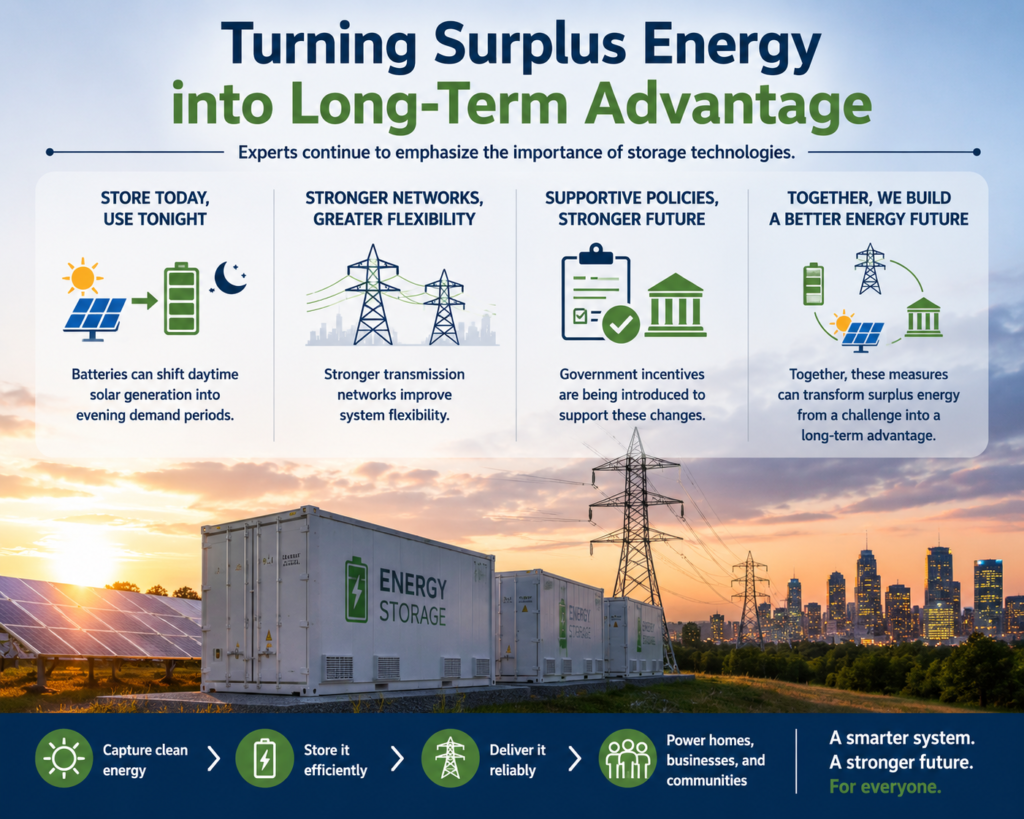
Experts continue to emphasize the importance of storage technologies. Batteries can shift daytime solar generation into evening demand periods, while stronger transmission networks improve system flexibility. Government incentives are also being introduced to support these changes. Together, these measures can transform surplus energy from a challenge into a long-term advantage.
India is paying close attention. The country is rapidly expanding its renewable capacity, and ambitious clean energy targets remain firmly in place. Although oversupply risks cannot be ignored, the opportunities are substantial. Affordable green electricity reduces emissions, generates employment, and improves access to reliable power.
The reality is that venture capital often seeks quick returns, whereas solar infrastructure delivers value over decades. Bridging that gap will require smarter policies, better storage solutions, and investment models that reward patience. Spain’s experience proves that rapid renewable deployment is possible. The lessons now lie in adapting markets to match that success.
Ultimately, the world needs more solar energy, not less. Temporary gluts are signs of progress rather than failure. Markets evolve, innovation follows, and clean energy succeeds when long-term public benefit matters as much as financial gain.
Reference- Bloomberg, Reuters, NBC, Futurism