



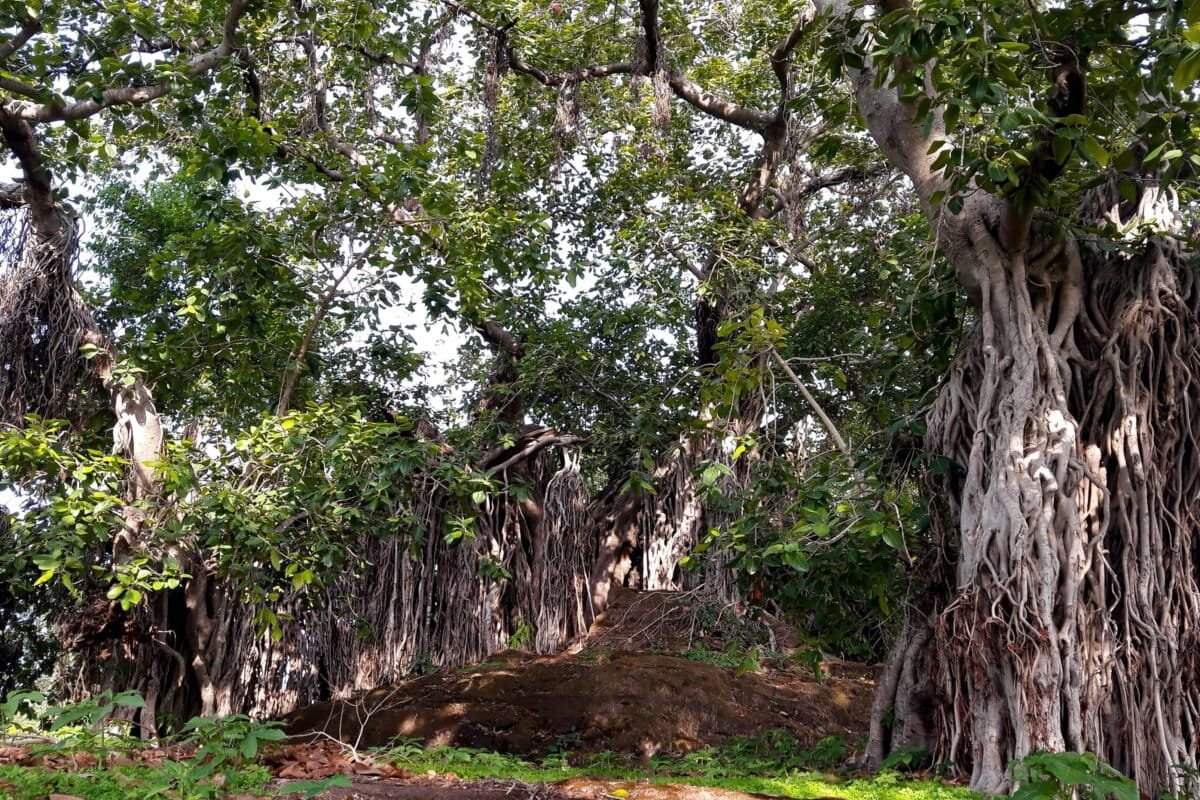
People often call trees the lungs of the planet. They absorb carbon dioxide, support biodiversity, and protect communities from climate-related disasters. Yet many tree species are disappearing quietly. A recent Earth Day report highlights five endangered trees from around the world whose decline offers important lessons for India.
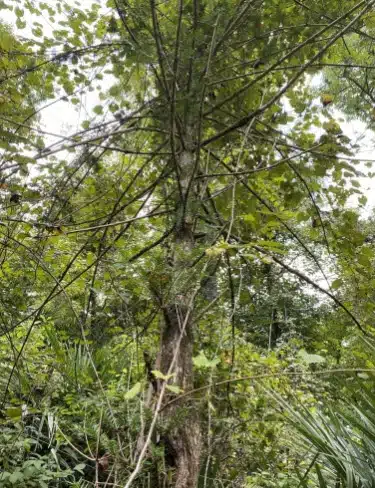
The Florida Torreya is one such example. Once abundant in the southeastern United States, its population has declined by nearly 98.5% because of disease. Today, only about 2,000 trees survive. Scientists note that the species has low flammability, helping reduce wildfire intensity in its native habitat. Its loss demonstrates how the disappearance of a single tree species can weaken ecosystem resilience.
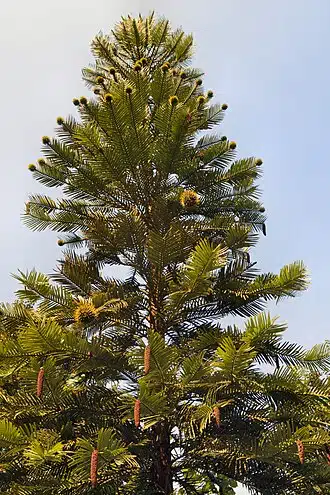
Another remarkable species is the Wollemi Pine of Australia. Often described as a “living fossil,” only 91 mature individuals remain in the wild. Discovered in 1994, the tree dates back to the era of dinosaurs. However, climate change, invasive diseases, and increasingly severe wildfires now threaten its survival. Similar pressures are affecting several biodiversity-rich regions across India.
China’s Acer Yangbiense offers another warning. Researchers successfully sequenced its entire genome in 2019, providing valuable scientific insights into plant adaptation and evolution. Despite this breakthrough, poor reproductive success has left only a few hundred individuals in existence. Such challenges mirror conservation concerns in India’s Himalayan ecosystems, where several native tree species face habitat fragmentation.
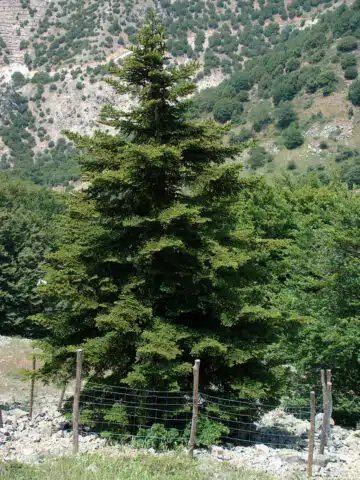
The Sicilian Fir is equally vulnerable. Only around 30 mature trees survive in the wild. Although the species retains significant genetic diversity, habitat destruction continues to threaten its future. Urban expansion and infrastructure development remain major drivers of forest loss globally.
The situation is equally concerning in India. According to global estimates, approximately 420 million hectares of forest have been lost worldwide due to human activities. In India, experts estimate that between 50 and 60 million trees are cut down annually. Urbanization, infrastructure projects, and agricultural expansion continue to exert pressure on natural forests.
Despite their importance, plants receive only about 6.6% of global conservation funding, according to the Earth Day analysis of 14,600 conservation projects. Wildlife often receives greater attention, even though trees provide critical ecosystem services. A mature tree can absorb nearly 48 pounds of carbon dioxide each year while improving air quality and supporting wildlife habitats.
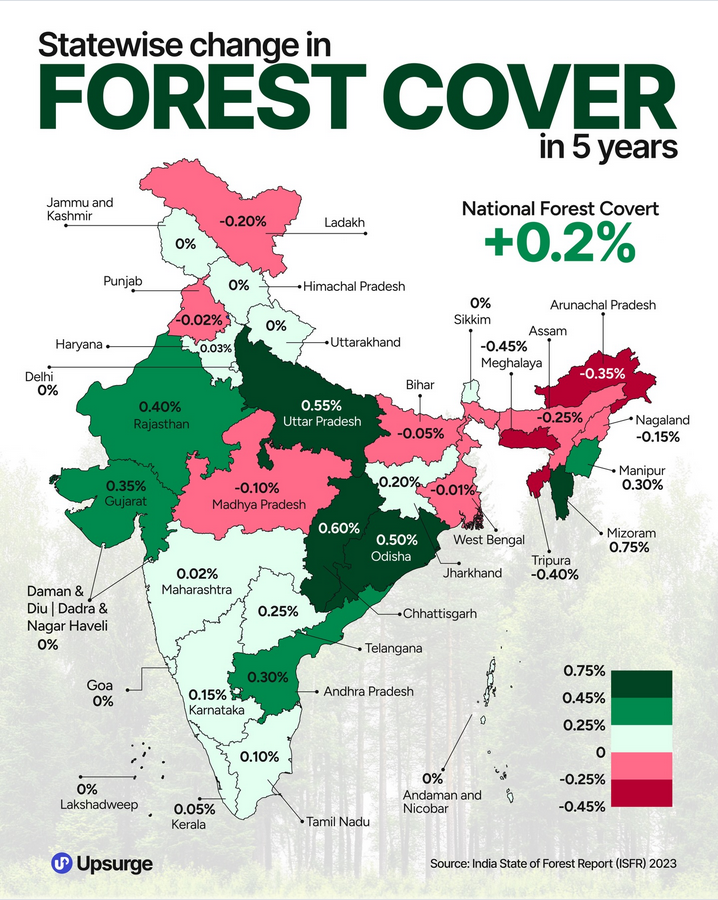
India’s forests cover roughly one-fourth of the country’s land area and support the livelihoods of nearly 275 million people. The Sundarbans mangrove ecosystem alone absorbs an estimated 5.5 million tonnes of carbon dioxide annually. While initiatives such as the Green India Mission aim to restore degraded landscapes, experts argue that greater emphasis must be placed on restoring native species and improving forest quality rather than simply increasing tree numbers.
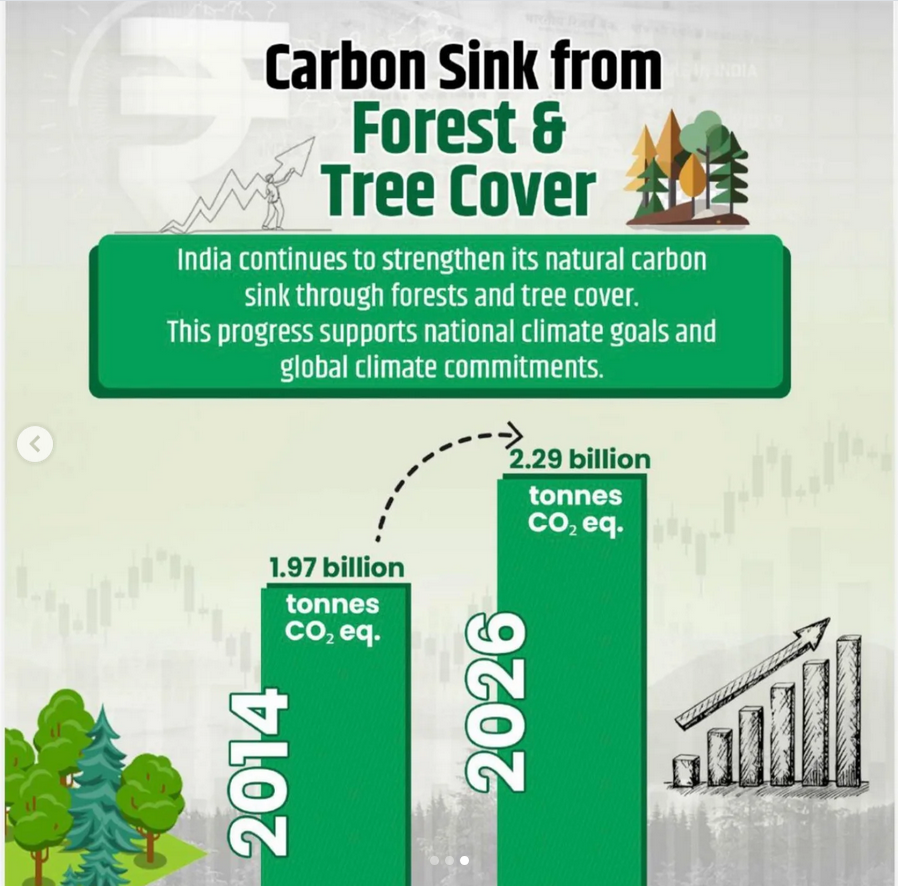
Protecting endangered trees is not just about conservation. It is about safeguarding climate stability, water security, biodiversity, and community livelihoods. As India works toward its goal of creating an additional carbon sink of 2.5 to 3 billion tonnes of CO₂ by 2030, preserving and restoring native forests will be essential.
The message is clear: plant native species, support reforestation efforts, and promote sustainable land-use policies. Every tree matters. The decisions made today will determine the environmental legacy left for future generations.
Reference- Down To Earth, Earth Day Network, India State of Forest Report (ISFR), National Geographic